

Petrol Price: What NNPC’s 30-Day Deal Means for Nigerians

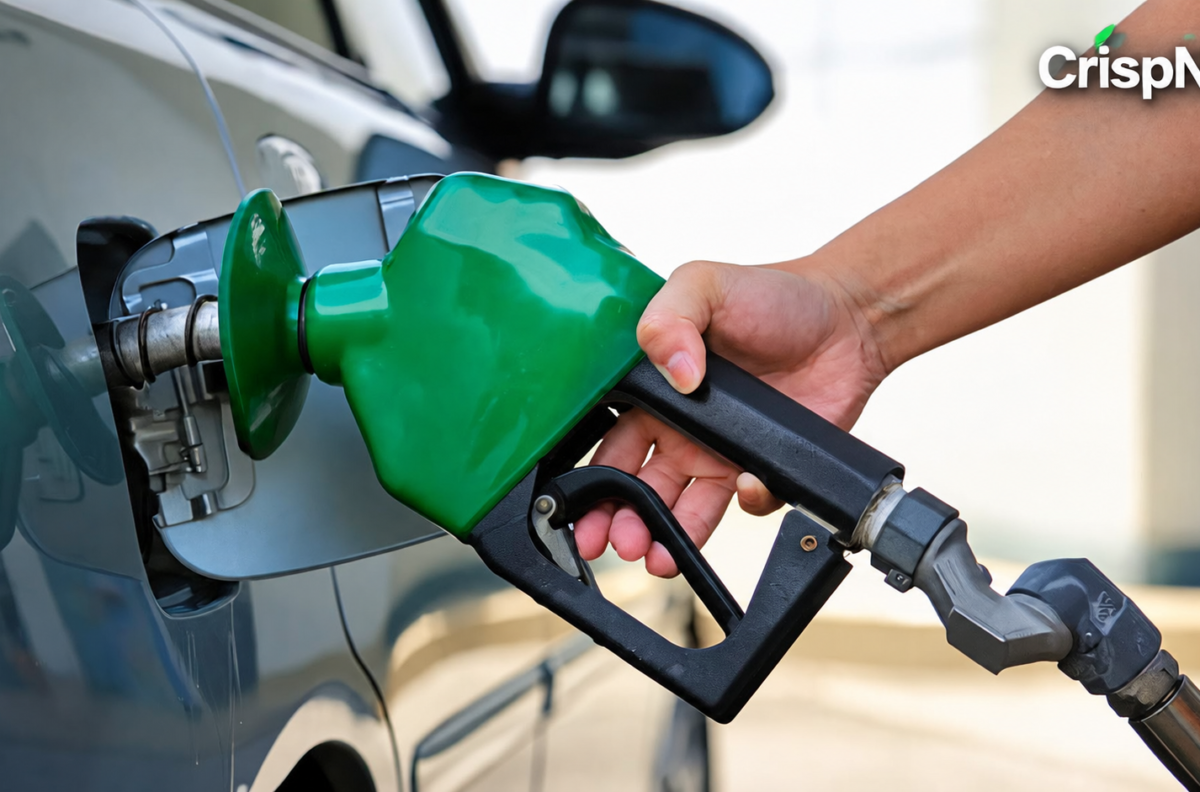
The Nigerian National Petroleum Company (NNPC) Limited has agreed to sell petrol without adding its retail profit margin for 30 days. The Federal Government says the move will help Nigerians cope with rising fuel prices.
The Presidency announced the decision on Thursday, October 8, 2026. It said the measure forms part of a broader plan to reduce the impact of rising global oil prices on households and businesses.
Bayo Onanuga, the presidential spokesperson, explained that NNPC Retail would sell petrol at cost during the period. This means the company will forgo the profit it normally adds when selling the product.
The government has also proposed a ceiling of N1,350 per litre on petrol’s landing cost. However, the proposal remains subject to negotiations.
The measures have raised questions about petrol prices, fuel subsidy and the relief Nigerians can expect. Here is what to know about the arrangement and how it may affect consumers.
What does NNPC selling petrol at cost mean?
Selling petrol at cost means NNPC will not add its usual retail profit margin to the product’s cost.
For example, if petrol costs N1,300 per litre to obtain, NNPC would sell it at that price under the arrangement described by the Presidency.
However, this does not mean petrol will automatically sell for N1,300 per litre across Nigeria. The actual cost of obtaining the product may vary.
Landing cost refers to the cost of bringing imported petrol into the country. International oil prices, exchange rates and other expenses can affect this figure.
NNPC’s decision focuses on the profit it adds at the retail stage. It does not remove every expense involved in supplying petrol.
As a result, the arrangement may prevent further price increases linked to NNPC’s retail margin. However, it may not produce a major price reduction if the cost of obtaining petrol remains high.
The agreement will also last for 30 days. Nigerians should therefore not assume that the company will continue selling petrol this way after the period ends.
Who will benefit from the 30-day petrol price deal?
The Federal Government says the measure will help cushion the effects of rising fuel prices on Nigerians.
Motorists, transport operators and businesses that depend on petrol could benefit if the arrangement reduces their expenses.
Petrol prices affect more than the cost of filling a vehicle’s tank. They also influence transport fares and the cost of moving food and other goods.
For example, commercial drivers may increase fares when they spend more money on fuel. Traders may also raise prices to cover the cost of transporting their goods.
These increases can make daily life more expensive for households.
The government hopes NNPC’s decision will ease some of this pressure. However, the actual benefits will depend on the price NNPC charges and how other costs change.
The Presidency has also encouraged other petrol marketers to consider similar measures. However, it has not announced a general requirement for every filling station to sell petrol at cost.
This means customers may still find different prices at different stations.
Will petrol prices fall across Nigeria?
NNPC’s decision does not guarantee an immediate reduction in petrol prices nationwide.
The company will forgo its retail profit margin for 30 days. However, the cost of obtaining petrol will still influence the final price.
Consider this example. If NNPC obtains petrol at N1,300 per litre, selling it at cost would still mean charging N1,300 per litre.
The arrangement would prevent the company from adding its usual retail profit margin. It would not automatically make the underlying product cheaper.
Other marketers may also charge different prices because of their supply arrangements and operating expenses.
For Nigerians, the bigger question is whether the measure will reduce transport fares and the cost of everyday goods.
If petrol prices remain high, transport operators may continue to face heavy expenses. That could limit the relief consumers receive.
The arrangement may therefore offer some support without delivering a dramatic fall in the cost of living.
What is the proposed N1,350 petrol landing-cost ceiling?
The Federal Government has also proposed a ceiling of N1,350 per litre on petrol’s landing or ex-gantry cost.
The proposal aims to reduce sudden price increases when global oil prices rise.
Under the proposed arrangement, refiners and importers would bear costs above the agreed ceiling when supply costs exceed that level. They could recover the difference later when market conditions improve.
For example, if the cost of supplying petrol rises above the agreed limit, the arrangement could prevent the entire increase from immediately reaching consumers.
However, the proposed ceiling does not mean filling stations must sell petrol at N1,350 per litre.
Landing cost and pump price are different. The pump price may include other expenses incurred before petrol reaches consumers.
The government has said it wants to review the proposed ceiling monthly and publish the relevant figures.
However, the arrangement still requires agreement on its terms and implementation.
Until the government confirms the final details, Nigerians should treat the N1,350 figure as a proposal rather than a guaranteed petrol price.
Does the NNPC petrol deal mean fuel subsidy has returned?
The Presidency has rejected suggestions that the new arrangement amounts to a return to fuel subsidy.
President Bola Tinubu announced the removal of the petrol subsidy on May 29, 2023. Since then, petrol prices have become more exposed to changes in supply costs and market conditions.
The government says NNPC’s decision is different from the former subsidy system.
Under the new arrangement, NNPC will give up its retail profit margin for 30 days. The government says it is not restoring the previous system of subsidised petrol sales.
The distinction matters because the government wants to provide temporary relief without reversing its broader economic reforms.
The Presidency has also described the proposed landing-cost ceiling as a price-smoothing measure rather than a subsidy.
However, the practical effect will depend on how the government implements the proposal and how much of the cost increases it can prevent from reaching consumers.
For now, the government maintains that the new measures do not represent a return to the former subsidy regime.
What other measures has the government announced?
The Federal Government has outlined other plans to reduce the pressure of rising fuel prices on households and businesses.
One proposal involves forward sales of crude oil to domestic refineries. The government expects this approach to support local refining and reduce exposure to some global market pressures.
It also wants to expand the use of compressed natural gas (CNG) as an alternative to petrol.
The government says CNG can be significantly cheaper than petrol. However, actual savings will depend on fuel availability, conversion costs and vehicle operating expenses.
Transport operators could benefit from lower fuel costs if they switch to CNG. Passengers may also benefit if operators reduce fares.
The government has also discussed additional support for vulnerable households and small businesses.
These measures include increased funding for cash transfers and subsidised credit for eligible consumers and businesses.
Another proposal involves an excess-profit tax targeting operators the government believes are taking undue advantage of consumers across the energy sector.
The government says revenue from such a tax could support transport assistance and vouchers for vulnerable urban workers.
However, Nigerians will need further details to understand how these proposals will work and when they will take effect.
What happens after the 30-day petrol price deal?
The 30-day limit is one of the most important parts of the announcement.
The Presidency has confirmed that NNPC Retail will forgo its profit margin for the period. However, the announcement does not establish that the arrangement will continue automatically after the 30 days.
The outcome will depend partly on global oil prices, exchange rates and the cost of supplying petrol.
If these costs remain high, removing NNPC’s retail profit margin may provide only limited relief.
The proposed landing-cost ceiling could offer additional protection against sudden price increases if the government reaches an agreement with the relevant operators.
However, the final terms and implementation will determine how effective the proposal becomes.
For Nigerians, the key test is whether these measures will reduce petrol costs, transport fares and the prices of essential goods.
The NNPC deal offers temporary relief, but its impact will depend on how the company implements the arrangement and what happens when the 30 days end.