

Peter Obi demands urgent wage review as inflation crushes Nigerians

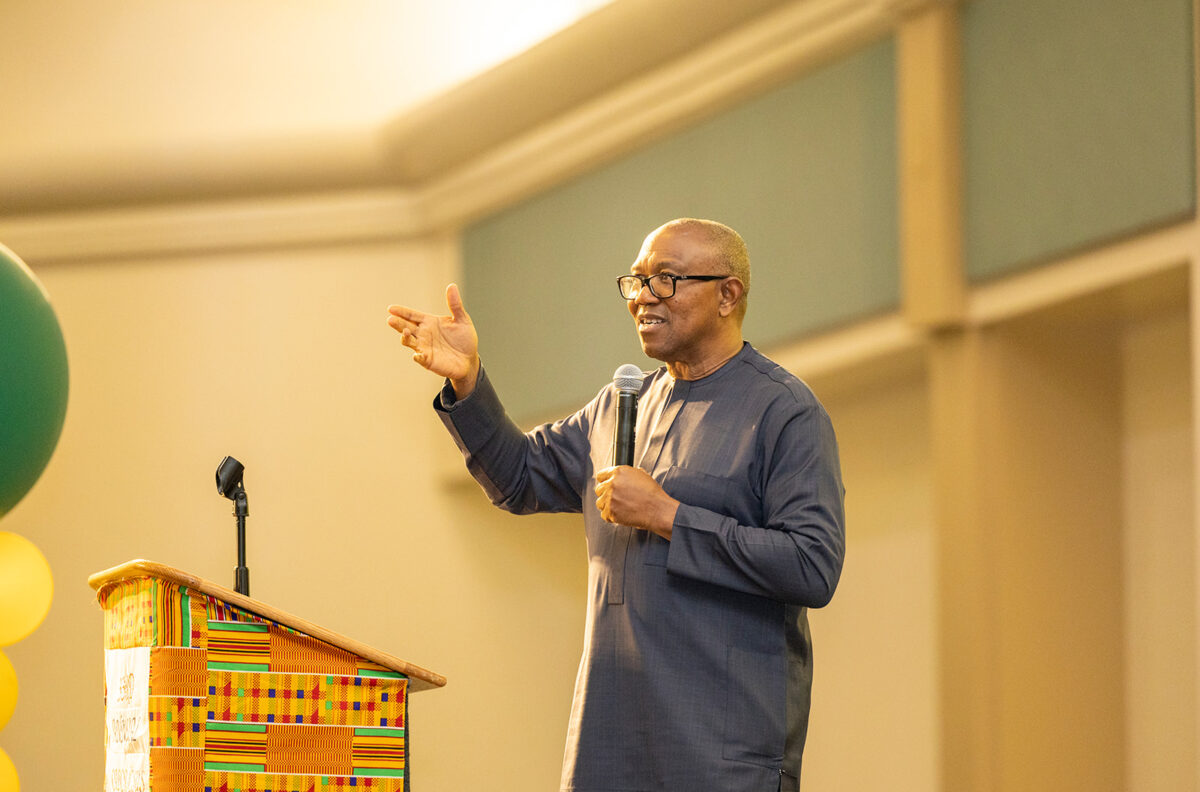
Peter Obi calls for urgent wage review in Nigeria
Former presidential candidate Peter Obi has called for an immediate wage review and sweeping economic reforms, warning that Nigeria’s worsening economic conditions are rapidly eroding the value of workers’ earnings.
In a Workers’ Day message, Obi highlighted the growing disconnect between wages and living costs, stressing that millions of Nigerians are struggling to survive despite being actively employed. His remarks come at a time when inflation, rising food prices, and transportation costs continue to squeeze household incomes nationwide.
‘Workers Are the Backbone of the Nation’ — Obi
Obi described Nigerian workers as the foundation of the country’s economy, acknowledging their contributions across sectors including education, healthcare, agriculture, and security.
According to him, workers continue to sustain families, communities, and institutions despite facing harsh economic realities. He emphasised that without a productive and fairly compensated workforce, national development remains unattainable.
The former Anambra governor stated that any nation that neglects its workforce ultimately undermines its own growth, reinforcing the need for urgent intervention.
Minimum Wage No Longer Sustainable in Today’s Economy
A key concern raised by Obi is the declining value of Nigeria’s minimum wage, which he argued can no longer guarantee even a basic standard of living.
He pointed to inflation and rising cost of living as major factors eroding workers’ purchasing power. Essential expenses such as food, transportation, and housing have surged significantly, leaving many workers financially strained.
Obi warned that the current wage structure is outdated and disconnected from economic realities, making it increasingly difficult for workers to meet basic needs.
READ ALSO
Is Peter Obi rewriting the Abacha era? Why his comment has triggered a political storm
Call for Comprehensive Economic Reforms
Beyond wage adjustments, Obi advocated for broad economic reforms aimed at stabilizing the economy and improving living standards.
He stressed the importance of investing in human capital development, noting that a nation’s progress depends heavily on the health, productivity, and well-being of its workforce.
According to him, reforms should focus on:
- Strengthening economic policies
- Reducing inflationary pressures
- Improving job opportunities
- Enhancing productivity across sectors
Obi maintained that empowering workers is directly linked to national prosperity, adding that economic policies must prioritize people-centered growth.
Workers Urged to Participate in Governance
In addition to economic recommendations, Obi encouraged workers to take an active role in shaping governance through democratic participation.
He urged citizens to support leadership based on competence, credibility, and compassion, emphasizing that sustainable change requires collective action.
According to him, Nigerians must demand accountability and advocate for policies that promote fairness, justice, and respect for labour.
A Call for a Fairer and More Equitable Nigeria
Obi concluded his message with a strong appeal for a fairer society where workers are valued and rewarded appropriately.
He reiterated that a productive nation must be built on justice and equity, warning that continued neglect of workers’ welfare could deepen economic and social challenges.
His call aligns with ongoing national conversations about minimum wage increases and labour reforms, positioning the issue as a critical priority for policymakers.
FAQ
1. Why is Peter Obi calling for a wage review in Nigeria?
Peter Obi is advocating for a wage review because inflation and rising living costs have significantly reduced the value of workers’ salaries, making it difficult for many Nigerians to afford basic necessities.
2. What did Peter Obi say about Nigeria’s minimum wage?
He stated that the current minimum wage is no longer sufficient to guarantee a decent standard of living due to increasing costs of food, transport, and housing.
3. How does inflation affect Nigerian workers?
Inflation reduces purchasing power, meaning workers can buy less with the same salary. This leads to financial strain even for employed individuals.
4. What economic reforms did Peter Obi propose?
Obi called for broad economic reforms, including policies to reduce inflation, improve productivity, create jobs, and invest in human capital.
5. What is the current minimum wage in Nigeria?
As of recent policy frameworks, Nigeria’s minimum wage remains widely debated, with calls for adjustments to reflect current economic realities.
6. How can wage increases impact Nigeria’s economy?
A wage increase can boost consumer spending and improve living standards, but must be balanced with economic stability to avoid further inflation.
7. What role do workers play in national development?
Workers are critical to economic growth as they drive productivity across sectors, from agriculture to technology and public services.
8. Did Peter Obi suggest political action for workers?
Yes, he encouraged workers to participate actively in governance, supporting leaders who prioritize fairness, competence, and economic stability.
9. Is Nigeria planning to increase minimum wage soon?
While discussions are ongoing, no final nationwide adjustment has been confirmed, though pressure from stakeholders continues to grow.
10. Why is Workers’ Day significant for this message?
Workers’ Day provides a platform to highlight labour issues, making it an ideal moment for Obi to address wage concerns and economic challenges.