

Olu Jacobs: 10 things many don’t know about late Nollywood legend

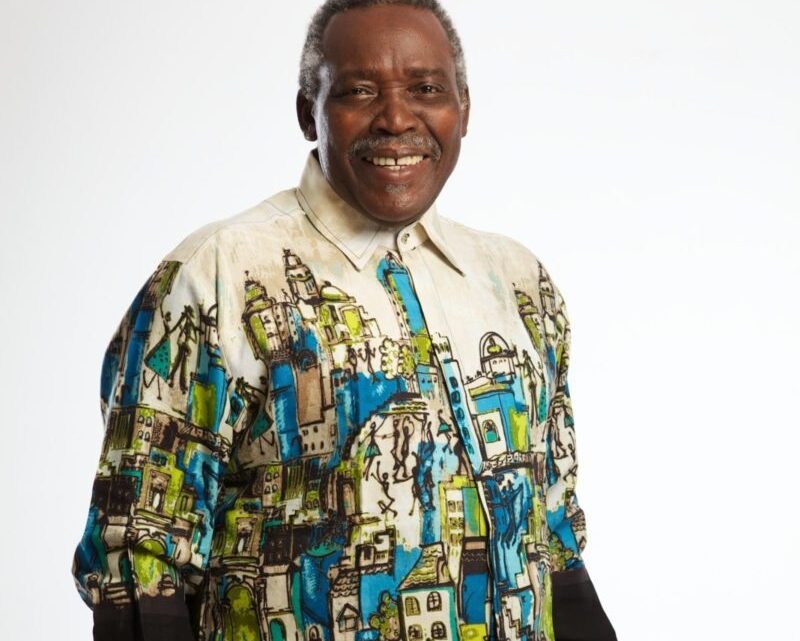
The death of veteran Nigerian actor Olu Jacobs at 84 has brought renewed attention to a career that stretched far beyond Nollywood.
For many Nigerians, Jacobs was the commanding voice and familiar face who played kings, chiefs, fathers and other authoritative characters in countless films.
But his career began long before Nollywood became a global name.
Here are 10 things many people may not know about the late actor.
1. He was born in Kano
Olu Jacobs was born Oludotun Baiyewu Jacobs on July 11, 1942, in Kano.
Although he was born in northern Nigeria, he had roots in the Egba Alake community of Abeokuta, Ogun State.
His early years in Kano exposed him to drama and other performing arts activities, which later influenced his decision to pursue acting professionally.
2. Hubert Ogunde influenced his decision to become an actor
Jacobs’ interest in acting was strengthened after he watched a performance by Hubert Ogunde, one of Nigeria’s pioneering theatre practitioners.
The experience reportedly helped convince the young Jacobs that acting could become more than an interest and could instead become his profession.
Years later, he would become one of the most respected actors in Nigeria.
3. He trained at RADA in London
Before becoming a Nollywood star, Jacobs travelled to Britain to study acting.
He trained at the Royal Academy of Dramatic Art (RADA) in London, one of Britain’s best-known institutions for dramatic arts.
His formal training became an important foundation for the stage and screen career that followed.
4. He was already an international actor before Nollywood
Jacobs’ acting career was not built entirely in Nigeria.
During the 1970s, he appeared in British television productions including The Goodies, Till Death Us Do Part, Barlow at Large, The Tomorrow People and The Professionals.
He also performed in British theatres before appearing in international films.
This meant Jacobs had established himself professionally before the Nigerian home-video industry evolved into what became known as Nollywood.
5. He appeared in Hollywood and international productions
Jacobs’ film credits included The Dogs of War in 1980, Baby: Secret of the Lost Legend in 1985 and Pirates, directed by Roman Polanski, in 1986.
His international work is one of the lesser-known aspects of his career among audiences who primarily knew him from Nigerian films.
6. He became one of Nollywood’s most recognisable faces
When Nigerian cinema and the home-video industry expanded, Jacobs became one of its most familiar performers.
He appeared in hundreds of productions and became particularly associated with roles as kings, chiefs, traditional rulers and patriarchs.
His deep voice and commanding screen presence made him instantly recognisable to audiences.
For many viewers, seeing Jacobs in a film often meant that his character would carry significant authority within the story.
7. He won one of Africa’s major acting awards
Jacobs’ career was recognised with several major awards.
In 2007, he won the Africa Movie Academy Award for Best Actor in a Leading Role.
He also received the Industry Merit Award for outstanding achievement in acting at the 2013 Africa Magic Viewers’ Choice Awards.
In 2016, he received the MAA Lifetime Achievement Award.
These honours reflected his contribution to African cinema beyond his popularity with Nigerian audiences.
8. He received a national honour
Jacobs was also recognised by the Nigerian government.
In 2011, he was conferred with the national honour of Member of the Order of the Federal Republic (MFR).
The honour recognised his contribution to the Nigerian arts and entertainment industry.
9. His work extended beyond acting
Jacobs was not only an actor.
Together with his wife, veteran actress Joke Silva, he was associated with the Lufodo Group, which has interests in the creative industry.
The couple also established the Lufodo Academy of Performing Arts, contributing to the training of people interested in theatre and other performing arts.
His influence therefore extended from appearing in films to helping develop Nigeria’s wider creative industry.
10. His career spanned more than five decades
Perhaps the most remarkable thing about Jacobs’ career was its longevity.
He began professionally in British theatre and television before Nollywood had become the major Nigerian film industry it is today.
He then became one of the veteran performers associated with the growth of Nigerian cinema and television.
His career connected different generations of audiences and performers, taking him from the British stage to international cinema and eventually to the heart of Nollywood.
Olu Jacobs died on September 16, 2026, at the age of 84.
For an industry that changed dramatically during his lifetime, Jacobs remained one of the familiar figures who helped bridge its different eras.