

Nigeria’s 74 Special Seats for Women: What Bamidele’s Plan Would Change


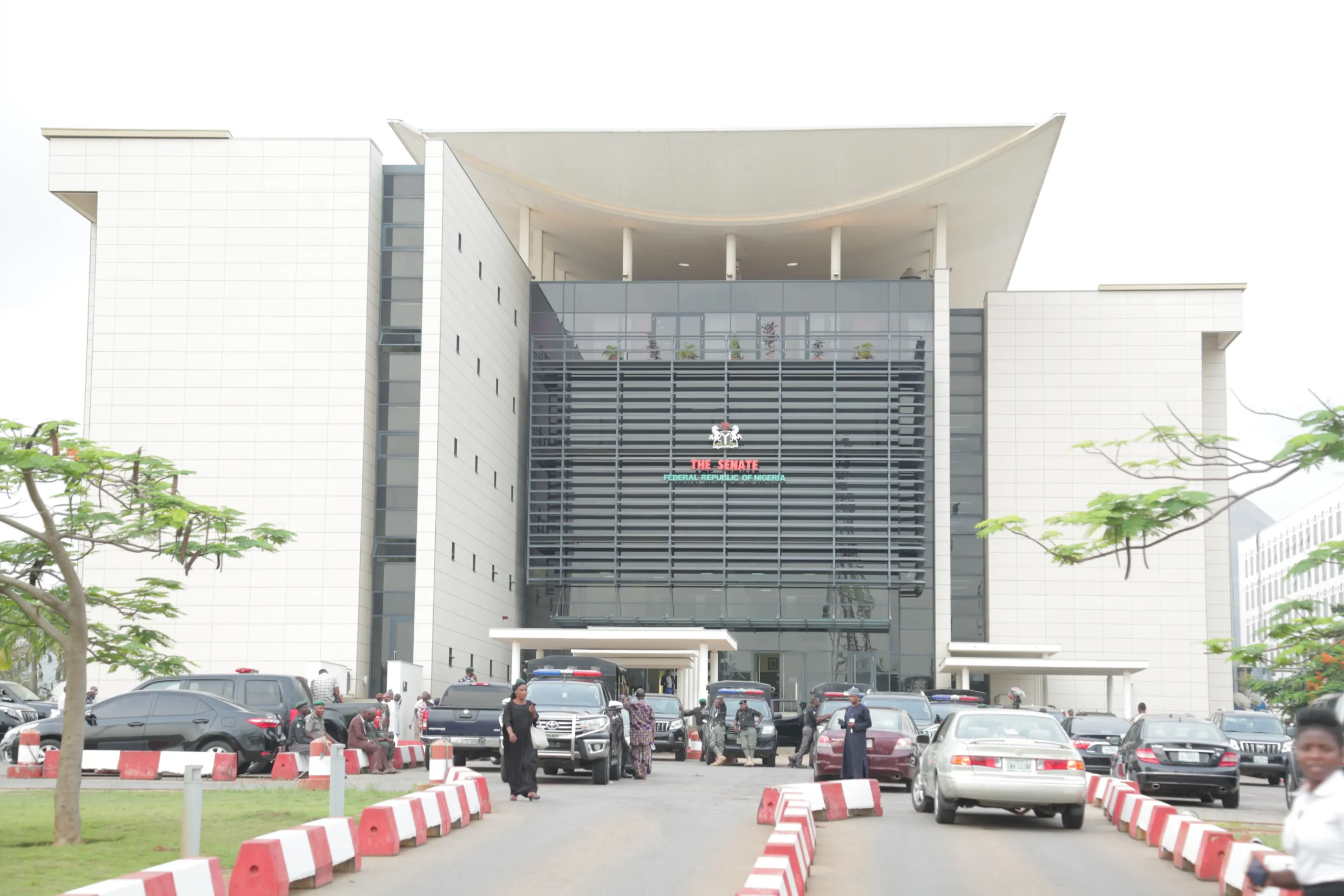
Archive photo of the National Assembly complex in Abuja, taken in 2018. Photo: Kabusa16/Wikimedia Commons, CC BY-SA 4.0.
Senate Leader Opeyemi Bamidele says the National Assembly is considering reserved seats for women, with a 16-year limit and further state-level approval required.
The proposed special seats for women would add 74 places across Nigeria’s two federal chambers, Senate Leader Opeyemi Bamidele said at a law week event in Ekiti on Monday, November 2. His outline also includes three additional seats in every state House of Assembly, creating a wider constitutional proposal than the headline figure alone suggests.
Bamidele, vice-chairman of the Senate Committee on the Review of the 1999 Constitution, spoke at the International Federation of Women Lawyers’ Ekiti State Chapter law week. He said the current proposal would give each state and the Federal Capital Territory one additional seat in the Senate and one in the House of Representatives, according to Channels Television. ThisDay’s report also set out the federal and state allocations.
The proposal comes amid a long-running effort to increase women’s representation in elective office. Its details matter because the number of seats, the way candidates are elected and the approval route determine who can benefit and when the plan could take effect.
How would the 74 special seats for women be allocated?
The 74 seats Bamidele described are the federal portion: 37 in the Senate and 37 in the House of Representatives. Each of Nigeria’s 36 states and the FCT would receive one new seat in each chamber, according to his account. These would sit alongside the existing elected constituencies.
The state-level proposal adds another 108 places. Each of the 36 state assemblies would receive three additional seats reserved for women. Combined, the federal and state proposals would create 182 new legislative positions, though Bamidele’s 74 figure refers only to the National Assembly seats.
READ ALSO: Can women be the change Nigeria’s politics needs?
The proposed time limit is 16 years, or four electoral cycles, after which lawmakers would review the arrangement. Bamidele described the limit as a sunset clause. A review could allow lawmakers to assess how the seats changed women’s access to elected office and whether the temporary measure should continue in a different form.
Why do the published versions of the women’s seats bill differ?
A June draft circulated as Bill No. 20 set out a different federal Senate arrangement. Its text proposed 12 additional women senators, with two seats for each of Nigeria’s six geopolitical zones and rotation among states. It proposed one additional woman representative for each state and the FCT, alongside three seats in each state assembly.
That draft also proposed an electoral college to fill the seats. The version described by Bamidele in Ekiti instead allocates 37 Senate seats, one for each state and the FCT. The June bill text and Bamidele’s Monday account therefore describe different Senate allocations. PLAC’s analysis also records the 12-seat Senate model in the draft it reviewed.
The distinction affects how many women could enter the Senate and how those seats would be shared. Readers and lawmakers will need the final bill text to see which allocation and election method the National Assembly intends to advance.
What approval does the constitutional proposal need?
The Constitution sets a high bar for amendments. The National Assembly’s constitutional process guide says each chamber must approve an alteration by at least a two-thirds majority, followed by resolutions from at least 24 of the 36 state Houses of Assembly.
Bamidele said the review committee was engaging state assemblies. The wider constitutional review process reached the state level in September, when the Clerk to the National Assembly transmitted the Sixth Alteration Bill to the 36 assemblies, according to Voice of Nigeria. That general process gives state lawmakers a central role in deciding whether constitutional changes can proceed.
For women considering a future run, the practical questions include the selection method, constituency boundaries, party nomination rules and election timetable. Those details would shape how candidates campaign and how voters participate. The proposal would add routes into elected office while leaving the existing constituencies in place, according to the version Bamidele described.
Special seats for women: frequently asked questions
How many special seats are proposed for women?
Bamidele’s outline includes 74 seats in the Senate and House of Representatives, plus 108 seats across the 36 state assemblies. The federal figure breaks down into 37 Senate seats and 37 House seats.
Would the proposed seats replace existing lawmakers?
Bamidele said the new seats would be additional positions alongside current constituencies. His outline would create new representation for women while existing constituencies stay in place.
How long would the special seats last?
The proposal described by Bamidele would run for 16 years, covering four electoral cycles, before a comprehensive review.
When could the women’s seats take effect?
The seats require a constitutional amendment to pass the required stages, including approval by both federal chambers and at least 24 state assemblies. The final bill text and its approved commencement provisions would set the start date.