

Deadly new world screwworm found in Texas after 60 Years: What it means for cattle, beef prices, and public health

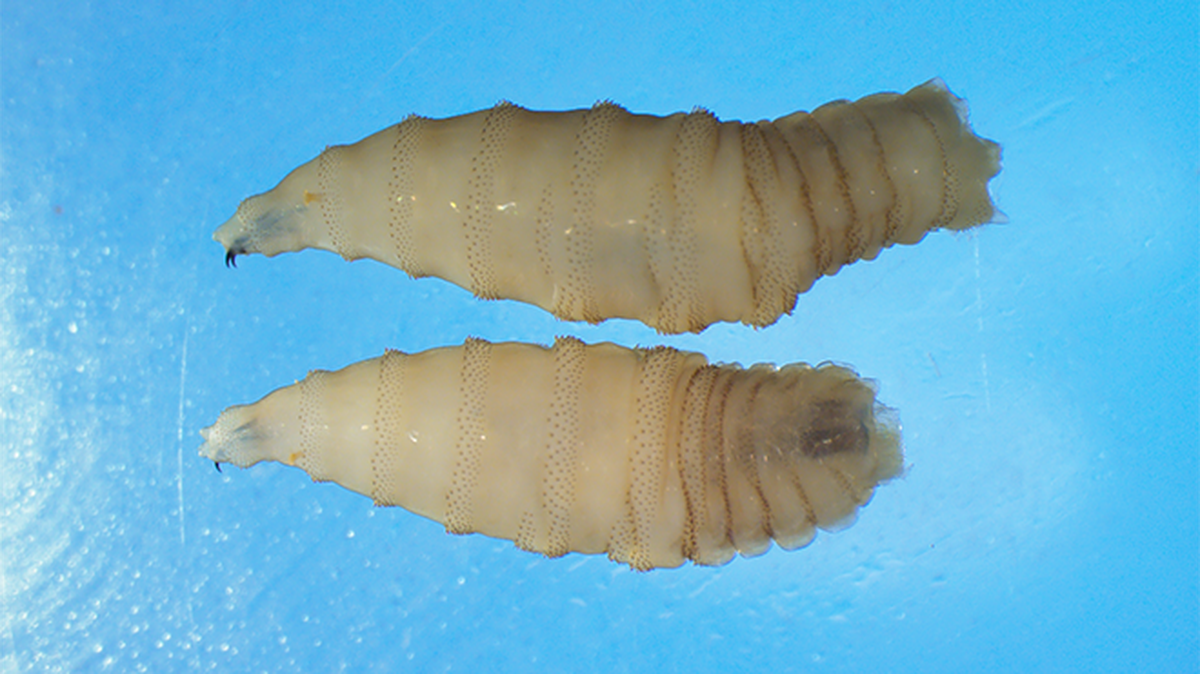
The New World screwworm is a flesh-eating parasite that lays eggs in open wounds. It can be devastating to livestock and, in rare cases, humans. Image Credit: U.S. Centers for Disease Control and Prevention
The confirmation of a New World screwworm case in Texas has sparked alarm across the U.S. cattle industry, marking the parasite’s return to the country roughly six decades after it was eradicated. The development has intensified concerns about livestock health, beef prices, and the potential economic impact on ranchers already facing supply challenges.
Federal authorities confirmed the detection in Zavala County, Texas, prompting an emergency response from the U.S. Department of Agriculture (USDA). The discovery comes amid growing concerns that the parasite, which had been advancing northward through Mexico, could eventually cross into the United States.
What Is the New World Screwworm?
Despite its name, the New World screwworm is not actually a worm. It is the larval stage of a fly species whose larvae burrow into the living tissue of warm-blooded animals.
Unlike many other fly larvae that feed on dead tissue, screwworm larvae attack healthy flesh. Female flies lay eggs in open wounds, and after hatching, the larvae feed aggressively on the animal, creating painful and potentially life-threatening infections.
The parasite primarily affects cattle, horses, sheep, goats, wildlife, and occasionally humans.
USDA Launches Emergency Response in Texas
The USDA confirmed the Texas case late Wednesday and immediately activated emergency containment measures.
Officials plan to quarantine and treat affected animals rather than implement mass culling programs. The agency is also accelerating the release of sterile flies, a strategy that was instrumental in eliminating the pest from the United States during the 20th century.
Emergency treatment supplies are being deployed while investigators search for additional infestations in surrounding areas.
The response aims to prevent the parasite from establishing a breeding population within the United States.
Why Ranchers Are Concerned
The discovery comes at a particularly challenging time for America’s cattle industry.
The U.S. cattle herd is already at its lowest level in approximately 75 years due to prolonged drought conditions, elevated feed costs, and years of herd reductions. As a result, beef supplies have tightened significantly.
Industry leaders fear that a widespread screwworm outbreak could lead to livestock losses, increased veterinary costs, and disruptions throughout the beef supply chain.
The National Cattlemen’s Beef Association said it has been working with state organizations for more than a year to prepare for the threat and protect American cattle producers.
READ ALSO
Deadly Hantavirus outbreak on cruise ship sparks Global panic after multiple deaths
Could Beef Prices Rise Even Higher?
Consumers may ultimately feel the impact at grocery stores.
Ground beef prices recently reached record levels, driven by limited cattle supplies and strong consumer demand. Any significant disruption to livestock production could place additional upward pressure on prices.
Market reaction was immediate, with live cattle futures declining after news of the Texas case emerged. Analysts say traders are closely watching the USDA’s containment efforts and any signs of additional infections.
If authorities successfully contain the outbreak, the long-term effect on prices could be limited. However, a broader spread would likely intensify supply concerns.
Can New World Screwworm Affect Humans?
Human infections are rare but possible.
According to health authorities, people can become infected if flies lay eggs in open wounds or vulnerable tissue. The resulting larvae can cause painful lesions, bleeding wounds, and tissue damage that may require medical treatment or surgery.
While human cases remain uncommon, experts recommend prompt treatment of wounds and monitoring of livestock and pets in affected regions.
Questions Raised Over Preparedness
The confirmation has also generated debate among state and federal officials.
Just one day before the USDA announcement, officials publicly stated that no cases had been detected near the U.S. border. The subsequent confirmation in Texas led to criticism from some state leaders, who questioned whether the response had been fast enough.
Texas Agriculture Commissioner Sid Miller expressed concerns about what he described as a slow and incomplete federal response, while USDA officials maintain that emergency measures are now fully underway.
What Happens Next?
Federal authorities are expected to intensify surveillance efforts across South Texas and neighboring regions.
The key objective is preventing additional cases while determining whether the parasite has spread beyond the initial detection site. Officials will also continue releasing sterile flies, a proven technique that disrupts breeding cycles and suppresses populations.
Agriculture experts say the coming weeks will be critical in determining whether the discovery remains an isolated incident or signals a broader challenge for the U.S. livestock industry.
For ranchers, consumers, and policymakers alike, the return of the New World screwworm serves as a reminder that even long-eradicated agricultural threats can quickly reemerge and test modern biosecurity systems.
FAQ
What is the New World screwworm?
The New World screwworm is the larval stage of a parasitic fly that feeds on living tissue in warm-blooded animals. It is considered one of the most destructive livestock pests in the Americas.
Why is the New World screwworm dangerous?
The larvae burrow into healthy flesh, causing severe wounds, infections, and potentially death if untreated. The parasite can rapidly spread among livestock populations.
Where was the New World screwworm found in Texas?
Federal authorities confirmed a case in Zavala County, Texas, prompting an emergency response from the USDA.
Was screwworm previously eradicated in the United States?
Yes. The United States successfully eradicated the New World screwworm approximately 60 years ago through an extensive sterile fly release program.
Can humans get New World screwworm infections?
Yes, although cases are rare. Humans can become infected if flies deposit eggs in open wounds or vulnerable tissue, potentially leading to painful lesions requiring medical treatment.
How does screwworm affect cattle?
The larvae feed on living tissue, causing painful wounds, infections, weight loss, reduced productivity, and in severe cases, death.
Will the Texas screwworm case affect beef prices?
Potentially. The U.S. cattle herd is already historically small, and any widespread infestation could further strain beef supplies and increase prices.
What is the USDA doing to stop screwworm?
The USDA is quarantining affected animals, deploying treatment supplies, conducting surveillance, and accelerating the release of sterile flies to suppress the parasite population.
What are sterile flies and how do they work?
Sterile male flies are released into the wild to mate with female screwworm flies. Because no viable offspring are produced, the population gradually declines.
Can pets get screwworm?
Yes. Dogs, cats, and other warm-blooded animals can be affected if flies lay eggs in wounds or skin injuries.
How can ranchers protect livestock from screwworm?
Ranchers should regularly inspect animals, promptly treat wounds, report suspicious cases, and follow USDA guidance on prevention and containment measures.
Why are cattle ranchers worried about screwworm?
A major outbreak could lead to livestock losses, increased treatment costs, trade disruptions, and further pressure on already high beef prices.
What are the symptoms of screwworm infestation?
Common signs include open wounds that worsen over time, foul-smelling lesions, visible larvae, unusual animal behavior, weight loss, and signs of infection.
Could screwworm spread beyond Texas?
Officials are actively investigating. Surveillance efforts are underway to determine whether the parasite has spread beyond the initial detection area.
How serious is the current Texas screwworm case?
Experts consider it a significant agricultural threat because the pest had been eradicated from the United States for decades. The success of containment efforts will determine the broader impact on livestock and food markets.