
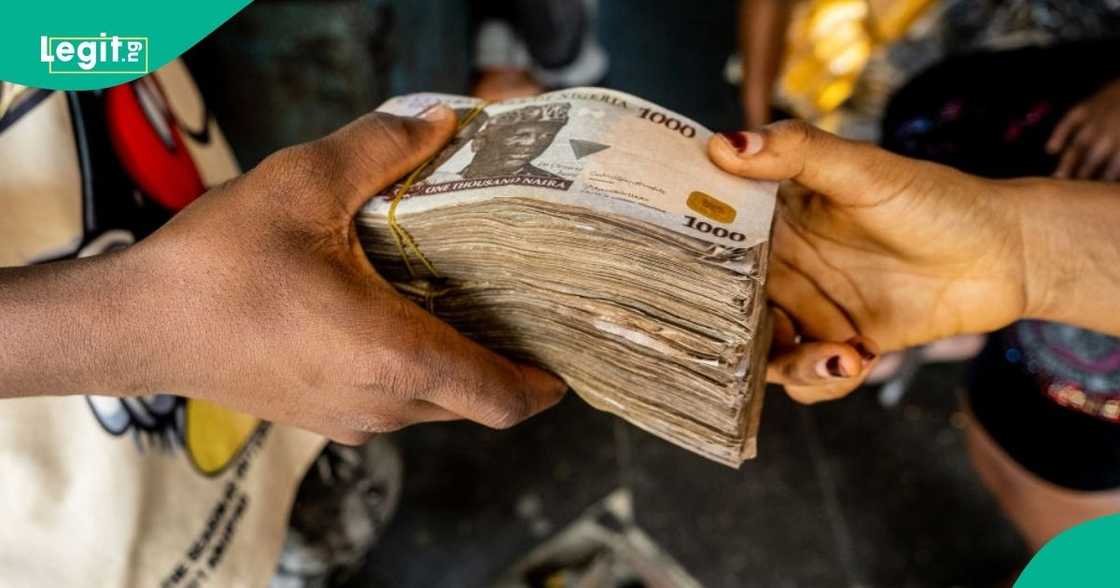
The Federal Government’s ₦50,000 NERSI grant is intended to help vulnerable Nigerians cope with the rising cost of living.
For many households, the support may arrive at a time when several financial obligations are competing for limited income.
Food, transport, medication, electricity and school-related expenses can quickly consume available funds.
Consequently, beneficiaries may face difficult decisions about how to use the money.
Although the Federal Ministry of Humanitarian Affairs and Poverty Reduction has explained how recipients can collect the grant, its public FAQ does not prescribe a detailed household spending formula.
This means financial planning becomes an important consideration after payment.
Here are 10 practical ways beneficiaries could make the support useful, depending on their circumstances.
1. Prioritise essential food purchases
Food is among the most immediate needs for vulnerable households.
A beneficiary may consider using part of the grant to purchase basic items such as rice, beans, garri or other staples.
However, the amount required will depend on household size, location and prevailing prices.
Buying in larger quantities may sometimes reduce unit costs, but it is not always affordable or practical.
2. Set aside money for urgent healthcare
Unexpected medical expenses can place considerable pressure on household finances.
A beneficiary who requires prescribed medication or essential treatment may prioritise these costs.
However, the grant should not be treated as a substitute for appropriate medical care or professional advice.
3. Cover necessary transport expenses
Transport costs can affect people’s ability to work, attend school or access essential services.
A beneficiary may reserve part of the money for necessary journeys.
For someone who earns a living through daily work, transport expenses may be directly connected to maintaining income.
4. Address urgent electricity or cooking-fuel needs
Households may use part of the grant for electricity, cooking gas, kerosene or other essential energy expenses.
The appropriate allocation depends on available services and household circumstances.
Recipients should prioritise safety and avoid unnecessary purchases.
5. Pay essential school-related expenses
Some families may face urgent expenses involving school materials, transport or outstanding fees.
Using part of the grant for such needs could reduce pressure on household finances.
However, beneficiaries should first establish which expenses are most urgent.
6. Settle critical small debts
A household may owe money for food, essential services or other necessities.
Repaying an urgent obligation could help restore access to those services.
However, beneficiaries should consider whether using the entire grant for debt repayment would leave them unable to meet immediate needs.
7. Preserve a small emergency balance
Not every expense can be predicted.
A beneficiary may consider keeping part of the money available for unexpected transport, medication or household emergencies.
The government’s NERSI FAQ confirms that recipients can withdraw part of their grant and leave the remainder in the wallet.
This means the full amount does not necessarily have to be converted into cash immediately.
8. Consider a modest income-generating activity
Some beneficiaries may already operate small businesses or informal trading activities.
Where immediate household needs have been addressed, a portion of the grant could potentially support existing income-generating work.
For example, a trader might purchase additional stock.
However, business investment carries risks, and NERSI is primarily a relief programme rather than a dedicated business loan scheme.
The government has not published detailed restrictions on every category of beneficiary expenditure.
9. Avoid unnecessary withdrawal charges
Beneficiaries may incur ordinary POS charges when converting wallet balances into cash.
The ministry says the full ₦50,000 is credited without programme deductions.
However, POS agents may charge for withdrawals.
Recipients should ask about fees and consider whether repeated small withdrawals will create avoidable costs.
They should also weigh the security implications of carrying large amounts of cash.
10. Plan before spending the entire amount
A simple household budget can help beneficiaries distinguish essential needs from less urgent purchases.
For illustration, a recipient might allocate the grant as follows:
| Expense | Illustrative allocation |
|---|---|
| Food | ₦20,000 |
| Healthcare | ₦8,000 |
| Transport | ₦7,000 |
| Electricity or cooking fuel | ₦5,000 |
| School or household essentials | ₦5,000 |
| Emergency balance | ₦5,000 |
| Total | ₦50,000 |
This is an example of how a household could divide the money. It is not a government-approved spending formula or a claim about current market prices.
A household with different needs may reasonably allocate the money differently.
Can beneficiaries spend the money on whatever they want?
The ministry’s published FAQ does not provide a comprehensive list of permitted and prohibited household purchases.
However, the government describes NERSI as financial relief intended to help vulnerable households meet living costs.
Beneficiaries should therefore focus on essential needs and consider the risks of discretionary spending.
Will another ₦50,000 arrive next month?
Humanitarian Affairs Minister Bernard Doro described NERSI as monthly support in his October 30 announcement.
However, the ministry’s subsequent FAQ does not specify how many monthly payments each beneficiary will receive.
Therefore, recipients should not make financial commitments based on unconfirmed future instalments.
The bigger picture
The ₦50,000 grant may help a household address urgent financial pressures, but its usefulness depends partly on how the money is managed.
For some beneficiaries, food and healthcare will be the immediate priorities.
For others, preserving access to work or settling an essential household obligation may be more important.
The most practical approach is to identify urgent needs, avoid unnecessary transaction costs and plan around the money already received rather than future payments that have not been confirmed.
Sources: Official NERSI programme FAQ and October 30 ministerial announcement.