
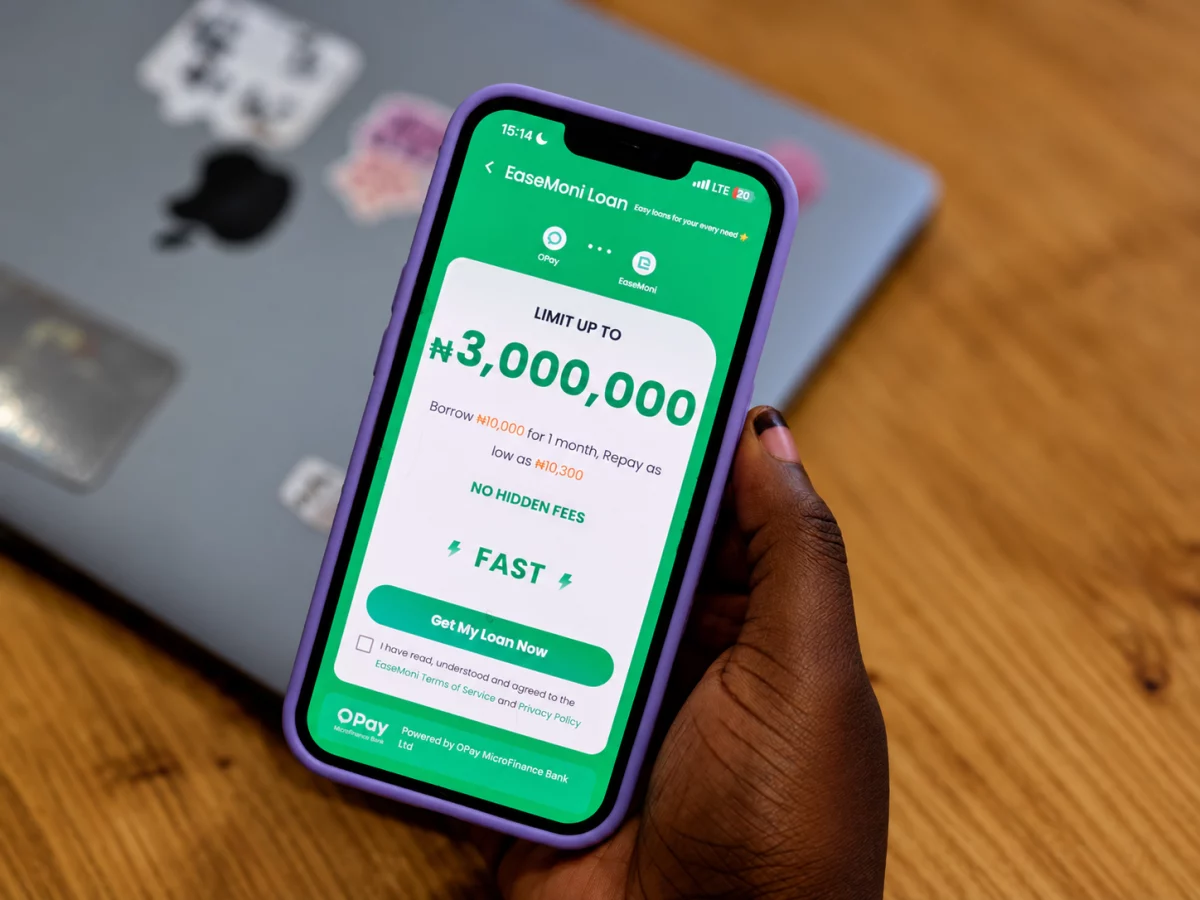
Nigerians owing money to banks or other financial institutions may be concerned that their outstanding debts could affect their ability to access the Federal Government’s ₦50,000 relief grant.
The National Emergency Relief and Stabilisation Intervention (NERSI) provides financial assistance to selected vulnerable households through approved mobile-wallet providers.
According to the official NERSI FAQ, the government credits the full ₦50,000 to each selected beneficiary without programme deductions.
However, the ministry’s published guidance does not specifically explain whether an outstanding bank loan, overdraft or other financial obligation could affect money after it has entered a beneficiary’s wallet.
Can a bank deduct money before the grant is credited?
The government’s payment rules state that the full ₦50,000 is credited without deductions.
This means beneficiaries should not be required to surrender part of their grant as a NERSI processing charge.
However, the ministry’s statement about full payment does not expressly address every possible debt-recovery arrangement involving a beneficiary and a financial institution.
A deduction made under a separate financial agreement would raise a different legal question from an unauthorised NERSI registration fee.
What if a beneficiary already owes the payment provider?
Some Nigerians may already have accounts or financial relationships with institutions participating in the programme.
For example, a person might owe money under a separate credit arrangement while receiving the NERSI grant through a digital wallet.
The public FAQ does not state whether the grant is protected from set-off or debt recovery in every circumstance.
It also does not specify whether all providers operate the same account arrangements for beneficiaries.
Therefore, it would be misleading to promise that outstanding debts can never affect the money.
It would be equally inaccurate to claim that every indebted beneficiary will automatically lose the grant.
Is NERSI itself a loan?
No.
The ministry explicitly describes the ₦50,000 as a grant.
Beneficiaries do not have to repay the support.
This means the government is not creating a new debt merely by providing the relief payment.
However, the non-repayable nature of NERSI does not automatically settle a beneficiary’s existing obligations to other lenders.
The two issues should be considered separately.
What if money disappears from the wallet?
Beneficiaries should first check their transaction histories through their designated providers.
They should identify whether the issue concerns a transfer, service charge, withdrawal or another transaction.
Where a deduction is unexplained, they should contact the provider and request a clear account of what happened.
Recipients should preserve transaction references and relevant SMS notifications.
They should not disclose their PINs or OTPs to strangers offering to recover the money.
Can beneficiaries transfer the grant elsewhere?
The official FAQ says recipients may transfer money from their NERSI wallets to bank accounts.
They may also withdraw part of the grant or spend directly from the wallet.
However, transferring funds does not necessarily remove existing contractual obligations or legal claims.
Beneficiaries should understand the terms of any financial agreements affecting their accounts.
What clarification is still needed?
The ministry has not publicly explained whether NERSI payments enjoy any specific protection from debt recovery or account set-off.
It has also not published provider-by-provider rules addressing beneficiaries with outstanding debts.
These are important consumer-protection questions because the programme targets people facing financial hardship.
For wallet disputes, beneficiaries should contact their designated payment providers.
General programme enquiries can be directed to 0700-022-2222.
The confirmed position is that the full grant should be credited without NERSI deductions, but the government’s FAQ does not establish a universal exemption from every separate debt-recovery arrangement.