
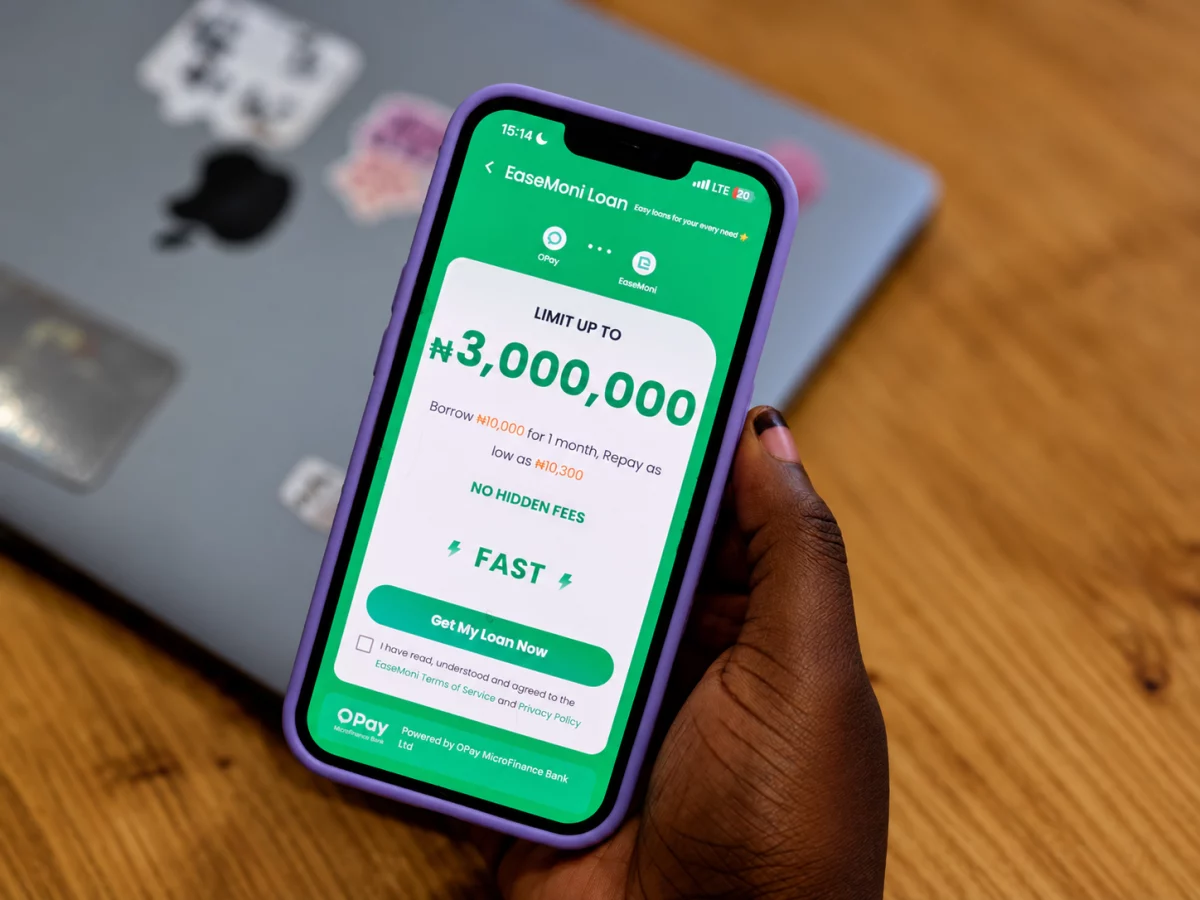
The Federal Government’s ₦50,000 relief programme has created an opportunity for selected vulnerable Nigerians to receive financial assistance without completing a public application.
However, mistakes during the payment process could delay access to the money or expose beneficiaries to fraud.
The National Emergency Relief and Stabilisation Intervention (NERSI) uses approved financial institutions to send notifications, obtain consent and distribute payments.
While the government says the process is free, some recipients may be unfamiliar with mobile wallets and USSD banking.
Others may rely on information circulating through social media or unofficial agents.
Understanding common mistakes could help beneficiaries avoid unnecessary difficulties.
1. Assuming selection means payment is complete
Receiving an SMS is not the same as receiving the ₦50,000.
The notification informs a selected beneficiary about the support and explains how to accept it.
Payment follows the required consent process.
Someone who ignores the message may remain unpaid.
2. Responding without checking the sender
Not every message mentioning NERSI is genuine.
Fraudsters may impersonate financial institutions or government officials.
Beneficiaries should verify the sender and compare the instructions with the government’s official guidance.
Messages requesting payment or confidential credentials are warning signs.
3. Paying someone to secure inclusion
The ministry says beneficiary selection is automated and based on existing records.
No agent can legitimately add someone to the list in exchange for money.
Paying a supposed registration official could result in financial loss without improving eligibility.
4. Using unofficial registration websites
NERSI does not have a public registration process.
Therefore, websites promising immediate approval or guaranteed selection should be treated with suspicion.
Beneficiaries should rely on the official ministry website rather than links shared through unknown social media accounts.
5. Ignoring the consent instructions
The government says beneficiaries must accept the support before payment.
A person who receives a legitimate notification but fails to complete the process may not receive the grant.
The ministry advises recipients to respond promptly.
However, it has not published a universal 24-hour or seven-day expiry deadline.
6. Selecting NO without understanding the consequences
Some beneficiaries may accidentally reject the support while navigating a USSD menu.
According to the official NERSI FAQ, selecting NO records a refusal and prevents payment while that decision remains in effect.
However, the ministry provides a way to correct the mistake.
Recipients can dial their provider’s code again and select YES.
This is important because an accidental rejection does not necessarily mean the grant has been permanently lost.
7. Sharing confidential banking credentials
A person may receive a telephone call claiming that the ₦50,000 is ready but requires identity confirmation.
If the caller requests a PIN, OTP or BVN, the beneficiary should stop the interaction.
The ministry says programme officials and financial providers will not request these credentials.
Sharing them could expose the wallet or other financial accounts to unauthorised access.
8. Using the wrong payment instructions
The programme operates through five approved providers.
Each has a designated USSD service.
A beneficiary assigned to one institution should follow that institution’s instructions rather than assume another provider’s code will complete the payment.
If the instructions are unclear, the recipient should contact the designated provider.
9. Transferring money without verifying account details
After payment, beneficiaries may transfer funds to POS agents or bank accounts.
Entering incorrect account details could result in a disputed or mistaken transaction.
Before authorising a transfer, recipients should verify the account number, recipient and amount.
They should also understand any applicable charges.
10. Trusting people who claim the payment was made by mistake
One of the more serious risks arises after the grant has been credited.
A fraudster may contact a beneficiary and claim that the ₦50,000 was transferred in error.
The person may then demand that the money be returned to a private account.
The ministry specifically warns beneficiaries against complying with such requests.
Anyone receiving a refund demand should contact the payment provider independently.
What happens if a beneficiary has already made a mistake?
The appropriate response depends on the problem.
An accidental NO response can be corrected through the provider’s USSD service.
A failed transaction should be reported to the financial institution.
If confidential credentials have been disclosed, the beneficiary should contact the provider immediately to secure the wallet.
For general programme enquiries, the NERSI helpline is 0700-022-2222.
The bigger picture
NERSI’s digital payment arrangement removes the need for public registration and physical distribution centres.
However, it also requires beneficiaries to understand basic account-security practices.
The most important distinction is between a genuine programme instruction and an attempt to obtain money or sensitive information.
Source: Official NERSI programme guidance.