

Nepal flash floods explained: What triggered the deadly disaster on the Tibet border?

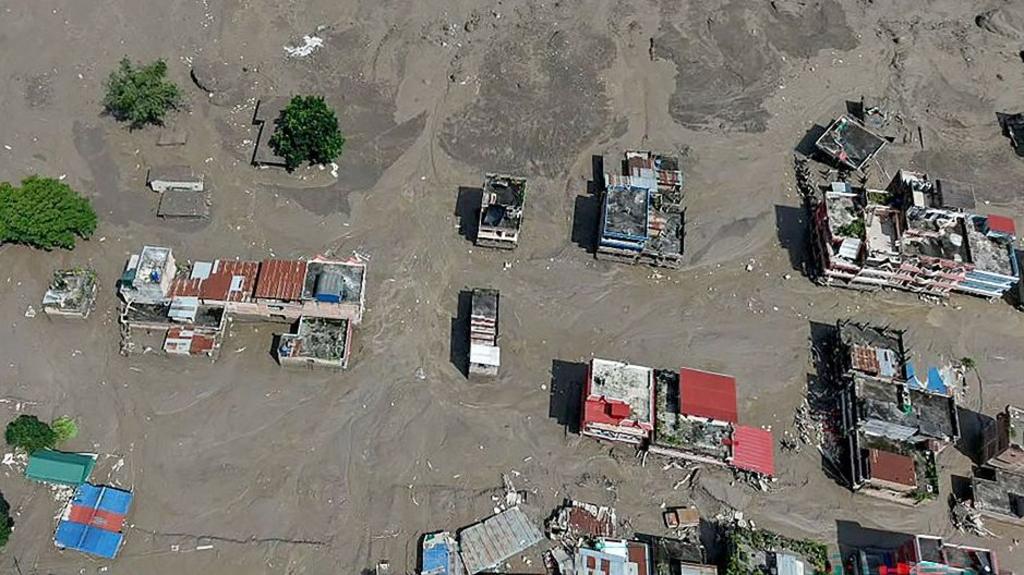
Nepal flash floods leave 95 dead and hundreds missing. CREDIT: BBC
A devastating flash flood in Nepal has killed at least 95 people and left hundreds of travellers missing after a powerful surge of water and debris swept through communities along the Nepal-Tibet border.
The disaster has caused widespread destruction across northern Nepal, damaging homes, bridges, roads and major infrastructure while triggering a large-scale rescue operation involving Nepalese security forces and international support.
Authorities are also warning of the possibility of another flood as concerns grow over a potential blockage upstream on the Lhende Khola river.
Nepal Flash Flood Death Toll Rises to 95
At least 95 people have been confirmed dead following the devastating flooding, while hundreds of others remain missing.
The number of casualties could change as rescue teams gain access to areas that have been cut off by floodwater, mud and debris. The scale of the destruction has made it difficult for authorities to establish the full impact of the disaster.
The affected region is mountainous, with communities and infrastructure located close to river channels and steep terrain. The sudden movement of water, rocks and sediment left little time for people in some areas to respond.
Hundreds of Travellers Reported Missing
The Nepal flash floods have raised particular concern over the fate of international travellers in the region.
Authorities have reported 384 travellers missing, including citizens from countries such as the United Kingdom, India, the United States, South Korea, Malaysia, South Africa, Australia and the Netherlands.
At least 12 British nationals are reportedly among those missing.
The region is used by tourists and pilgrims travelling between Nepal and Tibet, increasing the number of foreign nationals potentially exposed to the disaster.
Search teams are working to determine the whereabouts of people who may have been stranded, separated from travel groups or unable to communicate because of damaged infrastructure.
What Caused the Nepal Flash Floods?
The immediate cause of the disaster is suspected to be an ice-rock avalanche that entered the Lhende Khola river, producing a sudden and destructive surge downstream.
A 4.4-magnitude earthquake is also suspected of triggering the avalanche. The combination of unstable mountain terrain, rock and ice entering the river and the resulting rapid rise in water created conditions for an exceptionally destructive flash flood.
Investigations into the precise chain of events are continuing, and authorities have not indicated that the earthquake alone caused the flooding.
Lhende Khola River at the Centre of Disaster
The Lhende Khola, a tributary of the Bhotekoshi River, has become central to reports surrounding the disaster.
The sudden increase in water and debris along the river destroyed infrastructure and affected communities close to the river system.
The force of the flood was strong enough to damage bridges and roads while sweeping away structures and disrupting important transport connections.
The destruction has also complicated efforts to reach people who may be trapped or stranded in remote areas.
Nepal-Tibet Border Infrastructure Damaged
The flooding has caused significant disruption around the Nepal-Tibet border, including the area around Gyirong Port.
The border region is an important route for trade, travel and tourism, meaning damage to roads and other infrastructure could have wider consequences beyond the immediate humanitarian emergency.
Floodwater and mudslides have damaged transport routes and communications infrastructure, while power-related facilities have also been affected.
The destruction has left emergency crews facing difficult conditions as they attempt to reach isolated communities.
READ ALSO
Indonesia earthquake: Magnitude 7.7 quake kills 47 as landslides trap survivors
Authorities Warn of Possible Secondary Flood
Rescue operations are taking place alongside warnings that another dangerous flood could occur.
Authorities have raised concerns about an upstream blockage on the Lhende Khola river. If accumulated water breaks through such a blockage, another sudden surge could move downstream.
Flood alerts have also been issued in parts of neighbouring India, including Bihar and Uttar Pradesh, because of the potential downstream impact.
Residents and travellers in vulnerable areas are being urged to follow instructions from emergency authorities and remain alert to further warnings.
Rescue Operations Continue Despite Difficult Conditions
Nepalese police and military personnel are leading the search and rescue effort.
Teams are facing significant challenges because of high water levels, thick sediment, damaged roads and unstable terrain. In some areas, conditions have also made helicopter landings difficult.
The destruction of bridges and roads has reduced access to affected communities, forcing rescue teams to find alternative routes.
International assistance is also being provided, with China, India and South Korea involved in support efforts connected to the disaster.
Hydropower Projects Among Areas Affected
The flooding has also affected infrastructure connected to Nepal’s important hydropower sector.
Several power projects and facilities in the affected region have suffered damage, adding another layer to the emergency.
The destruction of hydropower infrastructure could have consequences for electricity generation and local economic activity, while damaged roads and bridges could make repairs more difficult.
Workers at some facilities have also been caught up in the disaster, with authorities working to establish the status of missing individuals.
Why the Nepal Flood Disaster Is Raising Concern
The latest disaster highlights the vulnerability of communities living in the Himalayan region, where steep mountains, rapidly changing weather conditions and unstable terrain can create significant flood risks.
Flash floods are particularly dangerous because they can develop rapidly, sending large volumes of water and debris through river valleys with limited warning.
The suspected involvement of an ice-rock avalanche also demonstrates how hazards in mountainous areas can combine to produce sudden and destructive events.
Nepal Floods Put Focus on Himalayan Disaster Preparedness
The scale of the latest Nepal flash floods is expected to intensify discussions around early-warning systems, disaster preparedness and infrastructure resilience in Himalayan communities.
Authorities face the difficult task of rebuilding damaged infrastructure while also protecting residents and travellers from further hazards.
For now, the priority remains locating missing people, recovering victims and providing assistance to communities affected by the flooding.
With at least 95 deaths and hundreds of people still missing, the Nepal flash flood disaster remains an unfolding emergency as rescue teams continue searching through the devastated areas along the Tibet border.
FAQ
What happened in the Nepal flash floods?
A major flash flood struck Nepal’s northern border region on August 26, 2026, affecting areas around the Bhotekoshi and Lhende Khola rivers and causing extensive destruction to homes, roads, bridges and power infrastructure.
The flooding also affected the nearby Tibet border area, where a mudslide hit Gyirong Port. The disaster left hundreds of people missing and triggered large-scale search and rescue operations.
How many people died in the Nepal flash floods?
The death toll had reached at least 95 people according to police reports cited by Reuters on August 26. Earlier figures were substantially lower as authorities continued recovering bodies and verifying reports from affected areas, meaning casualty figures remained subject to change.
How many people are missing in the Nepal floods?
Authorities reported 384 travellers missing or unaccounted for, including foreign nationals and Nepali citizens. The figure included 291 foreign nationals in one Nepal Tourism Board update.
What caused the Nepal flash floods?
The disaster is suspected to have been triggered by an ice-and-rock avalanche or landslide that entered the Lhende Khola river and caused a sudden surge of water and debris downstream.
Reuters reported that a preceding 4.4-magnitude earthquake was suspected of triggering the avalanche, although investigations into the precise sequence of events were continuing.
Was an earthquake responsible for the Nepal floods?
A 4.4-magnitude earthquake is suspected to have contributed to the disaster by triggering an ice-rock avalanche near the Lhende Khola. However, authorities and experts have described the earthquake connection as a suspected cause rather than a conclusively established explanation for every aspect of the flooding.
Which river caused the Nepal flash flood?
The Lhende Khola, a tributary of the Bhotekoshi River, experienced severe flooding. The resulting surge affected downstream communities and infrastructure along the river system.
Where did the Nepal flash floods happen?
The worst-affected areas included Rasuwa district in northern Nepal, near the border with China’s Tibet region. Settlements and infrastructure around areas including Timure and Syapru Besi suffered major damage.
The flooding also affected the wider Bhotekoshi and Trishuli river systems downstream.
Are tourists missing after the Nepal floods?
Yes. Hundreds of travellers were reported missing or unaccounted for after the flooding. The missing travellers included people from several countries, including India, the United States, the United Kingdom, Malaysia, Australia and others.
How many British nationals are missing in Nepal?
At least 12 British nationals were reported among the missing travellers in the latest information supplied by The Independent.
How many Indian tourists are missing in the Nepal floods?
Reports citing Nepal Tourism Board information indicated that more than 100 Indian nationals were among those reported missing, with Reuters later reporting 105 Indian travellers in its breakdown. Figures can change as authorities verify the status of people who were travelling through the affected region.
Were Mount Kailash pilgrims affected by the Nepal floods?
Some of the missing travellers were tourists and pilgrims travelling through the Himalayan region, including people heading toward Mount Kailash. The disaster affected a major travel route near the Nepal-Tibet border, raising concerns over the whereabouts of international visitors.
What happened to Gyirong Port?
Gyirong Port, an important crossing between Nepal and Tibet, was affected by a mudslide and flooding. Roads, communications and power infrastructure in the area were disrupted, complicating rescue and recovery operations.
Is another flood possible in Nepal?
Authorities have warned of the possibility of another flood because of a potential upstream blockage on the Lhende Khola. Such a blockage could potentially release another sudden surge of water if it fails.
Flood alerts were also issued downstream and in neighbouring Indian states including Bihar and Uttar Pradesh.
Why are rescue operations difficult?
Rescue teams are facing difficult conditions, including high water levels, heavy sediment, damaged roads and destroyed infrastructure.
The debris and unstable conditions have also made helicopter operations more difficult in some locations, slowing efforts to reach isolated areas and locate missing people.
Who is helping with the Nepal flood rescue operation?
Nepalese police and military personnel are leading rescue efforts, while India, China and South Korea have also offered or deployed support connected to the emergency.
China has been carrying out rescue operations in the Tibet region, while South Korea has been preparing assistance after several of its nationals working on a hydropower project were reported missing.
Was this the first major flood in the area?
No. The Rasuwa region experienced another major flash flood in August 2025. That disaster was linked to a glacial lake overflow in Tibet and caused deaths and significant infrastructure damage.
The recurrence of severe flooding in the region has increased concern about the vulnerability of Himalayan communities and infrastructure.
Is climate change linked to the Nepal flash floods?
Climate researchers have warned that the Himalayan region is highly vulnerable to climate change, with rising temperatures contributing to accelerating glacier loss and changing the risks associated with extreme weather.
However, the immediate trigger for the August 26 disaster is being linked to an ice-rock avalanche, with a preceding earthquake suspected of playing a role. Climate change should not be presented as the sole direct cause of this specific flood without further scientific assessment.
What damage did the Nepal floods cause?
The flooding destroyed or damaged homes, bridges, roads, villages and hydropower infrastructure. The destruction of transport links and communications has complicated emergency response and left some areas difficult to access.
What is the latest Nepal flood death toll?
As of the latest reports available on August 26, 2026, at least 95 people had been confirmed dead, with hundreds still missing. The situation remained fluid as rescue teams searched affected communities and authorities continued verifying casualty and missing-person figures.