

London Gatwick Airport delays: What happened and what compensation can passengers claim?

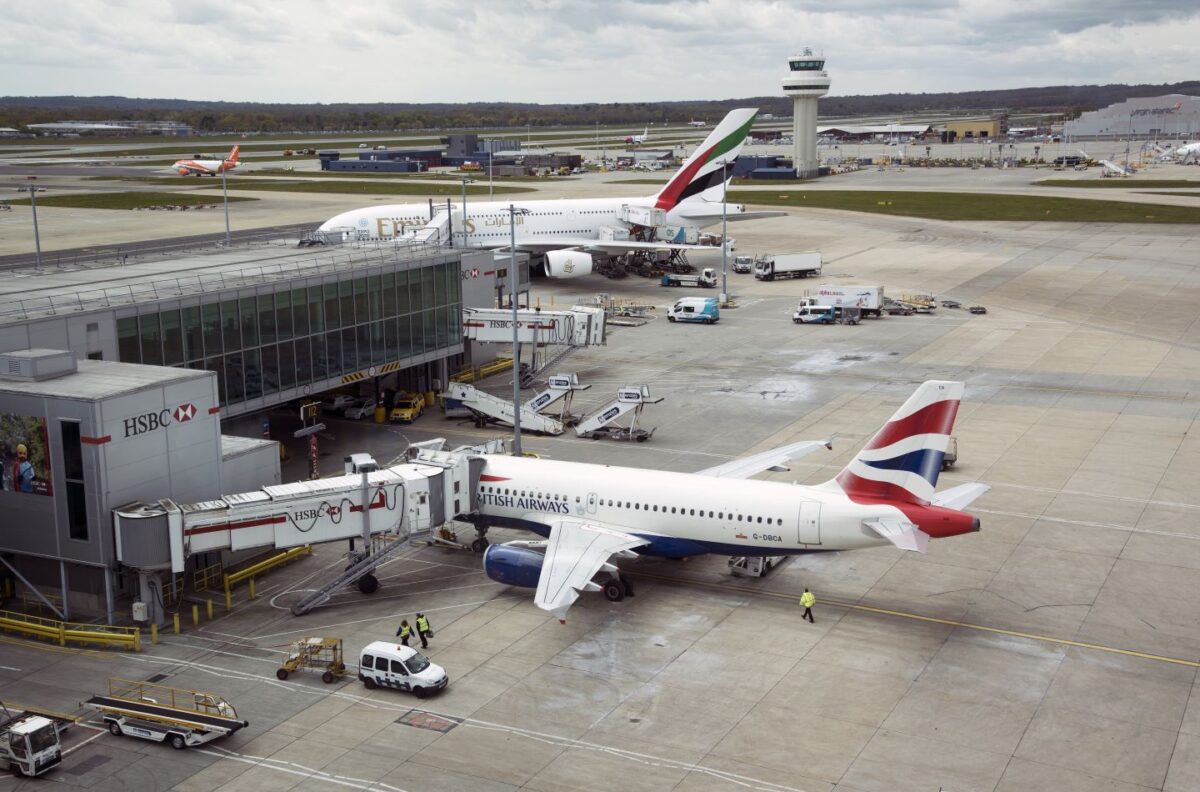
London Gatwick Airport runway closure sparks major flight disruptions. Image Credit: Peter Titmuss/ Shutterstock
Passengers travelling through London Gatwick Airport faced significant disruption after a British Airways aircraft experienced a technical issue that temporarily blocked one of the airport’s runways, forcing several flights to divert to other airports across the UK.
The incident, which unfolded during the early hours of Wednesday, triggered a chain reaction of delays, diversions and overnight travel complications for hundreds of passengers, with some aircraft declaring emergencies due to low fuel levels while awaiting clearance to land.
The disruption has once again highlighted the vulnerability of major aviation hubs to operational issues and raised fresh questions about passenger rights during unexpected flight interruptions.
British Airways Aircraft Suffers Technical Issue
According to airport officials and flight tracking data, the incident began when a British Airways flight from Palma de Mallorca to Gatwick reported a technical fault shortly before landing.
Emergency services met the aircraft as a precautionary measure after reports suggested the plane may have experienced a landing gear issue.
British Airways confirmed that the aircraft landed safely and passengers disembarked normally.
A spokesperson for the airline said:
“Our flight landed safely, and customers disembarked normally following reports of a technical fault with the aircraft.”
Gatwick Airport subsequently closed one of its runways for a short period while the situation was assessed and the aircraft was attended to.
More Than a Dozen Flights Diverted Across the UK
The temporary runway closure quickly caused widespread disruption.
Flight tracking data indicated that at least 14 incoming flights were diverted to alternative airports, including:
- Heathrow Airport
- London Stansted Airport
- Luton Airport
- Birmingham Airport
- Bristol Airport
Several aircraft reportedly circled over southern England while awaiting instructions before being redirected.
Flights affected included services arriving from major European holiday destinations such as:
- Rome
- Athens
- Rhodes
- Tenerife
- Valencia
- Lanzarote
- Fuerteventura
- Agadir
- Bari
Reports also indicated that at least nine aircraft declared emergency “7700” squawk codes, typically used by pilots to indicate urgent situations, as fuel levels became a concern during prolonged holding patterns.
EasyJet Passengers Left Stranded Overnight
One of the most notable disruptions involved an EasyJet flight from Rome to Gatwick, which had already experienced delays before being diverted to Stansted Airport.
Passengers on board reportedly remained on the aircraft for more than two hours after landing because the plane could not obtain fuel and no ground handling staff were immediately available.
EasyJet later apologised for the inconvenience.
The airline explained that because the arrival was unscheduled, arrangements for refuelling and passenger handling could not be put in place quickly enough.
Passengers were eventually advised to make their own onward travel arrangements and submit reimbursement claims for associated expenses.
The incident left many travellers facing lengthy journeys home in the middle of the night.
READ ALSO
New NTSB report reveals how United Airlines Jet nearly ended in disaster at Newark Airport
Gatwick Airport Issues Statement
A London Gatwick spokesperson confirmed that the runway closure was temporary and emphasised that safety remained the airport’s highest priority.
The airport stated:
“Earlier this morning, the runway was closed for a short period due to a technical issue with an aircraft. As a result, a small number of flights were diverted, with the majority later returning to London Gatwick.”
Although operations resumed, arrival and departure delays continued throughout Wednesday morning.
Airport authorities have not yet confirmed whether all subsequent delays were directly linked to the earlier runway closure.
What Compensation Could Passengers Receive?
Under UK aviation regulations, passengers affected by delays or diversions may have rights to compensation and reimbursements depending on the circumstances surrounding the disruption.
Travellers may be entitled to:
- Reimbursement for reasonable transport expenses
- Meals and refreshments during long delays
- Hotel accommodation if overnight stays become necessary
- Compensation payments in some cases if the disruption is considered the airline’s responsibility
Potential compensation amounts under UK rules can reach:
- Up to £220 for short-haul flights
- Up to £350 for medium-haul flights
- Up to £520 for long-haul services
However, compensation eligibility often depends on whether the disruption resulted from extraordinary circumstances beyond an airline’s control.
Fresh Concerns Over Airport Resilience
The Gatwick disruption comes amid a series of aviation incidents across Europe in recent weeks, including airport delays, drone-related disruptions and technical problems affecting airlines.
Industry experts note that even short runway closures at major airports can create significant knock-on effects across the wider aviation network.
With millions of passengers expected to travel during the busy summer season, airlines and airports are under increasing pressure to improve contingency planning and communication during operational disruptions.
For affected travellers, the immediate priority remains recovering additional expenses and securing compensation where applicable.
FAQ
Why were flights diverted from London Gatwick Airport?
Flights were diverted after a British Airways aircraft experienced a technical issue that temporarily blocked one of Gatwick’s runways.
What happened to the British Airways plane at Gatwick?
The aircraft reportedly suffered a technical fault, with reports suggesting a possible landing gear issue. The plane landed safely and passengers disembarked normally.
How many flights were affected?
At least 14 flights were diverted to other airports, while many other services experienced delays.
Which airports received diverted flights?
Flights were redirected to Heathrow, Stansted, Luton, Birmingham and Bristol airports.
Why did some planes declare emergencies?
Several aircraft reportedly declared emergency code 7700 because fuel levels were becoming a concern after prolonged holding patterns.
Why was the EasyJet Rome flight delayed further?
The diverted EasyJet aircraft landed at Stansted but faced difficulties obtaining fuel and ground support, leaving passengers onboard for more than two hours.
Can passengers claim compensation?
Passengers may be entitled to reimbursements and, in some cases, compensation depending on the cause of the disruption and airline responsibility.
How much compensation could passengers receive?
Under UK regulations, compensation can range from £220 to £520 per passenger, depending on flight distance and circumstances.
Is Gatwick Airport operating normally now?
The runway reopened after a short closure, but delays continued into Wednesday due to knock-on operational impacts.
Should passengers travelling through Gatwick check their flights?
Yes. Passengers are advised to monitor airline updates and check flight statuses before travelling to the airport.
What does emergency code 7700 mean?
Squawk code 7700 is a universal transponder signal used by pilots to indicate a general emergency situation requiring priority assistance.
Could further delays occur?
Operational disruptions at major airports can have lingering effects, so some delays and schedule changes may continue even after normal operations resume.