

Trump Administration expands denaturalization effort, targets hundreds of naturalized U.S. citizens

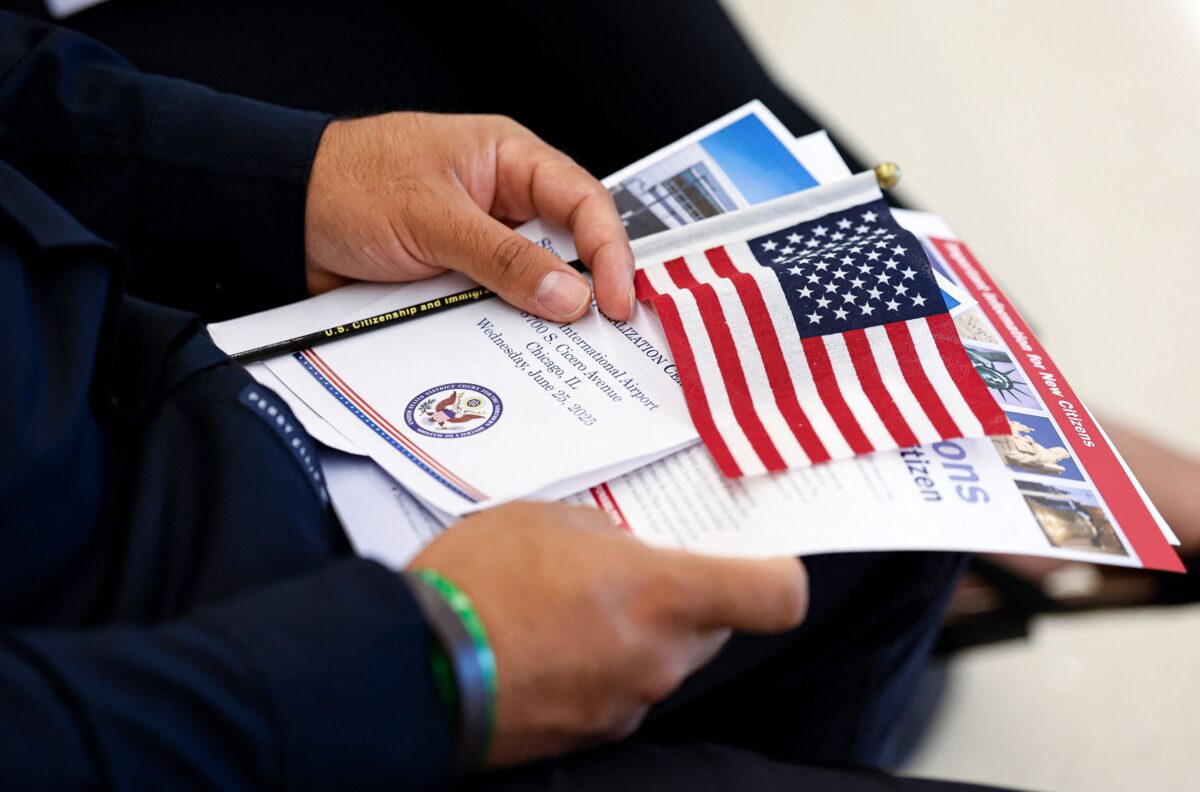
Naturalized U.S. citizens face increased scrutiny under new DOJ denaturalization efforts. Image Credit: Kamil Krzaczynski/AFP/Getty Images
The Trump administration is significantly expanding its efforts to revoke U.S. citizenship from certain naturalized Americans, launching one of the most aggressive denaturalization campaigns in recent history. According to Justice Department officials, the administration plans to file at least 250 denaturalization cases by October 2026, a dramatic increase compared to previous years.
The initiative is part of President Donald Trump’s broader immigration enforcement agenda and has sparked renewed debate over citizenship rights, immigration fraud, national security, and the legal safeguards protecting naturalized Americans.
While administration officials insist the effort is focused on individuals who allegedly obtained citizenship through fraud, critics warn that the expanded campaign could place millions of naturalized citizens under heightened scrutiny.
What Is Denaturalization and Why Is It Being Expanded?
Denaturalization is the legal process through which the federal government revokes U.S. citizenship from someone who was naturalized. Under federal law, citizenship can be revoked if authorities prove that an individual obtained it illegally or through material misrepresentation during the immigration and naturalization process.
The Department of Justice argues that denaturalization remains a lawful tool designed to preserve the integrity of the U.S. citizenship system.
Officials say many current cases involve allegations of identity fraud, undisclosed criminal histories, terrorism-related concerns, war crimes, or false statements made during citizenship applications.
The administration’s goal, according to DOJ representatives, is to ensure that only individuals who legally qualified for citizenship retain that status.
Justice Department Files Record Number of Cases
The latest figures reveal a sharp increase in denaturalization activity.
In less than two months of 2026, the Justice Department filed 29 denaturalization lawsuits. Historically, denaturalization has been relatively rare. Data cited by Syracuse University’s Transactional Records Access Clearinghouse indicates that between 2008 and June 2026, only 166 denaturalization complaints were filed nationwide.
The administration now aims to file at least 250 cases by October, a pace that far exceeds previous administrations.
To support the effort, the DOJ has reassigned attorneys from multiple divisions, including fraud investigations and other civil litigation units, to focus on denaturalization proceedings. U.S. Attorney offices across the country are also expected to handle additional cases.
Who Is Being Targeted?
According to Justice Department officials, the current focus remains on individuals accused of serious misconduct.
Priority categories include:
- Individuals accused of immigration fraud
- People who concealed criminal convictions
- Suspected terrorists or national security threats
- Individuals linked to war crimes or human rights abuses
- Applicants who allegedly used false identities
- Persons accused of withholding material facts during naturalization
Officials maintain that minor infractions such as traffic violations are not the focus of the initiative.
The administration argues that the cases being pursued involve substantial allegations of deception rather than technical paperwork mistakes.
READ ALSO
India-Born Naturalized Citizen Faces Denaturalization Lawsuit
One of the latest cases attracting attention involves an India-born naturalized U.S. citizen accused of obtaining immigration benefits under multiple identities.
Federal prosecutors allege that Balwinder Singh, who later became known as Jaswinder Singh, concealed his identity and immigration history while pursuing permanent residency and eventually U.S. citizenship.
The civil complaint seeks to revoke his citizenship on grounds that he allegedly secured immigration benefits through deception and misrepresentation.
The case illustrates the type of fraud-related allegations that federal authorities say they are prioritizing under the expanded initiative.
Legal Experts Raise Questions About Scope
Immigration attorneys and legal scholars acknowledge that denaturalization is legally permitted but note that courts have traditionally imposed strict standards before citizenship can be revoked.
Because citizenship is considered one of the most significant legal rights in the United States, the government must typically present clear and convincing evidence to prevail in court.
Some experts caution that rapidly increasing the number of cases may create significant legal challenges.
Others note that the denaturalization cases filed so far largely resemble those pursued by prior administrations, particularly cases involving alleged fraud, criminal conduct, terrorism, or identity deception.
What Happens If Citizenship Is Revoked?
If a federal court grants a denaturalization request, the individual loses U.S. citizenship and generally returns to their previous immigration status.
In many situations, that means reverting to lawful permanent resident status. However, depending on the underlying allegations, the person could subsequently face removal proceedings and possible deportation.
Importantly, denaturalization does not apply to Americans who acquired citizenship by birth in the United States. The current initiative focuses exclusively on naturalized citizens.
Growing Debate Over Citizenship and Immigration Enforcement
The administration’s denaturalization push is likely to remain a major immigration issue heading into the coming months.
Supporters argue that revoking fraudulently obtained citizenship protects the integrity of the immigration system and strengthens national security. Critics contend that a substantial expansion of denaturalization efforts could create uncertainty among millions of naturalized Americans.
As federal courts begin reviewing a growing number of cases, the outcomes may shape future immigration enforcement policies and define the limits of government authority over citizenship status for years to come.
FAQ
What is denaturalization?
Denaturalization is the legal process through which the U.S. government revokes citizenship from a person who became a citizen through naturalization. It typically occurs when citizenship was allegedly obtained through fraud, concealment, or misrepresentation.
Can the U.S. government revoke citizenship?
Yes. Federal law allows the government to revoke citizenship obtained through naturalization if it can prove the person was not legally eligible or provided false information during the process.
Can someone born in the United States lose their citizenship through denaturalization?
No. Denaturalization only applies to naturalized citizens. Individuals who acquired citizenship through birth in the United States are not subject to denaturalization proceedings.
Why is the Trump administration increasing denaturalization cases?
The administration says the goal is to protect the integrity of American citizenship by identifying individuals who allegedly obtained citizenship unlawfully through fraud, criminal concealment, identity deception, or national security-related misconduct.
How many denaturalization cases does the DOJ plan to file?
According to Justice Department officials, the administration intends to file at least 250 denaturalization cases by October 2026.
What types of cases are being prioritized?
The DOJ says it is prioritizing cases involving:
- Immigration fraud
- Identity fraud
- Terrorism-related concerns
- War crimes
- Undisclosed criminal convictions
- Serious misrepresentations during naturalization
What happens if someone is denaturalized?
If citizenship is revoked, the individual typically returns to the immigration status they held before becoming a citizen, often lawful permanent resident status. In some cases, deportation proceedings may follow.
Is denaturalization common in the United States?
No. Historically, denaturalization has been rare. Prior administrations generally focused on cases involving war criminals, terrorists, and individuals accused of significant fraud.
What is the Balwinder Singh or Jaswinder Singh case?
Federal prosecutors allege that an India-born naturalized citizen obtained immigration benefits under different identities and concealed key information. The government is seeking to revoke his citizenship through a civil lawsuit.
Can citizenship be revoked for paperwork mistakes?
Generally, courts require proof of material misrepresentation or significant fraud. Minor errors or innocent mistakes typically do not meet the legal standard required for denaturalization.
How many naturalized citizens live in the United States?
Millions of Americans are naturalized citizens. According to federal immigration data, nearly 8 million people became naturalized U.S. citizens over the last decade.
Does denaturalization automatically lead to deportation?
No. Losing citizenship does not automatically result in deportation. However, depending on the circumstances of the case, immigration authorities may later initiate removal proceedings.
Are current denaturalization cases focused on serious fraud?
According to Justice Department officials, current efforts are focused on individuals accused of serious fraud, concealed criminal conduct, identity deception, terrorism-related activity, or other significant violations connected to the citizenship process.
Can a denaturalization decision be appealed?
Yes. Individuals facing denaturalization generally have the right to defend themselves in federal court and appeal unfavorable rulings through the judicial system.
Why is this issue receiving national attention?
The administration’s plan to dramatically increase denaturalization cases represents one of the largest citizenship enforcement efforts in recent decades, raising important questions about immigration policy, legal protections, and the future of naturalized citizenship in America.