

Judge Angel Kelley orders Trump Administration to restore National Park exhibits, calls removal of history displays ‘dangerous censorship’

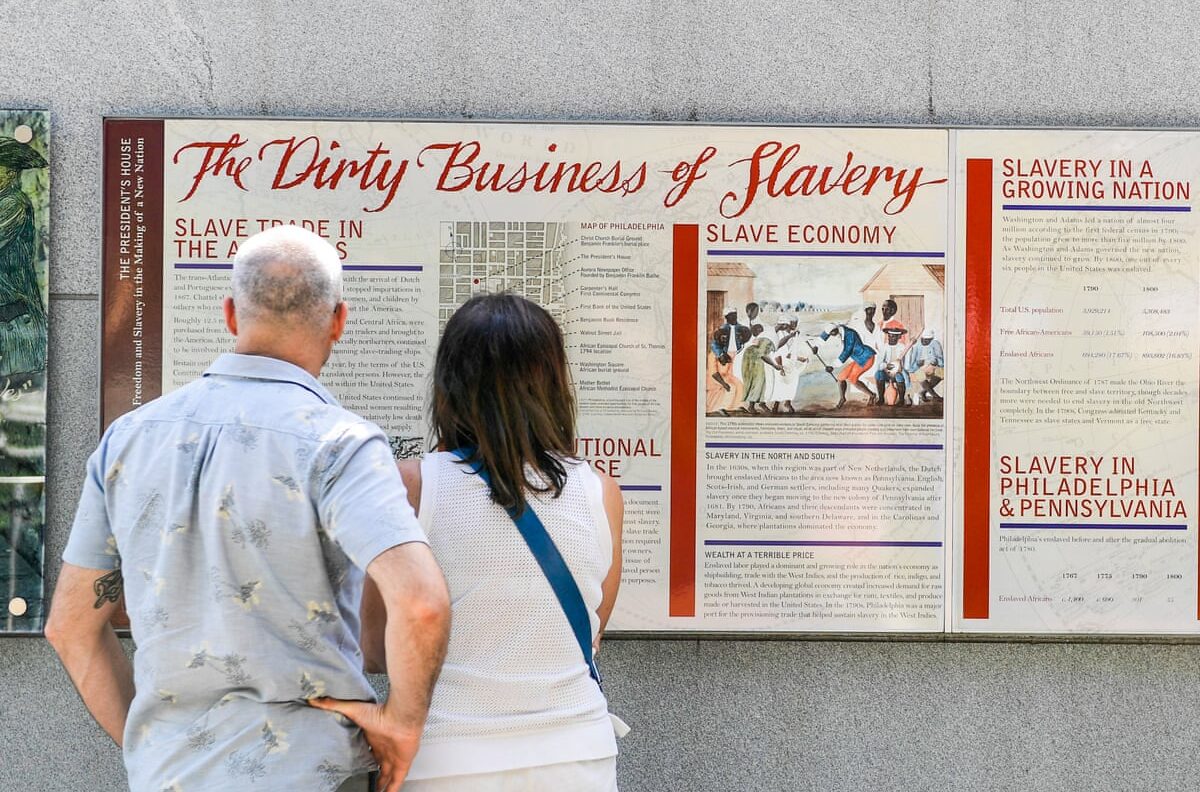
Judge Angel Kelley ordered the restoration of national park exhibits removed under a Trump administration directive. Image Credit: Matthew Hatcher/Getty Images
A federal judge has delivered a significant setback to the Trump administration’s efforts to reshape how American history is presented in national parks, ordering the restoration of exhibits and educational materials that were removed under a controversial executive directive.
In a sweeping ruling issued on June 12, U.S. District Judge Angel Kelley temporarily blocked the National Park Service from removing or altering signs, films, plaques and exhibits that officials believed portrayed the United States in a negative light. The decision immediately halted enforcement of a policy that had sparked widespread criticism from historians, conservation groups and civil rights advocates.
The ruling is being viewed as one of the most consequential legal challenges involving public history and historical interpretation during President Donald Trump’s second term.
What Prompted the National Parks Lawsuit?
The dispute stems from an executive order signed by President Trump directing federal agencies to remove materials that allegedly “inappropriately disparage Americans” or present what the administration described as a distorted version of American history.
Following the directive, several exhibits across the National Park System were removed or altered. Among the affected displays were materials discussing slavery at Philadelphia’s Independence National Historical Park, climate change information at South Carolina’s Fort Sumter, and exhibits focused on Indigenous history at Maine’s Acadia National Park.
A coalition of preservation organizations, historians and park advocates subsequently filed a lawsuit, arguing that the removals violated federal law and undermined the educational mission of the National Park Service.
Judge Angel Kelley Criticises Removal of Historical Materials
In her 63-page decision, Judge Kelley sharply criticised the administration’s actions, arguing that the effort amounted to a selective rewriting of history.
The judge wrote that national parks serve as places where Americans can learn about the nation’s achievements and failures alike. She emphasised that visitors deserve access to a complete historical record rather than a version filtered through political preferences.
According to the ruling, the administration’s actions risked creating a “dangerous precedent of censorship and sanitization” by eliminating historical information that did not align with a preferred narrative.
Judge Kelley highlighted several national parks that preserve difficult chapters of American history, including sites connected to abolition, civil rights movements, Indigenous communities and environmental change.
READ ALSO
National Park Service Ordered to Restore Exhibits Within 21 Days
As part of the ruling, the National Park Service was instructed to restore any removed or altered exhibits within three weeks.
The decision temporarily prevents additional changes while the broader lawsuit continues through the courts.
Following the ruling, internal guidance reportedly instructed park officials to pause implementation of the executive order. Parks may continue submitting materials for review, but no further removals or alterations are expected until additional legal guidance is provided.
The order affects national parks and historic sites across the United States, potentially leading to the reinstatement of numerous exhibits removed over the past year.
Trump Administration Signals Potential Appeal
The Interior Department, which oversees the National Park Service, quickly criticised the ruling and indicated it is considering its legal options.
Administration officials argued that the executive order was intended to promote what they describe as a more accurate presentation of American history. Supporters of the directive have maintained that some exhibits emphasised national shortcomings while downplaying achievements.
However, critics contend that removing references to slavery, civil rights struggles, Indigenous experiences and climate science distorts historical understanding and undermines public education.
The legal battle is expected to continue in federal court, with appeals likely in the coming months.
Why the Ruling Matters
The case extends far beyond individual park exhibits. At its core, the dispute centers on who determines how American history is presented in public institutions.
National parks serve millions of visitors annually and function as educational spaces that interpret pivotal events, people and movements. Historians argue that preserving complex narratives, including uncomfortable truths, is essential to understanding the nation’s development.
Judge Kelley’s decision reinforces the principle that historical interpretation should not be shaped solely by political priorities. While the lawsuit remains ongoing, the ruling represents a major victory for groups seeking to preserve comprehensive historical storytelling within America’s national parks.
As the legal fight moves forward, the outcome could influence how federal institutions present history for years to come.
FAQ
Who is Judge Angel Kelley?
Judge Angel Kelley is a federal judge serving on the U.S. District Court for the District of Massachusetts. She was nominated by former President Joe Biden and confirmed to the federal bench.
What did Judge Angel Kelley rule?
Judge Kelley temporarily blocked the National Park Service from removing or altering historical exhibits under a Trump administration directive and ordered previously removed materials to be restored within 21 days.
Why were national park exhibits removed?
The removals were linked to an executive order directing agencies to eliminate materials that allegedly portrayed the United States negatively or were considered inconsistent with the administration’s interpretation of American history.
What exhibits were affected?
Affected materials included exhibits discussing slavery, civil rights history, Indigenous communities, and climate change at several national parks across the United States.
Did Judge Kelley order exhibits to be restored?
Yes. The ruling requires the National Park Service to restore removed or altered exhibits within three weeks while litigation continues.
What parks were specifically mentioned in the ruling?
The ruling referenced Independence National Historical Park in Pennsylvania, Fort Sumter in South Carolina, Acadia National Park in Maine, Glacier National Park, Stonewall National Monument and other historic sites.
Why is the ruling significant?
The decision addresses broader concerns about censorship, historical interpretation and the role of federal agencies in presenting American history to the public.
Can the Trump administration appeal the ruling?
Yes. Administration officials have indicated they are reviewing appeal options, meaning the legal battle could continue in higher courts.
What is the National Park Service lawsuit about?
The lawsuit argues that removing historical exhibits was unlawful, arbitrary and harmful to the educational mission of national parks.
How does this affect visitors to national parks?
If the ruling remains in place, visitors will continue to have access to exhibits covering a wide range of historical topics, including slavery, civil rights, Indigenous history and environmental issues.
Are national parks required to present controversial history?
National parks are tasked with preserving and interpreting American history. Historians argue that this responsibility includes presenting both achievements and difficult chapters of the nation’s past.
When must the National Park Service comply?
Under Judge Kelley’s order, the agency has 21 days to restore removed or altered exhibits while the case proceeds through the courts.