

Joan Lunden alleges TV boss propositioned her and sabotaged her career: Explosive memoir reveals 1975 newsroom scandal

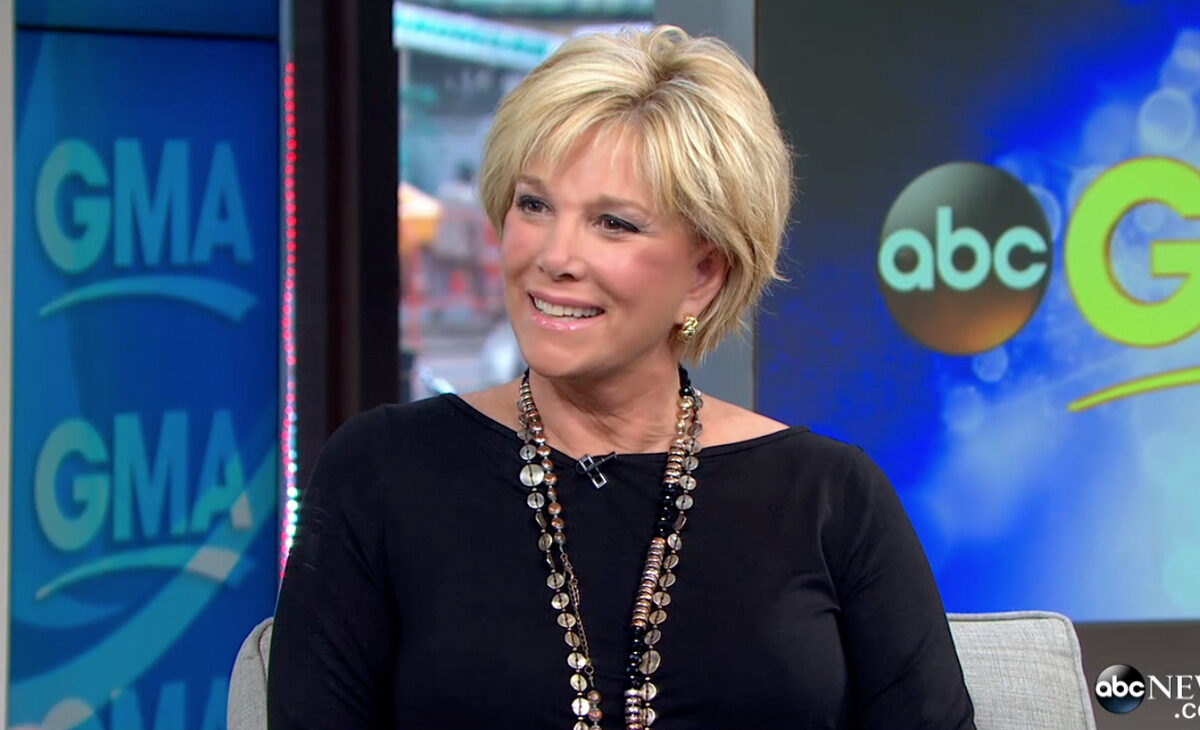
Joan Lunden GMA – 2014
Veteran television journalist Joan Lunden is speaking out about a disturbing episode from the early days of her career, alleging that a powerful television executive propositioned her and retaliated professionally when she rejected his advances.
In her newly released memoir, Joan: Life Beyond the Script, the former Good Morning America co-anchor recounts an incident dating back to 1975 while she worked at New York’s WABC-TV. The revelations shed light on workplace harassment in broadcast journalism decades before the #MeToo movement reshaped public discourse.
At 75, Lunden is revisiting a chapter she says changed her trajectory, and nearly derailed her career before it truly began.
The Fire Island Invitation That Wasn’t What It Seemed
According to Lunden’s account, she had recently joined WABC-TV’s Eyewitness News in 1975 when a senior colleague, referred to pseudonymously as “Ted”, invited her to what was described as a team gathering on Fire Island.
Believing it to be a professional networking opportunity, Lunden accepted. But upon arrival, she discovered only four people were present, including a reporter from WCBS and his girlfriend, turning what she thought was a newsroom social event into what appeared to be an attempted overnight double date.
Lunden writes that she felt “embarrassed,” “naive,” and “offended” that a superior believed he could leverage his authority in such a manner. When pressured to share a bedroom, she instead spent the night on a living room sofa and left early the next morning.
The episode, she says, marked a turning point.
“He Started Killing My Stories”: Alleged Retaliation at WABC-TV
After returning to work that Monday, Lunden alleges the newsroom dynamic shifted dramatically. The executive she rejected began “killing” her stories, preventing them from making the broadcast lineup.
At the time, television reporters were compensated with a base salary plus additional pay per story aired. By blocking her segments, she claims, he directly affected both her professional standing and her income.
“I felt vulnerable and helpless,” Lunden writes. Colleagues noticed her reports were not airing, and rumors circulated about her Fire Island trip, damaging her credibility in an already competitive newsroom environment.
The alleged retaliation, she says, lasted for months.
Legal Threat That Ended the Behavior
Eventually, Lunden decided to confront her superior directly. She recounts scheduling a private meeting and informing him she had consulted both her agent and a lawyer regarding potential sexual harassment and discrimination claims.
She told him she was prepared to file a lawsuit against both him and WABC-TV if the retaliation continued.
According to her memoir, the warning had immediate effect. The alleged story suppression stopped, and her work resumed normal placement in broadcasts.
“I felt vindicated,” she writes, adding pointedly decades later: “I hope he’s reading this.”
From Setback to Stardom: Rise at Good Morning America
Despite the early-career turbulence, Lunden’s trajectory soared. In 1979, she joined Good Morning America, eventually becoming the longest-running female co-host in the program’s history.
She anchored alongside David Hartman and later Charlie Gibson, remaining with the show until 1997. Over her 17-year tenure, Lunden became a household name in American broadcast journalism.
Her memoir suggests that systemic sexism persisted throughout much of her career. When she departed GMA at age 47, she later indicated that industry pressures regarding age and appearance played a role, a common challenge faced by women in television news at the time.
Why Joan Lunden’s Story Resonates in 2026
The release of Joan: Life Beyond the Script arrives amid ongoing conversations about workplace misconduct in media and entertainment.
Lunden’s decision to publicly detail the incident more than five decades later underscores how long such experiences remained unspoken in professional environments.
Her story highlights broader themes of power imbalance, retaliation, and resilience in journalism, particularly during the 1970s and 1980s, when formal protections and reporting mechanisms were limited.
By naming the behavior and documenting its impact, Lunden joins a growing list of prominent women reflecting on past workplace injustices, reframing personal setbacks as part of a larger cultural reckoning.
FAQ
What did Joan Lunden reveal in her 2026 memoir?
In Joan: Life Beyond the Script, Joan Lunden alleges that a senior television executive propositioned her in 1975 and retaliated by preventing her stories from airing after she rejected him.
Who was the TV boss Joan Lunden accused?
Lunden refers to the executive pseudonymously as “Ted” in her memoir. She does not publicly name him in the book.
What happened at WABC-TV in 1975?
Lunden says she was invited to what she believed was a professional gathering on Fire Island, which turned into an uncomfortable overnight situation. After refusing her superior’s advances, she claims he began sabotaging her work.
How did Joan Lunden stop the retaliation?
She confronted the executive and warned she was prepared to file a sexual harassment and discrimination lawsuit. According to her account, the retaliation ended immediately.
When was Joan: Life Beyond the Script released?
The memoir was released on March 3, 2026.
How long was Joan Lunden on Good Morning America?
Joan Lunden co-anchored Good Morning America from 1979 to 1997, making her one of the longest-running hosts in the show’s history.
Why is Joan Lunden’s story significant today?
Her allegations contribute to ongoing discussions about workplace harassment, media industry power dynamics, and gender inequality in broadcast journalism.