

INTERVIEW: Most violent crimes committed by South Africans — public perception, others fuelling anti-migrant violence – Tulani Ngwenya

As anti-migrant protests sweep across South Africa’s major cities under the banner of the “March and March” movement, the country finds itself at a familiar but increasingly urgent crossroads. With a deadline of June 30, 2026, set for undocumented migrants to leave, and social media amplifying both outrage and misinformation at unprecedented speed, the current wave of mobilisation feels distinct from previous episodes of xenophobic violence — more organised, more sustained, and more politically charged. The stakes, for foreign nationals and South Africans alike, have rarely felt higher.
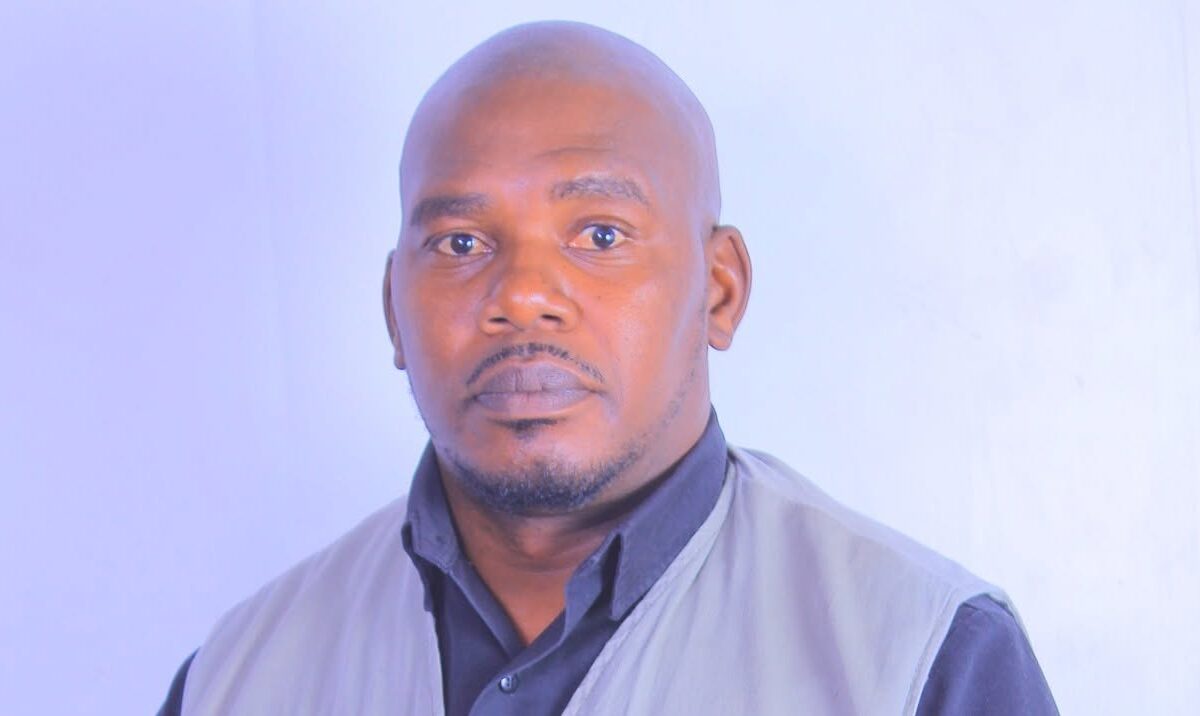
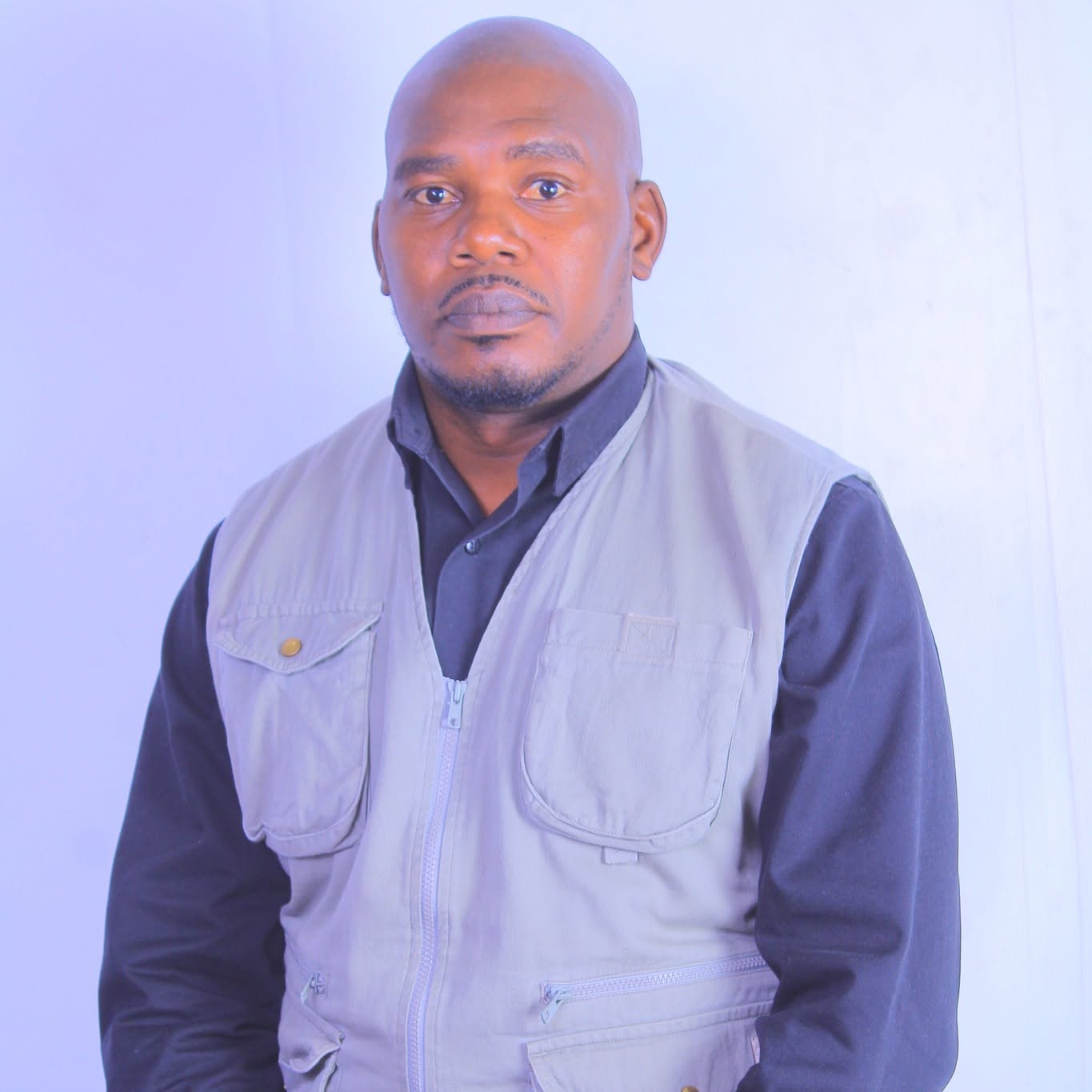
To make sense of this moment, CRISPNG turned to Tulani Ngwenya, an investigative journalist and editor based in South Africa with extensive experience covering governance, social inequality, and migration. With a career built on interrogating the gap between political rhetoric and lived reality, Ngwenya brings a sharp, evidence-grounded lens to one of the country’s most divisive debates — one that touches on crime, unemployment, regional diplomacy, and the enduring failures of the post-apartheid state.
In this wide-ranging conversation, Ngwenya unpacks what is driving the current protests, how much of the anti-migrant narrative holds up to scrutiny, and why South Africa keeps cycling through the same crisis without resolution. He also challenges international media to look beyond simplistic framings and makes the case for a more honest, comprehensive national reckoning with immigration — one that protects human dignity without dismissing legitimate concerns about governance and service delivery.
CRISPNG: The recent anti-migrant protests have once again brought South Africa’s immigration debate into the spotlight. From your perspective, what distinguishes this latest wave of protests from previous episodes of anti-foreigner mobilisation?
Tulani Ngwenya: This wave is distinguished by its organised, sustained mobilisation with a specific ultimatum, June 30, 2026, for undocumented migrants to leave. It is coordinated across cities like Durban, Johannesburg, and Pretoria under the “March and March” movement. Unlike the sporadic outbreaks of 2008, 2015, or 2019, which were often tied to immediate local triggers, this wave features digital amplification, explicit deadlines, and alignment with groups like Operation Dudula. Anti-immigrant rhetoric has gained traction in mainstream political discourse, framed as “anti-illegal immigration” rather than overt xenophobia, though violence persists. Government responses include police and military deployments, but critics note insufficient accountability for vigilante actions. High unemployment, inequality, and post-COVID frustrations amplify the protests, but the structured “deadline” and social media coordination mark a shift toward sustained pressure campaigns.
CRISPNG: Many protest organisers argue that undocumented migrants are responsible for rising crime, unemployment, and pressure on public services. How much of these claims are supported by evidence, and how much is driven by political rhetoric or public perception?
Tulani Ngwenya: Evidence is mixed and often overstated. Foreign-born residents comprise about 3.9–5% of the population. Crime data shows foreign nationals are overrepresented in some hotspots, but nationally they make up 7–10.5% of prison populations, roughly aligning with their population share. Most violent crime is committed by South Africans. Studies find no evidence that foreigners commit “most” crimes; socioeconomic factors dominate. On unemployment, OECD/ILO studies show immigrants boost GDP, raise per capita income, and create jobs, often employing locals. They have a net positive fiscal impact. Service pressures exist in strained townships, but these stem largely from governance failures. Migrants contribute taxes and fill labour gaps. Public perception, however, strongly links migrants to problems, outpacing statistical evidence. Political rhetoric amplifies these narratives.
CRISPNG: South Africa has witnessed repeated outbreaks of xenophobic violence over the years despite government interventions. Why do you think the country continues to struggle with this recurring cycle?
Tulani Ngwenya: The cycle persists because structural drivers remain unaddressed: extreme inequality, high unemployment, apartheid-era spatial legacies, weak institutions, and elite failure to deliver post-1994 promises. Scapegoating fills the vacuum of accountability. Government interventions are often reactive, under-enforced, or undermined by corruption. Impunity for perpetrators erodes trust. Political opportunism normalises anti-foreigner rhetoric. Social psychology research links xenophobia to relative deprivation and frustration-aggression, where hopelessness channels toward visible outsiders. Without sustained economic inclusion, border reform, and integration policies, the cycle repeats.
CRISPNG: Social media has played a significant role in shaping narratives around migrants. How has online misinformation, activism, and political messaging influenced public attitudes during the current protests?
Tulani Ngwenya: Social media has accelerated mobilisation. Platforms amplify unverified claims, viral videos, and coordinated campaigns like #PutSouthAfricansFirst. In 2026, networks have turned grief and outrage into anti-migrant mobilisation, spreading misinformation rapidly. These platforms lower barriers for vigilante organising, create echo chambers, and pressure politicians. While social media also documents abuses, its overall effect has been to intensify polarisation and reinforce stereotypes, exploiting real anxieties in low-trust environments.
CRISPNG: What role have political parties, civic organisations, and government officials played in either calming tensions or contributing to the anti-migrant sentiment currently being witnessed?
Tulani Ngwenya: Civic groups like March and March and Operation Dudula channel genuine grievances but often cross into vigilantism, with authorities slow to intervene. Some opposition parties amplify rhetoric for electoral gain. President Ramaphosa has condemned scapegoating and outlined strategies such as biometric registration and employer penalties, but critics argue these reactive policies legitimise demands without tackling root causes. Past inflammatory statements by officials have also fuelled sentiment. Civic organisations can calm tensions through dialogue, but unchecked mobilisation risks escalation. Weak enforcement and political triangulation sustain the problem.
CRISPNG: Beyond the immediate impact on foreign nationals, what long-term consequences could these protests have for South Africa’s economy, regional leadership, and diplomatic relations with other African countries?
Tulani Ngwenya: Economically, disruptions to informal trade and foreign-owned shops mean job losses for South Africans too, reduced investment, and tourism hits. Retaliatory actions abroad, such as boycotts or attacks on South African businesses, damage regional supply chains and deter foreign direct investment. Regionally, repatriations by neighbours harm diplomacy and strain SADC/AU relations. Diplomatically, xenophobia erodes South Africa’s “rainbow nation” image, invites international scrutiny, and risks sanctions or reduced cooperation. Domestically, it deepens social divisions and governance distrust.
CRISPNG: As an investigative journalist who has covered governance and social issues, what stories or perspectives do you believe international media often overlook when reporting on xenophobia and migration in South Africa?
Tulani Ngwenya: International coverage often frames xenophobia simplistically as “Afrophobia” or racism, underplaying legitimate frustrations with porous borders, asylum abuse, and governance failures. Overlooked perspectives include migrants’ net contributions to GDP and employment, intra-African migration dynamics, South Africans’ own internal migration stresses, and successful integration stories. Elite corruption and policy incoherence are also key drivers of scapegoating. Balanced reporting should address both rights protection and sustainable immigration management.
CRISPNG: Looking ahead, what practical measures should the South African government, civil society, regional bodies, and the media prioritise to address legitimate concerns about immigration while preventing xenophobia and protecting the rights and dignity of all people living in the country?
Tulani Ngwenya: The government should pursue evidence-based immigration reform, streamline legal pathways for skills and labour needs, implement biometric ID systems, and tackle corruption in Home Affairs. Service delivery must be targeted in high-tension areas, and vigilantism must be prosecuted. Civil society should expand community dialogues, fact-checking campaigns, and integration programs. Regional bodies like SADC and the AU should harmonise migration protocols and labour agreements. The media must report responsibly, prioritising data-driven narratives and constructive debate. A comprehensive approach is needed: protect rights while managing migration sustainably.