

ANC vs IEC: Why 181 candidates in 6 municipalities are hanging on an electoral court ruling

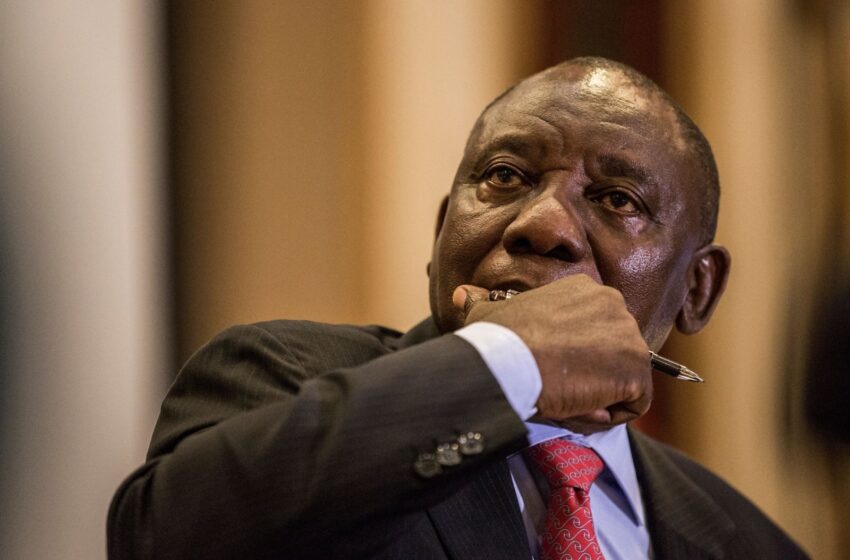
South Africa President Cyril Ramaphosa
South Africa’s Electoral Commission (IEC) is publishing its final list of candidates contesting seats in municipal councils today, even as the ANC waits to hear whether an Electoral Court challenge will force the inclusion of candidates it failed to formally submit in six municipalities before the deadline.
What the IEC Is Doing Today
Political parties and independent candidates had until 28 August to submit their candidate lists ahead of the upcoming local government elections. Those lists carry the names of everyone seeking to become a councillor once the polls are held. With that deadline long passed, the Commission is proceeding with its published timetable and releasing the final list of approved candidates today, alongside a media briefing to update the public on broader election preparations.
Publication isn’t the end of the road for the lists themselves. Once they’re out, political parties and ordinary South African citizens get a window to formally object to the candidate lists or challenge the inclusion of specific individuals. From there, the IEC’s timetable moves toward issuing certificates of candidacy to approved candidates on 25 September.
The ANC’s Case: A System That Failed, Not a Deadline Missed
Running in parallel to the publication is the ANC’s unresolved fight over candidate lists in six municipalities spread across KwaZulu-Natal, the Free State, and the Eastern Cape. The party’s position is that a technical problem with the IEC’s online submission system is what kept those lists from going through properly — not any failure on its own part to prepare or upload the required information in time.
According to the ANC’s account, the details of all 181 candidates affected by the issue had already been captured on the Commission’s system by the cut-off hour. The party’s legal team argued in court that uploading the information was, in itself, sufficient to signal its intention to have those candidates participate, and that neither the municipal electoral law nor its regulations actually require a separate “submit as final” action to lock in a list once the underlying data is already on the system.
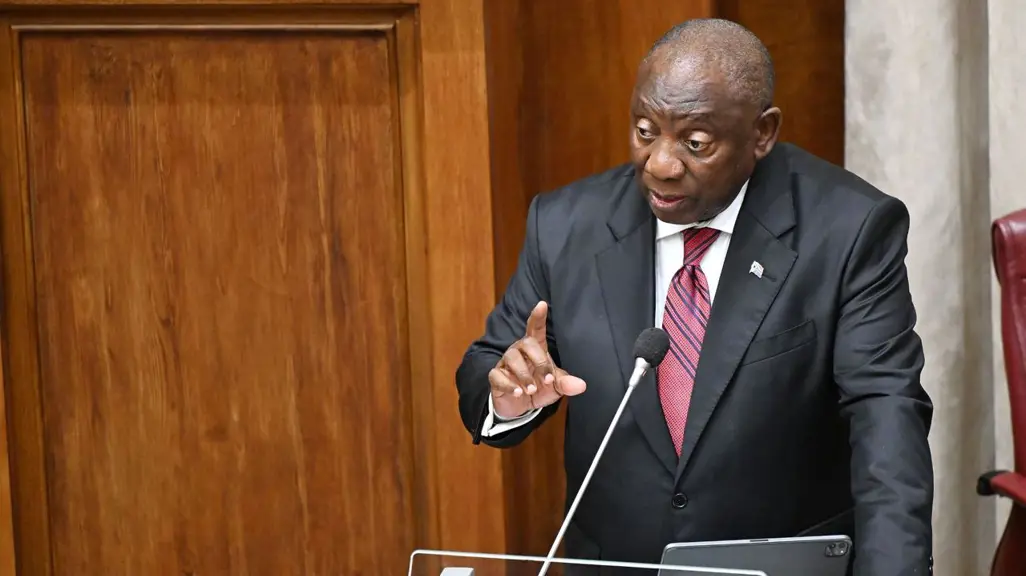
ANC advocate Daniel Berger told the Electoral Court that information which has already been entered doesn’t disappear just because a final confirmation step wasn’t completed: applicants can go back and amend details, and whatever sits on the Commission’s system stays there rather than vanishing. The party has been explicit that its case is not an attempt to add new candidates who weren’t already in the process — only to have the 181 individuals whose details were already captured be allowed to contest.
When pressed by a member of the bench on why the party did press the “submit as final” button successfully for its other municipalities if it genuinely disputes that step is legally required, Berger’s response was that the party did try to press it for the six affected municipalities too, but that the button simply didn’t work — a failure he said may have originated on the ANC’s own side, though the party says it doesn’t know for certain.
The IEC’s Case: The System Worked, the Party Didn’t Finish
The Electoral Commission’s version of events is starkly different. The IEC disputes that any technical glitch occurred at all, maintaining instead that the ANC simply failed to complete the final submission process required to lock in its candidate lists. In the Commission’s telling, there’s nothing ambiguous about what “submitted” means under the process it runs, and the ANC’s six affected municipalities never reached that completed state by the time the window closed.
That position was reinforced from the bench itself during the hearing. When Judge Lebogang Modiba weighed the ANC’s explanation for why the “submit as final” step failed, she indicated the court could not accept that version of events given that the version put before it was that the system had, in fact, been functional at the relevant time. Separately, Professor Moses Phooko, also on the bench, pressed the ANC on the apparent inconsistency between its claim that a final submission click isn’t a legal requirement, and the fact that the party did successfully click that same button to finalise its lists in every other municipality where it’s contesting the polls.
Where Things Stand
The Electoral Court reserved judgment after hearing submissions from both legal teams, with the presiding judge describing the matter as a difficult one to decide. That judgment is due to be handed down today, the same day the IEC is publishing its final candidate lists — meaning the ruling could land before, alongside, or shortly after the published lists themselves, depending on timing. The court has indicated that detailed reasons for its decision will follow the ruling itself, rather than accompanying it immediately.
The stakes for the ANC are concrete: if the court sides with the party, the 181 candidates in the six affected municipalities would be restored to contention for the November polls. If the IEC’s position prevails, those candidates remain excluded, and the party’s representation on some Eastern Cape, KwaZulu-Natal, and Free State municipal councils would be shaped accordingly by their absence from the ballot.
What Comes Next for Voters and Parties
Regardless of how the Electoral Court rules on the ANC’s specific six municipalities, the broader candidate-list process continues on its own track. Once today’s final lists are out, the objection window opens for anyone — parties or individual citizens — who wants to formally challenge a candidate’s inclusion, before the Commission moves to issue certificates of candidacy on 25 September. That step effectively locks in who will appear on the ballot papers for the local government elections in November.
FAQ
When did the IEC publish the final list of municipal election candidates? The IEC published the final candidate lists on 16 September 2026, following the 28 August deadline for political parties and independent candidates to submit their lists.
Why is the ANC before the Electoral Court over candidate lists? The ANC argues that a technical glitch in the IEC’s online submission system prevented it from completing the final “submit” step for candidate lists in six municipalities, even though it says the underlying candidate details were already captured on the system.
Which municipalities are affected by the ANC’s Electoral Court case? The party says the issue affects six municipalities spread across KwaZulu-Natal, the Free State, and the Eastern Cape, involving a total of 181 candidates.
What does the IEC say happened with the ANC’s submission? The IEC disputes that any technical glitch occurred, maintaining that the ANC simply failed to complete the required final submission process for those six municipalities within the deadline.
When will the Electoral Court rule on the ANC’s case? The court reserved judgment after hearing both sides, with a ruling expected on 16 September 2026 and detailed written reasons to follow afterward.
What happens after the final candidate lists are published? Political parties and citizens get a window to object to the published lists or challenge specific candidates, after which the IEC plans to issue certificates of candidacy to approved candidates on 25 September.
Is the ANC trying to add new candidates through this court case? No. The party has stated its case is limited to restoring the 181 candidates whose details it says were already captured on the IEC’s system before the deadline, not adding anyone new to the process.