
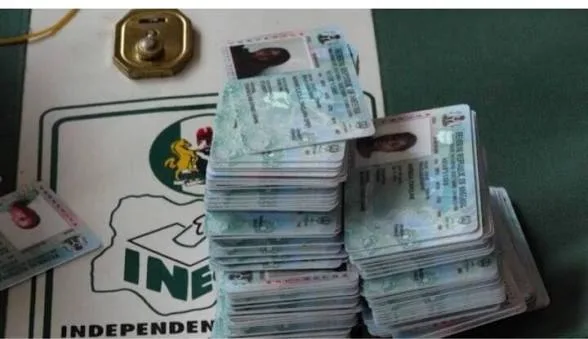
Nigerians preparing to vote in the 2027 general elections do not necessarily need a new Permanent Voter Card (PVC) if they registered in previous years. The Independent National Electoral Commission (INEC) says previously issued PVCs remain valid and do not expire simply because they are old.
However, having an old card does not remove the need to confirm that your voter registration details are still on INEC’s database. Voters should also check whether their cards are damaged or missing before election day.
Here are the checks Nigerians can carry out to know if their PVC is still valid.
1. Check your voter registration status online
The first step is to confirm that INEC still recognises you as a registered voter.
The commission provides a Voter Verification Service where registered voters can check their details.
You can search using your name and date of birth or your Voter Identification Number (VIN). The portal requests your state and local government of registration, alongside the relevant personal details.
If your information appears in the database, you can confirm that your registration record is available. If the portal does not return your details, contact INEC through its official channels for clarification rather than registering again.
2. Check the physical condition of your PVC
INEC has clarified that PVCs do not have an expiry date. In January 2022, the commission said cards issued in previous years remained valid as long as their security chips were not damaged.
The commission also warned against unnecessary double registration. A voter who has already registered should not enrol again simply because the card is old.
A defaced or worn card does not automatically mean the holder has lost their registration. However, a broken card or damaged security chip may require replacement.
INEC National Commissioner Festus Okoye also explained in 2022 that a defaced PVC did not cancel the holder’s registration, although obtaining a replacement was advisable.
3. Confirm that your card details match your records
Check the name and other identifying information printed on your PVC. Make sure they correspond with your registration details.
If you have changed your name or other personal information, INEC provides an information update service through its Continuous Voter Registration portal.
Registered voters can also use the portal to request a transfer to another polling unit when they have relocated.
4. Apply for a replacement if your PVC is lost or damaged
You do not need to register as a new voter simply because you lost your PVC or damaged it.
INEC allows registered voters to request replacement cards through its official CVR portal.
The portal provides separate services for lost and damaged cards. Applicants are required to retrieve their existing registration records and follow the replacement process.
This is important because the replacement request is tied to the voter’s existing registration. It is not a fresh registration.
5. Remember that you still need your physical PVC to vote
Confirming your registration online is not a substitute for presenting your PVC at the polling unit.
INEC’s election-day guidelines state that voters must bring their physical cards for scanning and accreditation. The Bimodal Voter Accreditation System (BVAS) then verifies the voter’s identity using fingerprints or facial recognition.
The commission maintains a strict no-PVC, no-voting policy. Voters must also go to their assigned polling units.
Therefore, Nigerians holding PVCs issued years ago should not assume their cards have expired. They should confirm their registration details, inspect the card’s condition and request a replacement where necessary.
With preparations for the 2027 elections underway, these checks can help voters avoid preventable problems on election day.