

Germany Hikes Minimum Wage to €13.90: See 5 Categories Not Covered

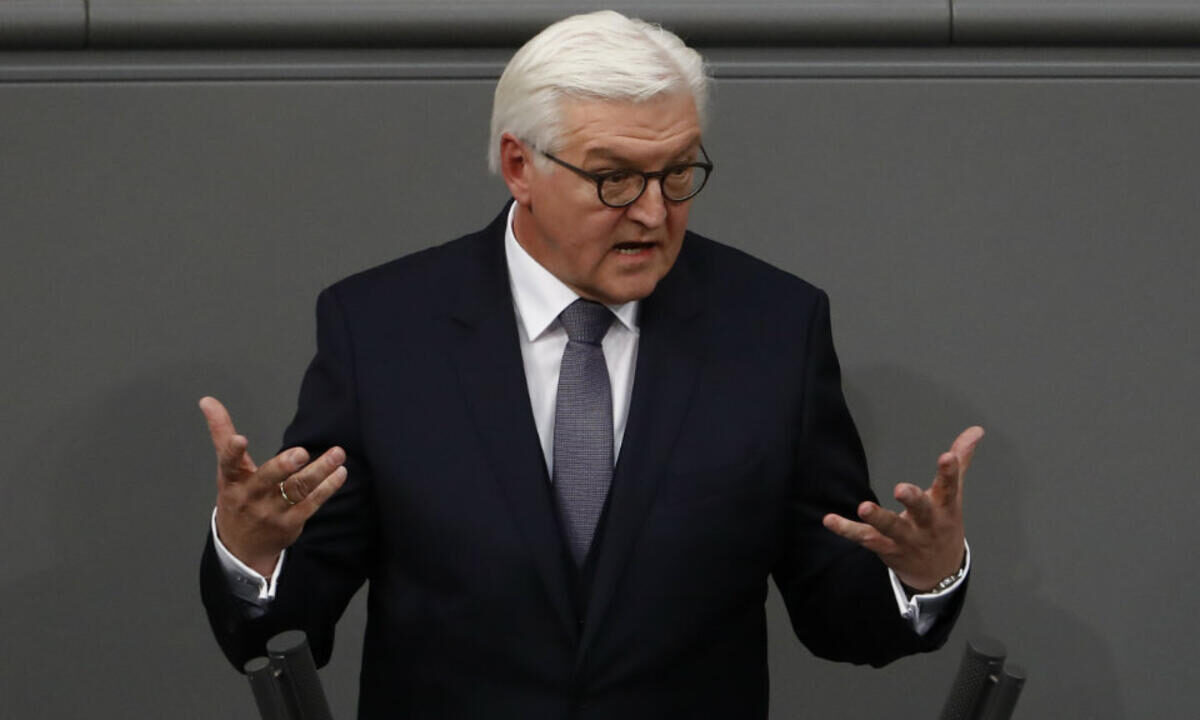
President of Germany, Frank-Walter Steinmeier
Germany has increased its statutory minimum wage to €13.90 per hour, with the new rate taking effect from January 1, 2026.
The increase means eligible workers in Germany must receive at least €13.90 gross for every hour worked, regardless of their nationality.
The German Federal Ministry of Labour and Social Affairs confirmed that the statutory wage floor applies broadly to employees, including foreign workers, seasonal employees and people working in mini-jobs.
Germany Sets New Minimum Wage for Workers
Germany introduced its statutory minimum wage on January 1, 2015, and has periodically adjusted the rate.
The minimum wage was raised to €13.90 gross per hour in 2026, equivalent to roughly ₦23,893 based on the exchange rate cited in the report.
The rate is scheduled to rise again to €14.60 per hour from January 1, 2027, which is approximately ₦25,092 at the cited exchange rate.
The statutory minimum wage is calculated based on the hours actually worked during the relevant pay period.
Who Is Entitled to Germany’s Minimum Wage?
The wage floor generally applies to employees working in Germany, irrespective of nationality or the nature of their employment.
This means foreign workers, including Nigerians legally employed in Germany, can be entitled to the statutory minimum wage if they fall within the covered categories.
The rules also cover:
- Part-time employees
- Mini-jobbers
- Seasonal workers
- Employees working for foreign employers in Germany
- Workers employed by German companies
The entitlement applies to each hour actually worked, including qualifying overtime.
When Must Employers Pay the Minimum Wage?
Employers are required to pay the statutory minimum wage by the agreed payment date.
According to Germany’s labour rules, payment must be made no later than the last banking day of the month following the month in which the work was performed.
If the deadline falls on a Saturday, Sunday or public holiday, the payment must be made on the preceding working day.
READ ALSO
China Opens 24 Job Categories to Foreigners and Chinese Nationals
Five Categories of Workers Excluded
Although the minimum wage covers most employees, German law provides specific exemptions.
The five categories excluded from the statutory minimum wage entitlement are:
1. Workers Under 18 Without Vocational Training
Employees below the age of 18 who have not completed vocational training are excluded from the statutory minimum wage.
2. Certain Long-Term Unemployed Workers
People who were long-term unemployed immediately before starting a new job can be excluded from the minimum wage during their first six months of employment.
3. Mandatory Interns
Students or trainees undertaking an internship that is compulsory under their school, vocational training programme or university course are excluded.
4. Certain Voluntary Interns
Interns undertaking a voluntary placement alongside ongoing vocational training or university studies may also fall outside the minimum wage entitlement.
5. Short Orientation Internships
Orientation internships lasting no more than three months are another category excluded from the statutory minimum wage.
These exemptions are narrowly defined, meaning the majority of employees in Germany remain covered by the wage floor.
Germany Has 31 Jobs Available to Foreign Workers
The minimum wage increase is also relevant to international professionals considering Germany as a potential destination.
Germany has identified 31 in-demand occupations open to foreign workers through its official international professionals’ portal.
The occupations span several industries, including tourism and gastronomy, sectors that continue to require additional workers.
Foreign nationals seeking employment must still meet the relevant immigration, qualification and work-permit requirements for their chosen occupation.
Germany Also Sets Salary Rules for EU Blue Card Applicants
Germany has separate salary requirements for foreign professionals seeking an EU Blue Card.
The Blue Card route is designed for highly qualified non-EU nationals and has specific salary and employment conditions that applicants must satisfy.
Therefore, the statutory minimum wage should not be confused with the salary threshold applicable to immigration routes such as the EU Blue Card.
Frequently Asked Questions
What is Germany’s minimum wage in 2026?
Germany’s statutory minimum wage is €13.90 gross per hour from January 1, 2026.
Will Germany increase the minimum wage again?
Yes. The statutory minimum wage is scheduled to increase to €14.60 per hour from January 1, 2027.
Does Germany’s minimum wage apply to foreigners?
Yes. Foreign employees working in Germany are generally covered by the statutory minimum wage, provided they are not within one of the specific exemption categories.
Are mini-jobbers entitled to Germany’s minimum wage?
Yes. Workers in marginal employment, commonly called mini-jobbers, are generally covered by the statutory minimum wage.
Who is excluded from Germany’s minimum wage?
The five main exemptions cover certain workers under 18, some long-term unemployed workers during their first six months, mandatory interns, certain voluntary interns and people undertaking qualifying orientation internships of up to three months.
Can Nigerians work in Germany?
Nigerian citizens can work in Germany if they qualify for an appropriate employment and immigration route and meet the applicable requirements for their occupation.