

Six Years After EndSARS, These Police Abuse Cases Remain Unresolved

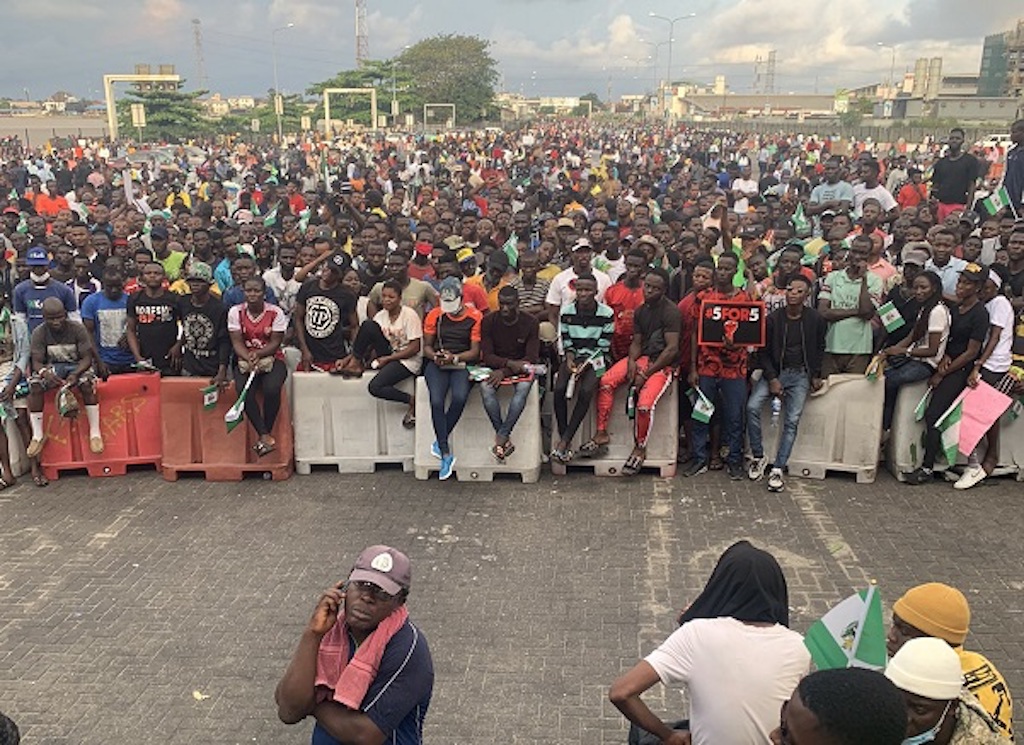
Six years after the #EndSARS protests led to the disbandment of the Special Anti-Robbery Squad (SARS), allegations of police abuse and demands for justice continue. Cases involving survivors and a man who died in custody have renewed questions about whether promised reforms have delivered meaningful accountability.
The October 2020 #EndSARS protests brought nationwide attention to allegations of police brutality, including torture, extortion, unlawful detention and extrajudicial killings.
The government disbanded SARS and established judicial panels to investigate complaints and recommend remedies. Some victims received compensation, while the panels recommended disciplinary action or prosecution in certain cases.
However, the Rule of Law and Accountability Advocacy Centre (RULAAC) says implementation remains inadequate. In a statement marking the sixth anniversary of the protests on October 20, 2026, the organisation cited cases it says demonstrate the continuing struggle for justice.
Here are three cases at the centre of its concerns.
1. Ngozichukwu’s court victory against the police
RULAAC cited the case of a woman identified as Ngozichukwu, who it alleges was abducted, taken to Abuja and tortured at a facility associated with the Intelligence Response Team formerly led by Abba Kyari.
According to the organisation, she suffered fractured wrists and deep cuts. It also alleged that officers starved her, denied her medical treatment and held her in degrading conditions.
RULAAC said authorities targeted Ngozichukwu because she contributed money towards medical treatment for people injured during the #EndSARS period in south-east Nigeria.
The organisation said she later filed a fundamental rights enforcement suit and obtained a judgment against the police. However, RULAAC alleges that the police have neither complied with the judgment nor paid the compensation awarded to her.
The case raises a key question: what protection does a court victory offer when the institution accused of violating a citizen’s rights allegedly fails to obey the court?
RULAAC has called on the Inspector-General of Police and other relevant authorities to enforce the judgment.
2. Adaeze Akwaja’s alleged torture and health complications
RULAAC also raised concerns about Adaeze Akwaja, who it says described severe torture involving personnel associated with Tiger Base, an anti-kidnapping unit in Imo State, and the former Abba Kyari team.
According to the organisation, Akwaja continues to experience serious health complications linked to the alleged abuse.
RULAAC wants authorities to conduct an independent investigation, document her injuries and provide appropriate remedies.
The organisation argues that survivors should not have to campaign publicly for years before authorities address their complaints.
The case also highlights the importance of independent investigations into allegations against police units, particularly where victims fear that the institutions involved may not investigate themselves impartially.
3. Japheth Njoku’s death in police custody
The death of 32-year-old Japheth Njoku has raised further questions about conditions inside police detention facilities.
Njoku died in police custody at Tiger Base in Owerri in May 2025, after spending about six weeks in detention over an alleged theft.
According to reports on the coroner’s findings issued on September 30, 2026, the inquiry identified serious misconduct connected with his detention, including alleged torture, overcrowding, extortion and denial of bail.
The coroner recommended prosecution of two police officers over alleged extortion and corruption, as well as compensation for Njoku’s family.
RULAAC has urged the relevant authorities to implement the recommendations, investigate the allegations and pursue prosecution where the evidence supports it.
The case places renewed attention on the responsibility of authorities to protect detainees and investigate deaths in custody.
What happens next?
For RULAAC, these cases reflect a wider problem: announcing reforms does not guarantee that officers will face consequences for alleged abuses.
The organisation wants authorities to implement outstanding recommendations from judicial panels, investigate allegations of torture and extrajudicial killings, publish disciplinary outcomes and enforce court judgments against the police.
It also wants better custody records, independent oversight of detention facilities and protection for people who report abuse.
RULAAC acknowledges that police officers deserve better welfare, training and working conditions. However, it says those needs cannot excuse torture, extortion or unlawful detention.
Six years after #EndSARS, the cases cited by RULAAC leave a central question unanswered: how can Nigerians trust police reforms if victims still struggle to obtain justice?