

Ebola in Nigeria: 8 Steps to Protect Yourself From the Virus

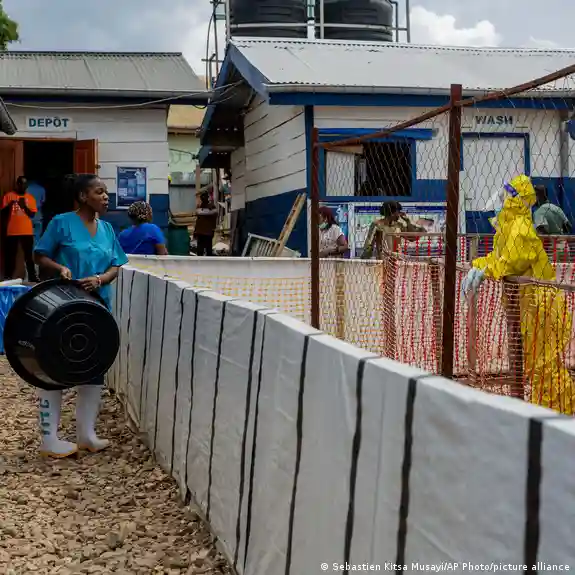
Nigeria has confirmed an Ebola case in the Federal Capital Territory (FCT), Abuja, prompting health authorities to intensify efforts to prevent further transmission.
The Federal Ministry of Health and Social Welfare confirmed the case on October 20, 2026, after laboratory tests detected the Bundibugyo virus in a woman who had recently travelled from Uganda. The patient is receiving care in isolation, while health authorities have identified 44 contacts for monitoring.
Meanwhile, the Ogun State Government has strengthened disease surveillance and preparedness. The state said it had recorded no cases as of October 21, 2026, and urged residents to observe preventive measures without panicking.
As authorities work to contain the infection, Nigerians can take practical steps to reduce their risk. Here are eight ways to protect yourself and your family.
1. Wash your hands regularly with soap and water
Start by making proper handwashing part of your daily routine.
Wash your hands with soap and running water, particularly before eating or preparing food, after using the toilet and after caring for someone who is ill.
You should also wash your hands after handling rubbish or potentially contaminated materials.
If soap and water are unavailable, use an alcohol-based hand sanitiser. However, remember that hand hygiene does not replace the need to avoid direct contact with an infected person’s bodily fluids.
2. Avoid contact with the bodily fluids of sick people
Ebola spreads primarily through direct contact with the blood or other bodily fluids of an infected person who has developed symptoms.
These fluids include vomit, faeces, urine, saliva and other secretions. The virus can enter the body through broken skin or the eyes, nose and mouth.
If someone becomes seriously ill and Ebola is suspected, avoid touching the person or their bodily fluids. Contact health authorities for instructions on obtaining medical care safely.
However, not everyone who develops a fever or feels unwell has Ebola. Avoid spreading rumours or treating people with ordinary illnesses as confirmed cases.
3. Do not handle potentially contaminated items
Clothing, bedding, towels and other objects can transmit Ebola if they are contaminated with an infected person’s bodily fluids.
Avoid touching such materials without appropriate protective measures. If you suspect that an item is contaminated, do not attempt to clean it with your bare hands.
Instead, contact trained health professionals for guidance on safe handling and disinfection.
Ordinary contact with clean household objects does not automatically put you at risk of Ebola infection.
4. Take precautions when caring for sick relatives
Do not attempt to care for someone suspected of having Ebola without professional guidance.
Family members may face a high risk of infection when they come into direct contact with an infected person’s bodily fluids.
If you suspect that a relative has Ebola, contact health authorities immediately. Avoid handling the person’s clothes, bedding or waste, and follow instructions on safe medical assessment and transport.
Ordinary household gloves or a face mask alone do not provide sufficient protection for caring for a suspected Ebola patient.
Healthcare professionals require appropriate protective equipment and infection prevention procedures to manage such cases safely.
5. Avoid handling sick or dead wild animals
Ebola can spread from infected animals to humans. Contact with infected wildlife, including bats and non-human primates, can expose people to the virus.
To reduce the risk, avoid touching sick or dead wild animals, especially during an outbreak.
You should also avoid handling their blood and bodily fluids without appropriate protective measures.
When preparing food, ensure that meat is thoroughly cooked. Do not eat animals found dead or handle their carcasses with bare hands.
6. Avoid direct contact with bodies during unsafe burials
People can contract Ebola through direct contact with the body of someone who has died from the disease.
During an outbreak, families should not wash, touch or prepare the body of someone suspected of dying from Ebola.
Instead, contact health authorities so trained personnel can arrange a safe and dignified burial.
Families can still observe appropriate cultural and religious practices in consultation with health officials, without exposing mourners to potentially infectious bodily fluids.
7. Recognise the symptoms and seek medical help
Knowing the symptoms can help you recognise when to seek medical attention.
Ebola symptoms can appear between two and 21 days after exposure. Early symptoms may include:
- Fever
- Severe headache
- Muscle pain
- Weakness and unusual tiredness
- Sore throat
Other symptoms can include vomiting, diarrhoea and abdominal pain. Unexplained bleeding may occur in some cases.
However, these symptoms can also occur with malaria and other common illnesses. Having a fever does not automatically mean someone has Ebola.
If you develop symptoms after a possible exposure, avoid close contact with others and contact public health authorities immediately. Explain your symptoms and possible exposure before visiting a healthcare facility so they can advise you on safe assessment.
Do not attempt to diagnose or treat suspected Ebola at home.
8. Cooperate with health officials if you may have been exposed
Following the confirmed case in Abuja, health authorities have begun identifying and monitoring people who may have had contact with the patient.
If public health officials contact you because of a possible exposure, provide accurate information and follow their instructions.
You may be asked to monitor your health for 21 days after your last possible exposure. If symptoms develop during this period, report them immediately.
Being identified as a contact does not mean you have contracted Ebola. Contact tracing helps health authorities detect possible infections early and prevent further transmission.
What Nigerians should know about Ebola transmission
Ebola does not spread simply because someone walks past an infected person. Transmission primarily occurs through direct contact with the blood or bodily fluids of an infected person who has developed symptoms, the body of someone who has died from the disease, or objects contaminated with those fluids.
This means Nigerians do not need to panic or stop their normal activities simply because a case has been confirmed.
Instead, people should practise good hygiene, avoid risky contact and follow official public health advice.
The Nigeria Centre for Disease Control and Prevention (NCDC) and the World Health Organisation (WHO) provide guidance on Ebola prevention, symptoms and outbreak response.