

10 Ways to Eat More Protein Without Feeling Overfull

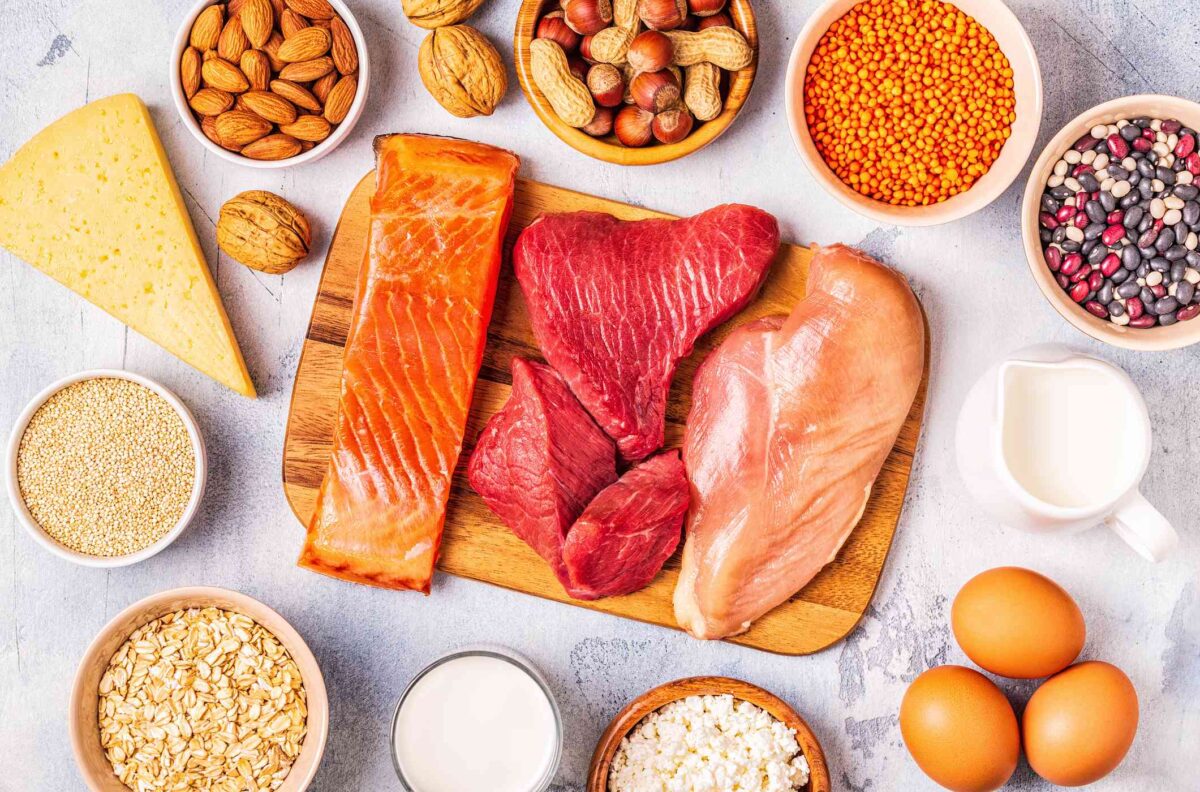
Smart protein tips that won’t leave you bloated. Image Credit: tbralnina / Getty Images
As high-protein diets continue to dominate health conversations, nutrition experts are addressing a common challenge many people face: how to increase protein intake without feeling overly full or uncomfortable.
Protein plays a crucial role in muscle repair, metabolic health, blood sugar regulation, and appetite control. However, consuming large portions of protein-rich foods, especially dense meats, can lead to bloating and digestive discomfort. Dietitians say the solution isn’t eating more food, but eating protein more strategically.
Here are 10 evidence-backed ways to eat more protein without feeling overfull, according to nutrition experts.
1. Spread Protein Intake Throughout the Day
Rather than consuming most protein at dinner, experts recommend evenly distributing it across meals and snacks. Smaller, frequent protein doses are easier to digest and improve muscle protein synthesis.
2. Choose Lean Protein Sources
Lean proteins like chicken breast, turkey, fish, egg whites, tofu, and low-fat dairy provide high protein with fewer calories and less fat, helping prevent that heavy, stuffed feeling.
3. Add Protein to Foods You Already Eat
Instead of adding more volume, enrich existing meals. Stir Greek yogurt into sauces, add protein powder to smoothies, or sprinkle seeds into salads and oatmeal.
4. Use Protein Powders Strategically
Protein powders allow you to boost intake without chewing or fullness. Whey, plant-based, or collagen protein mixed with water or milk offers high protein in a low-volume form.
5. Prioritize High-Protein Snacks
Snacks like cottage cheese, Greek yogurt, hard-boiled eggs, or protein bars prevent hunger without requiring large portions. Experts recommend aiming for 10–20 grams of protein per snack.
READ ALSO
15 Unexpected Flavor Pairings Top Chefs Swear By
7 Smart Ways to Shop Healthy in Local Markets
6. Choose Liquid Protein When Appetite Is Low
Protein shakes, smoothies, and soups digest faster than solid foods. They’re ideal post-workout or during busy days when heavy meals feel unappealing.
7. Eat Protein First at Meals
Starting meals with protein helps ensure you meet protein goals before feeling full from carbohydrates or fiber. Research shows this strategy also supports better blood sugar control.
8. Combine Protein With Digestive-Friendly Foods
Pairing protein with foods like fermented vegetables, leafy greens, or ginger can improve digestion and reduce bloating, according to dietitians.
9. Avoid Overloading Protein at One Sitting
The body can efficiently utilize about 20–40 grams of protein per meal for muscle synthesis. Consuming more than that may contribute to digestive discomfort without added benefit.
10. Stay Hydrated to Aid Digestion
Adequate hydration helps the digestive system process protein efficiently. Nutritionists note that dehydration can worsen feelings of heaviness after high-protein meals.
Health experts emphasize that increasing protein intake doesn’t require eating more food, just eating smarter. By choosing lean sources, spreading intake evenly, and incorporating liquid options, individuals can meet their protein needs comfortably.
As personalized nutrition gains momentum, these practical strategies are helping people support muscle health, weight management, and overall wellness, without the discomfort.
FAQ
1. How can I eat more protein without feeling overfull?
By choosing lean proteins, spreading intake across meals, and using liquid protein options like shakes or smoothies.
2. Does protein make you feel full?
Yes. Protein increases satiety hormones, which is why portion control and timing are important.
3. What is the easiest way to increase protein intake?
Adding protein powder to drinks or meals is one of the easiest and least filling methods.
4. How much protein should I eat per meal?
Most experts recommend 20–40 grams per meal for optimal absorption and comfort.
5. Are protein shakes better than whole foods?
Both have benefits. Shakes are easier to digest, while whole foods provide additional nutrients.
6. Can too much protein cause bloating?
Yes, especially when consumed in large portions or from fatty sources.
7. What are the best lean protein foods?
Chicken breast, fish, egg whites, Greek yogurt, tofu, and low-fat cottage cheese.
8. Is it better to eat protein before carbs?
Yes. Eating protein first can improve satiety and blood sugar control.
9. Can high-protein diets help with weight loss?
Yes. Protein supports muscle retention and appetite control during calorie restriction.
10. Who should be careful with high protein intake?
Individuals with kidney disease should consult a healthcare provider before increasing protein intake.