

Canada allows 3 groups of foreign workers to study without a study permit until 2027

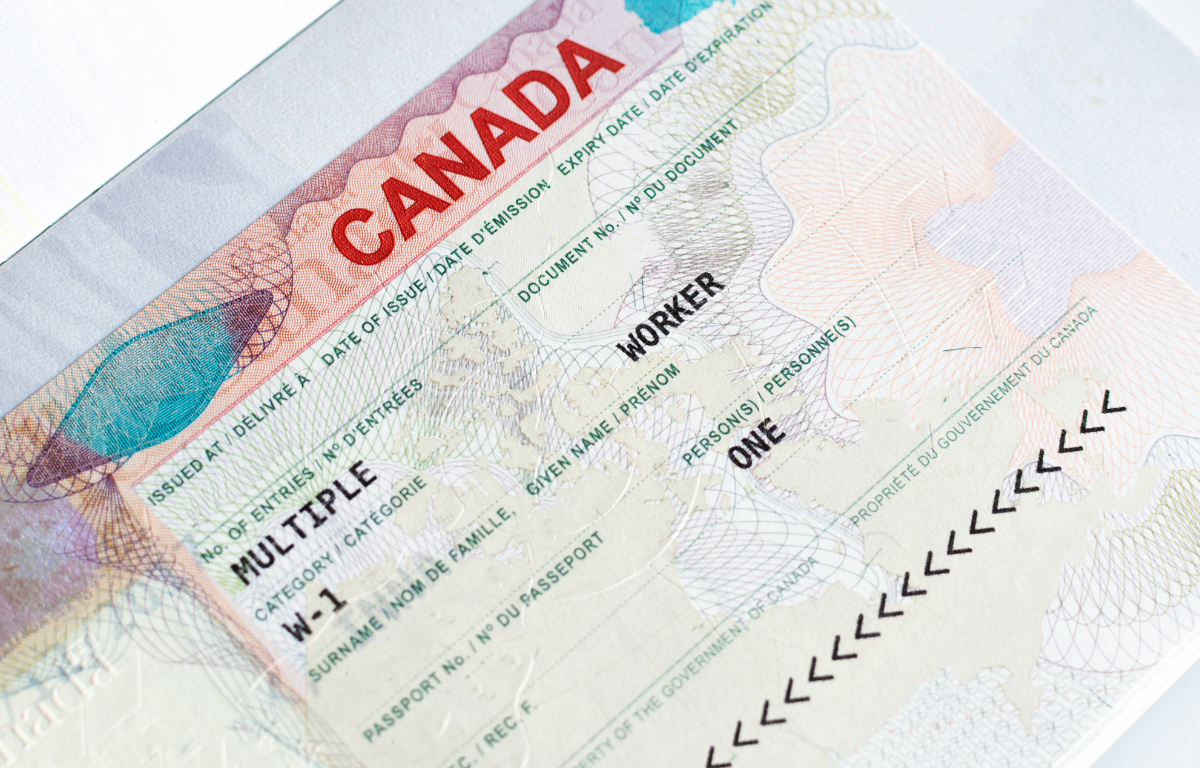
Canada Study Permit
Immigration, Refugees and Citizenship Canada (IRCC) published the announcement on September 9, 2026, stating that qualifying work permit holders can study for up to six months under the measure.
The policy covers tradespeople, nurses and laboratory technicians. It is intended to make it easier for workers already in Canada to complete short courses linked to their occupations without going through a separate study permit application process.
The exemption is temporary and is scheduled to end on December 31, 2027. It does not create a new route to Canadian permanent residence or remove the conditions attached to existing work permits.
Canada names 3 occupations eligible to study without a study permit
The temporary measure targets three groups of foreign workers whose professions may require additional training, licensing or continuing education.
1. Tradespeople
Foreign workers in eligible trades may benefit when they need short-term courses related to their professional skills, qualifications or licensing requirements.
The exemption could reduce administrative delays for workers who need to complete training while maintaining their employment in Canada.
However, workers should confirm that their particular course and immigration status fall within the measure before enrolling.
2. Nurses
Nurses are another occupational group covered by the reported policy.
Healthcare professionals may need additional courses to meet provincial or territorial licensing requirements, update their skills or satisfy professional education obligations.
Allowing eligible workers to undertake qualifying short-term studies without a separate study permit could make it easier to complete these requirements while working in Canada.
The exemption does not automatically grant a nursing licence or remove the professional registration requirements imposed by the relevant regulator.
3. Laboratory technicians
Laboratory technicians are also included in the three occupational groups.
Depending on their role, these professionals may need technical training, certification courses or other short-term education to meet workplace and professional standards.
The temporary measure could make it easier for eligible workers to pursue such training without an additional study permit application, provided the programme meets the applicable conditions.
How long can eligible foreign workers study?
Under the measure described by IRCC, eligible work permit holders can study for up to six months without obtaining a separate study permit.
The exemption is limited to qualifying short-term studies. It should not be interpreted as general permission to enrol in any course or programme.
Workers who want to pursue longer studies, including programmes that require a study permit, must follow Canada’s standard immigration requirements.
The date the measure ends is also important. The policy is scheduled to expire on December 31, 2027, unless the government changes or extends it.
READ ALSO
New Zealand work visa: 6 categories of foreigners allowed to run businesses under new rules
Australia citizenship: 5 legal issues that could get a permanent resident’s application rejected
Does the exemption lead to Canadian permanent residence?
No. The measure is not a new immigration pathway and does not automatically improve a worker’s eligibility for permanent residence.
It does not change the conditions attached to an existing work permit or guarantee that a worker can remain in Canada beyond the period authorised by their immigration status.
Foreign workers interested in permanent residence must continue to meet the requirements of the relevant immigration programme, such as an eligible economic immigration pathway.
The distinction is important for migrants who may be considering short-term training as part of a longer-term career or immigration plan.
What the change means for Nigerian workers in Canada
Nigerian professionals already working in Canada in eligible trades, nursing or laboratory-related occupations may find the measure useful if they need short courses connected to their jobs.
The potential benefit is reduced paperwork when undertaking qualifying training. Workers may be able to complete certain educational requirements without separately applying for a study permit.
However, Nigerian nationality alone does not make someone eligible. The worker’s occupation, work permit status and intended course must satisfy the government’s conditions.
Those considering enrolment should check the official IRCC guidance and confirm any professional licensing requirements with the relevant provincial or territorial authority.
How to check eligibility before enrolling
Foreign workers should verify the policy’s requirements before paying course fees or beginning a programme.
They should:
- Confirm that their occupation falls within the covered category.
- Check that their work permit and immigration status qualify.
- Establish whether the intended course is covered by the six-month exemption.
- Confirm whether professional licensing or registration rules impose additional conditions.
- Apply for a study permit if their intended studies fall outside the exemption.
Official guidance is available through the Government of Canada’s website at Canada.ca, under Immigration, Refugees and Citizenship Canada.
Frequently asked questions
Which foreign workers can study in Canada without a study permit under the temporary measure?
The reported measure covers eligible tradespeople, nurses and laboratory technicians who hold qualifying work permits.
How long can eligible workers study without a study permit?
The exemption allows qualifying workers to undertake studies lasting up to six months, subject to the policy’s conditions.
When does Canada’s temporary study exemption expire?
The measure is scheduled to end on December 31, 2027, unless the government changes the arrangement.
Can Nigerian workers benefit from the exemption?
Yes, potentially. Nigerians who already hold eligible Canadian work permits and meet the occupational and course requirements may qualify. Nigerian citizenship by itself does not confer eligibility.
Can foreign workers use the exemption to study for a full degree?
The exemption is for qualifying short-term studies of up to six months. Workers planning longer programmes must check whether they need a study permit under the standard rules.
Does the measure help foreign workers obtain permanent residence?
Not directly. It does not establish a new permanent residence pathway or guarantee future immigration approval.
Do nurses still need professional registration in Canada?
Yes. The study exemption does not replace the licensing or registration requirements of the relevant provincial or territorial nursing regulator.
Where can foreign workers confirm the rules?
Workers should consult the official IRCC announcement and related guidance on Canada.ca before enrolling in a course or relying on the exemption.