

California Mail Ballots Stay in Count After Supreme Court Rejects Trump Bid

Conceptual illustration for CrispNG; it represents the California ballot dispute and shows no actual ballots or court proceeding.
A one-line emergency order leaves California’s ballot process in place on Election Day, while a dispute over a federal list of suspected noncitizen voters continues through the courts.
California mail ballots will move through the state’s existing counting process after the US Supreme Court rejected the Trump administration’s last-minute request to set aside ballots associated with people on a federal list of about 20,000 registered voters it labelled likely noncitizens. The justices issued the order on Monday, 2 November, hours before the final day of voting in the 2026 midterms.
The federal list identified about 20,000 registered voters; court records leave the number of ballots cast by people on it unquantified. The Justice Department sought an emergency injunction requiring California officials to hold aside ballots associated with those names until citizenship checks finished. The court issued a one-line denial of that immediate request, leaving individual eligibility findings for the broader case.
What the California mail ballots ruling says
The Supreme Court’s action keeps the emergency dispute from changing how California handles ballots on Election Day. It leaves county election offices to follow state law and their usual verification procedures as they receive, process and count ballots. The order addressed an urgent request; the federal lawsuit remains active.
Federal law makes it a crime for noncitizens to vote in federal elections. The Justice Department argued that California should separate ballots associated with people on its list before counting them. California officials challenged the list’s accuracy and warned that holding ballots based on an unverified match could burden eligible voters. The Supreme Court order records the emergency outcome and leaves broader voter-roll rules for the lawsuit.
That distinction matters for readers following the case from abroad. The ruling addresses ballot handling and leaves any finding about an individual’s vote or eligibility to the broader case. Federal and state law set the legal eligibility standard. The federal statute sets the voting prohibition; the dispute concerns whether the government’s list justified the extraordinary step of isolating ballots before the election.
How the ballot dispute reached the justices
The Justice Department sued California and Los Angeles County on 15 October, arguing that state officials should set aside ballots tied to people federal agencies identified as likely noncitizens. US District Judge David Carter rejected an initial request for a temporary restraining order on 28 October. He questioned the reliability of the identification process, according to CBS News.
On 30 October, the Ninth US Circuit Court of Appeals also denied emergency relief, finding the government fell short of the legal test for an injunction pending appeal. Its written appeals court ruling traced the case and said the government sought to sequester ballots and verify citizenship before tabulation.
The administration then asked the Supreme Court to act on 2 November. The justices rejected that application the same day. Associated Press reported that the court issued an unexplained order, while Reuters reporting said the request came just hours after the filing. Together, rulings from three court levels leave the existing ballot process in effect as the broader lawsuit advances.
What California voters should do next
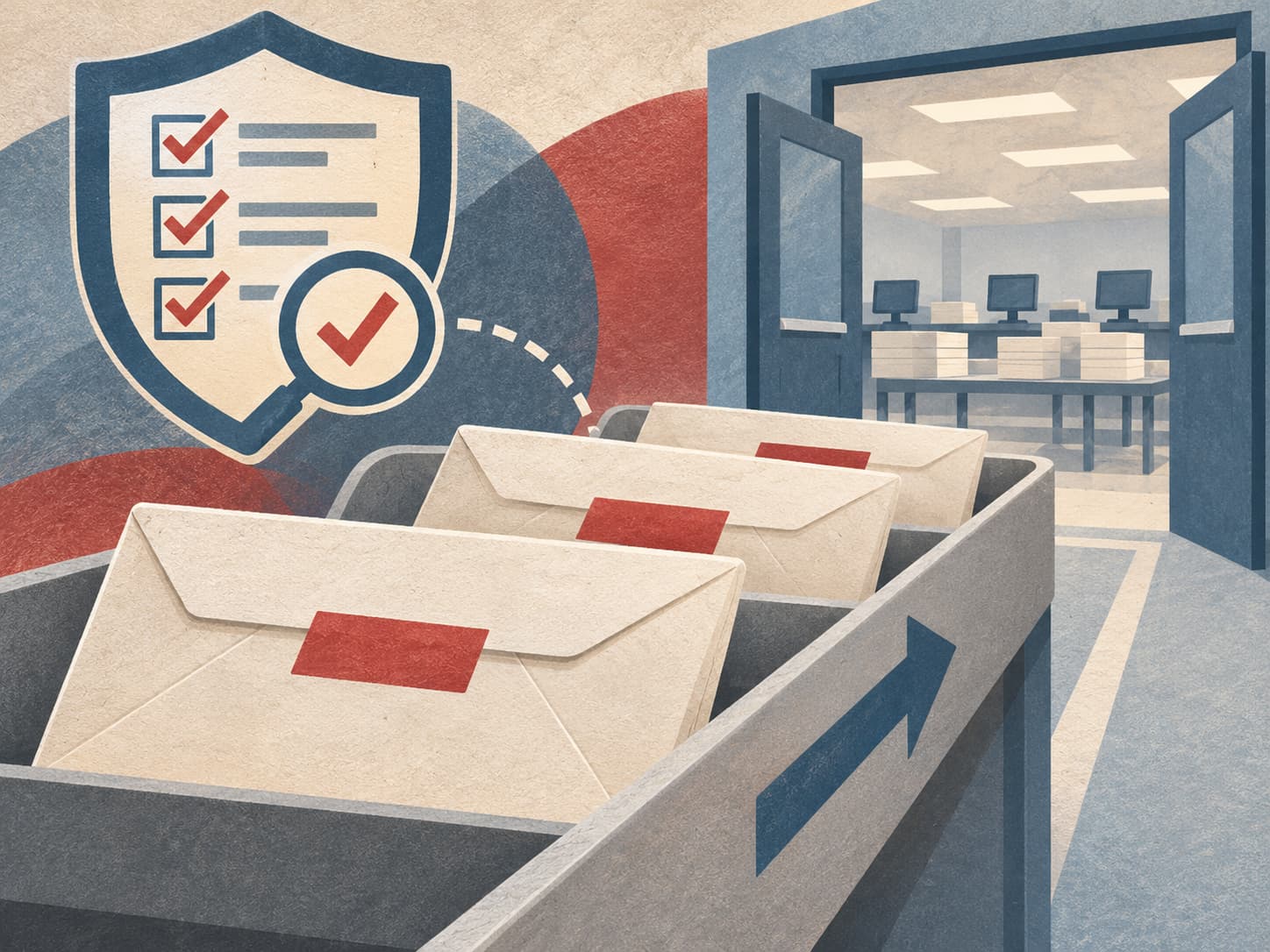
Voters should follow instructions from their county election office, which handles ballot receipt and counting under California’s rules. The state says mail ballots postmarked by Election Day can arrive at county offices through 10 November, while ballots delivered in person must reach an authorised drop-off point by 8pm on 3 November. Its official deadline guide also lists county contacts and ballot-tracking information.
For California citizens living overseas, the same practical step applies: use the county election office listed on the ballot materials to confirm receipt or resolve an individual question. The Supreme Court order names no individual voters; personal registration records stay under the existing county process. People who receive a notice about their registration should respond through their county election office and consult the state’s official voter information.
International readers can read the case as a test of election administration under time pressure. The federal government raised a claim under national law; California relied on its established process; and the courts weighed the request against the risk of changing ballot treatment immediately before voting. The Supreme Court’s short order leaves that legal contest for further proceedings while Election Day counting follows the state’s existing timetable.
Frequently asked questions
Did the Supreme Court find that noncitizens voted in California?
The justices ruled on emergency ballot handling only. Any finding about an individual voter’s conduct or eligibility falls outside the order’s narrow scope.
How many California voters were on the federal list?
The administration identified about 20,000 registered voters as likely noncitizens. The figure describes the federal list’s size; court records leave the ballot count for its named voters unquantified.
Can California still count mail ballots after Election Day?
Yes. California allows mailed ballots postmarked by 3 November to reach county election offices through 10 November. In-person ballot returns must arrive by the close of polls on Election Day.
Where can a voter check a ballot’s status?
Voters can use their county election office or California’s official ballot-tracking service. Overseas voters should contact the county office responsible for their registration.