

Breast cancer survivor turns her own struggle into help for other women

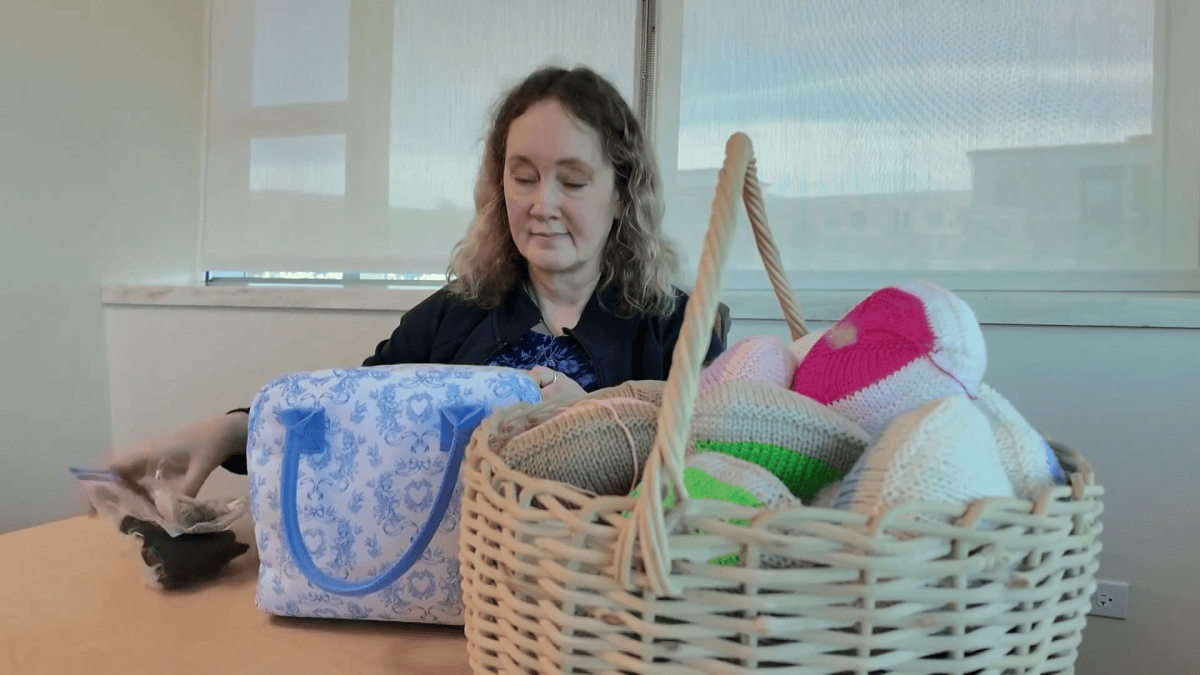
A breast cancer survivor in the United States has turned the challenges she faced during her recovery into a way of helping other women going through similar experiences.
Sara Gmitro, a woman from Naperville, Illinois, was diagnosed with breast cancer and later underwent a mastectomy.
But as she began adjusting to life after the surgery, Gmitro encountered another challenge that many women face after losing a breast to cancer: finding a comfortable and affordable breast prosthesis.
Her experience eventually led her to an unusual solution.
She began knitting soft breast prostheses for women who have undergone mastectomies or other breast surgeries.
The handmade prostheses, known as “Knitted Knockers,” are designed to give women an alternative to traditional silicone breast forms.
For Gmitro, however, the project is more than knitting.
It grew out of her own experience with breast cancer and the difficulties she encountered while trying to feel comfortable and normal again after surgery.
Breast cancer diagnosis changed her life
Gmitro’s breast cancer journey began after a mammogram and ultrasound raised concerns in November 2025.
According to NCTV17, she was subsequently referred to a surgeon and decided to undergo a mastectomy after the new year.
She took time away from work to undergo treatment before eventually returning to her normal routine.
But surgery brought its own adjustment.
Like many women who undergo mastectomy, Gmitro had to consider how to manage the physical changes caused by the removal of breast tissue.
She initially turned to a traditional silicone breast prosthesis.
It offered a way to restore the appearance of a breast under clothing, but she found that it was not always the easiest option.
The struggle after surgery
Traditional breast prostheses can be expensive, heavy and uncomfortable for some women.
They can also require women to wait until they have healed sufficiently before being fitted.
For someone already dealing with the physical and emotional effects of cancer treatment, the additional cost and discomfort can make recovery more difficult.
NCTV17 reported that some patients could pay as much as $1,000 out of pocket for a traditional prosthesis, depending on insurance coverage.
Gmitro began searching for an alternative.
That search eventually introduced her to Knitted Knockers, handmade breast prostheses made from soft yarn and stuffing.
Unlike silicone forms, the knitted versions are lightweight and can be adjusted by adding or removing stuffing.
They can also be worn inside a regular bra.
For Gmitro, the idea offered something she had been looking for during her own recovery.
How knitting became part of her recovery
Gmitro found a pattern online and decided to make a knitted prosthesis herself.
She already knew how to knit, having previously made items such as socks.
After completing her first pair, she realised the idea could help women beyond herself.
She became involved with the Knitted Knockers initiative, which connects volunteers who make the prostheses with women who need them.
The organisation provides the knitted breast forms free of charge to women who have undergone mastectomy or lumpectomy.
The prostheses are available in different sizes and can be adjusted to suit individual needs.
What began as Gmitro’s attempt to find comfort after surgery therefore became a way for her to support other breast cancer survivors.
Helping women feel normal again
The physical impact of breast cancer surgery is often only one part of recovery.
Women may also have to adjust to changes in their appearance and confidence while returning to everyday life.
For Gmitro, the knitted prostheses provided an option that helped her feel more comfortable without the cost and weight associated with some traditional alternatives.
She later began making the prostheses for other women.
She has taken some to medical facilities and worked with others involved in the Knitted Knockers initiative to get them into the hands of women who need them.
The project has also brought together other breast cancer survivors who volunteer their time to make the prostheses.
One of them is Karen Mangrum, who also became involved after her own experience with breast cancer.
Their work reflects a broader pattern among cancer survivors: using personal experiences of illness to support people facing the same challenges.
Doctors see value in the alternative
Medical professionals interviewed by NCTV17 said knitted breast prostheses can provide a useful option for women recovering from breast surgery.
Dr Anna Chichura, a breast surgical oncologist, said the knitted forms can be useful during the period when a woman is still recovering and may not yet be ready for a traditional prosthesis.
The financial benefit can also be significant.
Traditional prostheses may cost hundreds of dollars, depending on the type and insurance coverage, while Knitted Knockers are distributed free to women who need them.
The lightweight design can also make them more comfortable for some women.
For doctors, the initiative demonstrates how patients can identify practical challenges that may not always be obvious from a clinical perspective.
Turning pain into purpose
Gmitro’s story began with a diagnosis that changed her life.
She had to undergo surgery, adjust to the changes that followed and find ways to regain a sense of normalcy.
But an uncomfortable and expensive part of her recovery eventually introduced her to a simple alternative.
Now, the same experience that once presented a challenge has become a reason for her to help other women.
Instead of keeping the solution to herself, Gmitro began making the knitted prostheses for women who might be facing the same difficulties.
The initiative does not erase the experience of breast cancer or the physical effects of mastectomy.
But for women navigating life after surgery, a soft knitted prosthesis can offer comfort, affordability and another step towards feeling like themselves again.
For Gmitro, that has become part of her recovery story.
She survived breast cancer, faced the challenges that came after treatment and found a way to turn one of those struggles into support for other women.