

Bon bread controversy: TikToker detained over viral “2-month bread” claim sparks National debate

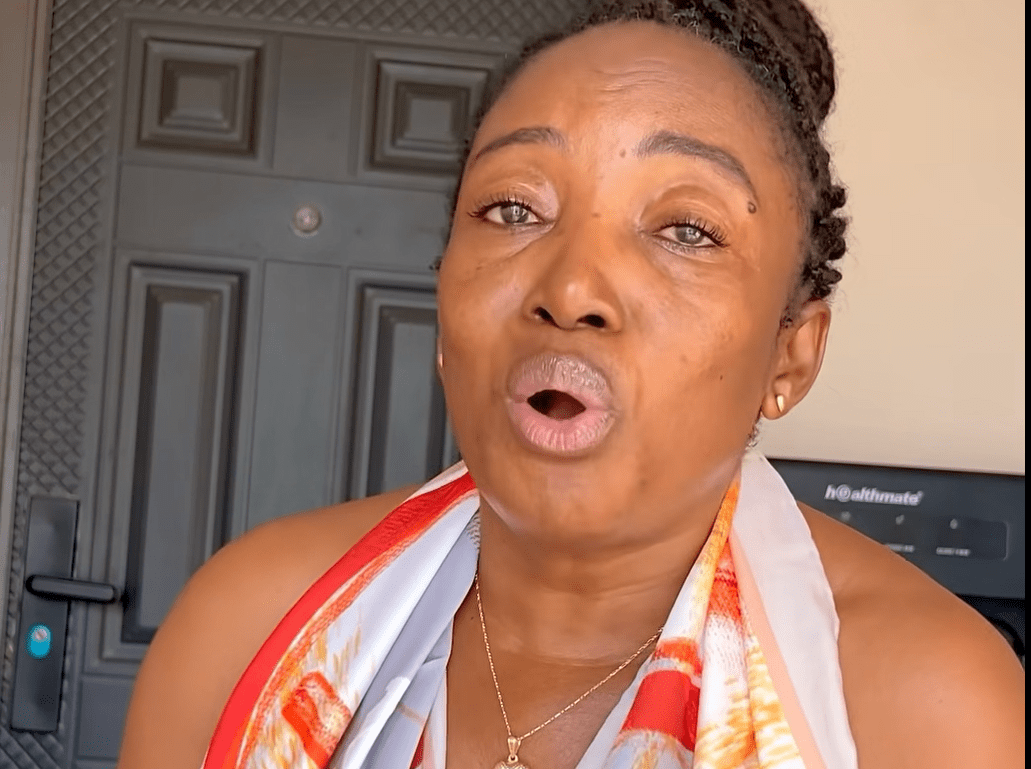
Bon Bread saga sparks nationwide debate. Image Credit: Love Dooshima
A viral bread review has ignited a nationwide controversy involving consumer rights, food safety, and corporate accountability after a TikTok creator was detained by police over claims about a loaf of bread allegedly lasting nearly two months.
The incident, involving Bon Bread and content creator Love Dooshima, has sparked intense public discourse, raising questions about freedom of expression, product safety standards, and the role of law enforcement in civil disputes.
How the Bon Bread Viral Video Sparked Controversy
The situation began when Love Dooshima posted a TikTok video questioning the safety of a loaf of bread she claimed remained fresh for nearly two months. The video quickly went viral, triggering widespread concern about food preservation practises.
Although the brand was not initially named in the video, Bon Bread later filed a complaint, alleging that the claims were damaging to its reputation and business operations.
The company maintained that the viral claim was misleading and could erode public trust in its products.
Police Detention and Release of TikToker
Following the complaint, Dooshima was invited by the Nigeria Police Force for questioning at the Zone 7 Headquarters in Abuja.
However, what began as an invitation escalated into hours of detention, prompting outrage among activists and the public.
Human rights lawyer Inibehe Effiong confirmed that she was released around 12:30 a.m. after intervention by senior police authorities, including the Inspector-General.
The development has fueled criticism over the use of police power in handling corporate complaints, with many Nigerians calling for clearer boundaries.
Bon Bread CEO Responds to Allegations
Reacting to the controversy, the CEO of Bon Bread, Maria Umeagwukadilo, strongly defended the company’s product quality.
She emphasised that:
- All ingredients are clearly listed on packaging
- The bread is produced under regulated standards
- Products typically do not last beyond a few days without preservatives
She also expressed concern over the impact of viral misinformation, noting that the business, built over nearly two decades, had suffered reputational damage.
READ ALSO
‘I won’t touch my ₦100M savings’: Peller sparks heated debate over money, family & financial discipline
What Food Science Experts Say About Bread Shelf Life
To clarify the scientific claims, experts weighed in on whether bread can realistically last two months.
According to food science professionals:
- Bread without preservatives lasts about 2–3 days
- Bread with approved preservatives can last up to 2–3 weeks
- Claims of bread lasting two months may indicate unusual storage conditions or excessive additives
Common preservatives like calcium propionate and sodium benzoate are used to prevent mold growth, but only within regulated safety limits.
Experts also warned that excessive or unapproved preservatives could pose health risks, reinforcing the importance of regulatory oversight by agencies like NAFDAC.
Freedom of Speech vs Corporate Protection
The Bon Bread controversy has sparked a heated national conversation:
- Some Nigerians argue that consumers should have the right to review and question products without fear
- Others believe businesses must be protected from false or damaging claims
The debate highlights a growing tension in the digital age, where social media influence can impact businesses overnight.
Consumer Safety and What to Watch For
Amid the controversy, experts are urging consumers to stay vigilant when purchasing bread:
- Always check expiry or “best before” dates
- Observe texture, smell, and freshness
- Avoid products with unusual elasticity or long shelf life beyond norms
These steps can help consumers make informed decisions and avoid potential health risks.
What Happens Next in the Bon Bread Case?
While Dooshima has been released, legal and public discussions are expected to continue. Advocacy groups are already calling for:
- Clearer guidelines on digital expression
- Limits on corporate use of law enforcement
- Stronger consumer protection frameworks
The case may set a precedent for how viral content and corporate disputes are handled in Nigeria.
FAQ
Why was the TikToker detained over Bon Bread?
She was invited by police following a complaint from Bon Bread, which alleged that her viral video caused reputational damage.
Did the bread really last two months?
Experts say this is highly unlikely under normal conditions, as bread typically lasts a few days to a few weeks at most.
Is Bon Bread safe to eat?
The company maintains that its products meet regulatory standards and are safe for consumption.
What preservatives are used in bread?
Common preservatives include calcium propionate and sodium benzoate, which help prevent mold.
Can bread last two months with preservatives?
No. Even with preservatives, bread usually lasts no more than 2–3 weeks.
Why is the Bon Bread controversy trending?
The issue combines viral social media content, police action, and food safety concerns, making it widely discussed.
What did the CEO of Bon Bread say?
She defended the product’s quality, stating that the bread does not last beyond a few days without preservatives.
What role did the police play?
The Nigeria Police invited and detained the TikToker before releasing her after intervention from senior officials.
What are the health risks of long-lasting bread?
Excessive or unapproved preservatives could pose potential long-term health risks.
What should consumers check when buying bread?
Look at expiry dates, texture, smell, and packaging labels to ensure freshness and safety.