

US lawmaker pushes Tinubu to remove Bello Matawalle over insecurity

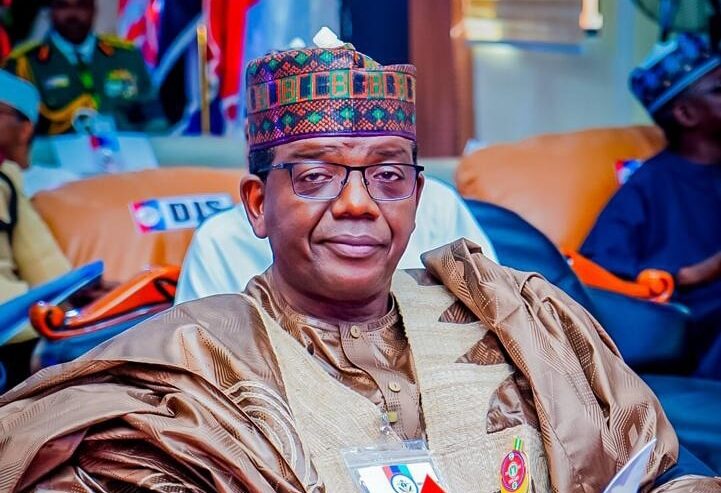
Bello Matawalle. Image Credit: Bello Matawalle/X
A fresh wave of international scrutiny has hit Nigeria’s security architecture as a United States lawmaker calls for the redeployment or removal of the Minister of State for Defence, Bello Matawalle, citing rising insecurity and alleged leadership concerns.
The call, made by Kimberly Daniels, follows a detailed security assessment that highlights escalating violence across Nigeria’s North-Central and North-West regions, particularly during the 2026 Easter period.
The development has sparked renewed debate over the effectiveness of Nigeria’s defence leadership and its capacity to address persistent security threats.
Security Report Flags ‘Leadership Gaps’ in Defence Ministry
According to the report issued under the United World Congress of Diplomats (UN-WCD), the recent surge in coordinated attacks and mass killings raises serious questions about Nigeria’s current security strategy.
The assessment pointed to attacks on worshippers during Palm Sunday and Easter celebrations, which reportedly claimed dozens of lives in states such as Plateau, Kaduna, and Nasarawa.
Despite public condemnations by President Bola Ahmed Tinubu, the report noted a “widening gap between official assurances and the lived realities of affected communities.” This disconnect, it argued, has intensified public frustration and weakened confidence in government response mechanisms.
Why Matawalle’s Role is Under Scrutiny
A central recommendation of the report is a comprehensive leadership review within Nigeria’s defence ministry, with specific attention on Matawalle’s position.
The document cited several concerns, including:
- Alleged credibility and integrity issues linked to his tenure as governor of Zamfara State
- Claims of tolerance toward banditry and ransom negotiations
- Questions regarding his strategic competence in handling national security challenges
While these allegations remain contested, the report stressed that their persistence has contributed to erosion of public trust in the country’s security leadership.
Daniels emphasised that removing or redeploying Matawalle could help restore confidence and signal a renewed commitment to tackling insecurity.
Calls for Investigation and Institutional Reforms
Beyond leadership changes, the report called for transparent investigations into alleged complicity or negligence within political and security structures.
It also recommended:
- Strengthened protection for vulnerable communities in high-risk regions
- Increased accountability within security agencies and leadership ranks
- Strategic reforms to enhance response to terrorism and banditry
Daniels further urged international partners, including the United States, to increase diplomatic engagement and pressure to ensure accountability in Nigeria’s fight against insecurity.
READ ALSO
International Attention on Nigeria’s Security Crisis
The report comes amid growing global concern over Nigeria’s security situation. Over the past year, mass killings, bandit attacks, and displacement of rural communities have drawn international criticism.
The issue of religious persecution has also resurfaced, with calls to designate Nigeria as a Country of Particular Concern (CPC) gaining traction in U.S. policy discussions.
Daniels referenced bipartisan support for House Resolution 761 in Florida, which condemns violence against religious groups and advocates stronger international oversight.
Government Yet to Respond as Debate Intensifies
As of the time of reporting, Matawalle has not publicly responded to the allegations or calls for his redeployment.
The Nigerian government is also yet to issue an official statement addressing the recommendations outlined in the report.
However, the controversy has already intensified political and public discourse, with analysts warning that failure to address security concerns decisively could further erode public confidence and strain international relations.
Rising Insecurity and the Road Ahead
Nigeria continues to grapple with complex security challenges, including banditry, terrorism, and communal violence. The latest calls for leadership restructuring underscore the urgency for decisive action and credible reforms.
As pressure mounts both locally and internationally, the coming weeks may prove critical in determining whether the government will reassess its security strategy or maintain the status quo.
FAQ
Why is Bello Matawalle facing calls for redeployment?
He is facing criticism following a security report that cited rising insecurity, alleged leadership weaknesses, and concerns about his past record.
Who called for Matawalle’s removal?
The call was made by Kimberly Daniels, based on findings from a security assessment report.
What does the report say about Nigeria’s security situation?
The report highlights increased attacks, mass killings, and a gap between government statements and on-ground realities.
What role does President Tinubu play in this situation?
President Bola Ahmed Tinubu has the authority to review or redeploy security officials, including the Minister of State for Defence.
Has Matawalle responded to the allegations?
As of now, no official response has been issued by Matawalle regarding the claims.
What regions are most affected by insecurity?
The North-Central and North-West regions have experienced the most severe attacks, particularly during the 2026 Easter period.
What is the UN-WCD report?
It is an assessment by the United World Congress of Diplomats highlighting security challenges and recommending leadership changes.
Could Matawalle be removed from office?
While possible, any decision depends on the Federal Government’s review and political considerations.
Why is the international community concerned about Nigeria?
Concerns stem from mass killings, religious violence, and ongoing instability, which have drawn global attention.
What solutions were proposed in the report?
The report recommends leadership restructuring, investigations, stronger security measures, and international cooperation.