

BREAKING: Adebayo Adelabu resigns as Power Minister to chase Oyo 2027 Governorship race ahead of Tinubu deadline

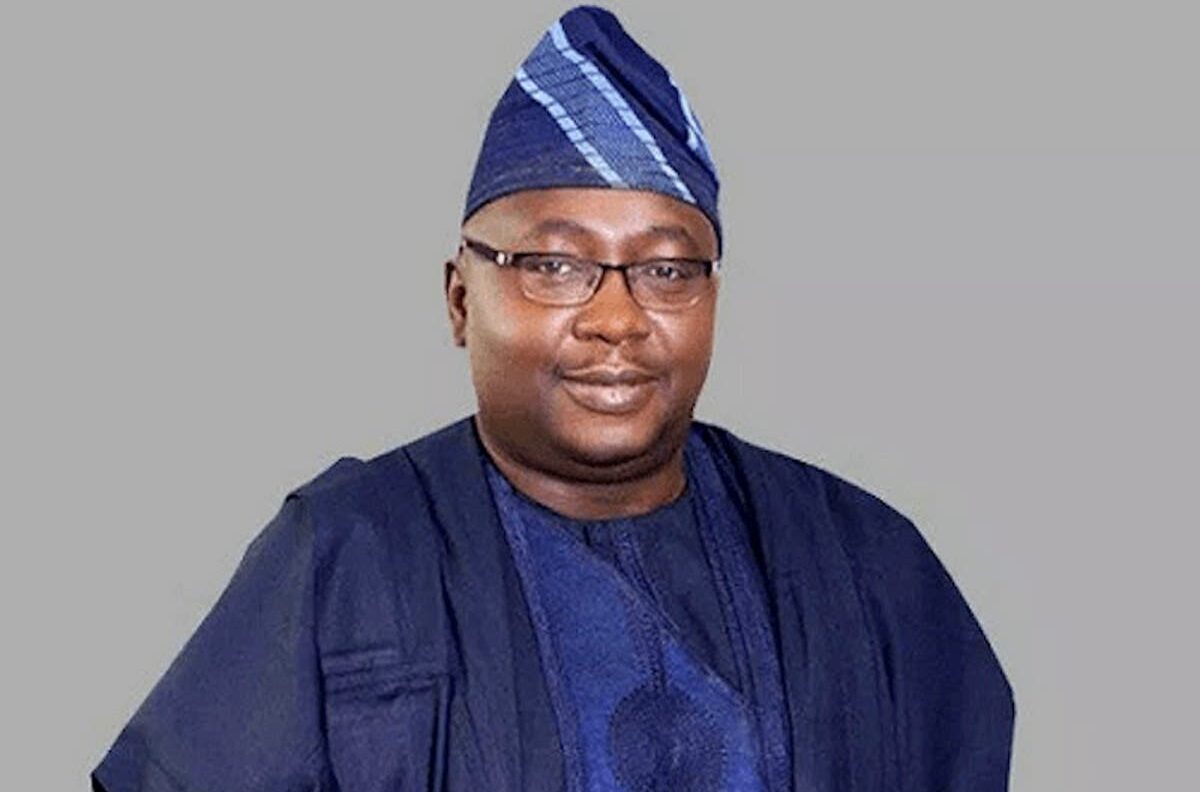
Adebayo Adelabu resigns as Power Minister for Oyo 2027 bid
Nigeria’s political landscape has shifted again ahead of the 2027 general elections, with Adebayo Adelabu stepping down as Minister of Power to pursue his long-anticipated governorship ambition in Oyo State. The resignation, reported on March 31, 2026, comes just as pressure mounted on political appointees with electoral ambitions to vacate their positions before the federal deadline tied to President Bola Ahmed Tinubu’s directive. The move immediately places Adelabu at the center of early Oyo 2027 governorship calculations, while also raising fresh questions about the future of Nigeria’s struggling power sector.
Adelabu’s exit is especially significant because it comes at a time when the Ministry of Power remains under intense public scrutiny over electricity shortages, grid instability, weak distribution infrastructure, and persistent supply complaints nationwide. Just days before news of his resignation, Adelabu had publicly assured Nigerians that power supply would improve within two weeks and projected that the country could hit 6,000MW before the end of 2026, even as he acknowledged serious gas supply and sector financing constraints.
Adebayo Adelabu Resigns as Power Minister Ahead of 2027 Elections
Reports from Nigerian media on Tuesday confirmed that Adebayo Adelabu resigned from the Federal Executive Council to fully focus on his aspiration to contest the 2027 Oyo State governorship election. According to the report, the resignation was conveyed in a letter dated March 26, 2026, addressed to President Tinubu, with Adelabu explaining that he needed to dedicate his time and resources to the governorship race.
The resignation aligns with a federal political timetable that has required appointees with declared or obvious electoral ambitions to step aside before the close of March 2026. Earlier on March 31, Adelabu’s media aide, Bolaji Tunji, had told The Nation that the minister was fully aware of the resignation deadline and would “do the needful” in line with his ambition to contest the governorship. That earlier signal now appears to have culminated in his formal exit.
Why Did Adelabu Resign?
The central reason for Adelabu’s resignation is political: he wants to run for governor of Oyo State in 2027. This is not a sudden move. Adelabu has long been linked to the Oyo governorship race and has previously contested for the state’s top seat. His interest in returning to the race had already been widely known in political circles, and his camp had consistently hinted that he would not ignore the presidential deadline for appointees with ambitions.
For months, political watchers in Oyo had expected him to leave the cabinet once the deadline drew near. The resignation now formalizes what had already been an open secret: Adelabu is entering the Oyo APC governorship contest as one of the most recognizable names in the field. His departure also suggests that internal positioning within the All Progressives Congress (APC) in Oyo will intensify much earlier than many expected.
This development also follows recent reporting that the Oyo APC had not yet settled on a consensus governorship candidate, despite speculations around other names. That means Adelabu’s resignation could trigger a broader contest rather than a smooth emergence.
What Adelabu’s Exit Means for Tinubu’s Cabinet and the Power Ministry
Adelabu’s resignation is more than a routine political move, it is one of the clearest early signs that the 2027 election season has effectively begun inside the federal government. As appointees reposition for future contests, more resignations could follow, particularly among those eyeing governorships, Senate seats, or other strategic offices.
For the Tinubu administration, the resignation creates an immediate leadership gap in a ministry that is central to public perception of governance performance. The power sector has remained one of the most politically sensitive portfolios in the cabinet because of how directly it affects homes, businesses, manufacturing, and public trust. Any change in leadership at the ministry will be closely watched, especially given recent promises by Adelabu that supply would improve soon despite the sector’s structural challenges.
In the days before his exit, Adelabu argued that Nigeria’s electricity crisis was being worsened by a lack of firm gas supply contracts, saying only a small number of power plants had such arrangements. He also said the sector required massive investment, about $100 billion, to significantly expand generation. Those comments underlined the scale of the problems his successor will inherit.
READ ALSO
Kano Deputy Governor Aminu Gwarzo resigns amid impeachment storm, says ‘I did nothing wrong’
Adelabu’s Record as Power Minister Under Scrutiny
Adelabu leaves office at a difficult moment for Nigeria’s electricity sector. While he and the ministry pointed to reforms under the Electricity Act 2023, efforts to attract investment, and the activation of state electricity markets, consumers across the country continued to battle frequent blackouts, poor supply, and grid instability.
Just five days before reports of his resignation, Adelabu said the Electricity Act had helped induce over $2 billion in investments and supported the activation of 16 state electricity markets, which he presented as signs of structural progress. He also framed ongoing reforms as part of a wider transformation agenda under the Tinubu administration.
However, those claims coexisted with worsening public frustration over power outages. On March 24 and March 25, reports quoted him acknowledging that gas shortages and deep sector debt were limiting electricity generation, even as he promised improvements. This mixed legacy means his resignation will likely spark renewed debate over whether his tenure delivered enough tangible gains or whether the sector remains trapped in the same old cycle of promises and underperformance.
Oyo 2027: Adelabu’s Governorship Bid Reshapes the Political Battlefield
With his resignation now public, attention shifts rapidly to Oyo State, where the 2027 governorship race is expected to be fiercely contested. Adelabu’s name already carries weight due to his previous electoral attempts, federal visibility, and connections within the ruling APC.
His decision to leave a major federal office this early sends a strong signal that he intends to run a serious, full-scale governorship campaign. It may also force other aspirants in Oyo to clarify their own positions sooner than planned.
Within the APC, the race remains open. Recent reports indicate the party has not chosen a candidate, and competing interests from different zones and blocs within the state could make the primaries highly competitive. Adelabu’s exit from the cabinet may strengthen his claim that he is committed and willing to sacrifice office to pursue the race, an arguement that could resonate with party loyalists and grassroots supporters.
Who Could Replace Adelabu as Power Minister?
As of the time of reporting, no official replacement had been publicly announced in the material reviewed. However, the question of succession is already becoming a major point of interest because the Power Ministry is among the most high-stakes portfolios in the federal cabinet.
Whoever steps in will inherit a ministry under pressure to deliver stable electricity, stronger generation, better transmission capacity, improved DisCo performance, and credible market reforms. The next minister will also be judged against Adelabu’s recent public commitments, especially the promise that electricity supply would improve within weeks.
Why This Story Matters Nationally
This is not just an Oyo story. Adelabu’s resignation sits at the intersection of national politics, cabinet stability, 2027 election realignment, and the power crisis affecting millions of Nigerians. It shows how early the 2027 race is beginning to shape federal decision-making, and it highlights how political ambition can directly impact governance continuity in critical ministries.
For ordinary Nigerians, the biggest question is simple: Will power supply improve or worsen after Adelabu’s exit? For political observers, the question is equally pressing: Can Adelabu convert cabinet visibility into governorship momentum in Oyo?
Either way, this resignation is likely to remain one of the most discussed political stories of the week.
FAQ
1. Did Adebayo Adelabu resign as Nigeria’s Power Minister?
Yes. Multiple Nigerian reports on March 31, 2026 said Adebayo Adelabu resigned from the Federal Executive Council as Minister of Power to pursue his governorship ambition in Oyo State ahead of the 2027 elections. The development followed earlier indications from his camp that he would comply with the resignation deadline for political appointees with electoral ambitions.
2. Why did Adebayo Adelabu resign?
Adelabu reportedly resigned to fully focus on his 2027 Oyo State governorship ambition. His resignation was said to be in line with a federal directive requiring political appointees with electoral ambitions to vacate office before the end of March 2026.
3. Is Adelabu contesting the Oyo governorship election in 2027?
Everything currently points to yes. His resignation is widely tied to his intention to contest the 2027 Oyo State governorship election, an ambition he has openly signaled for some time. His media aide had earlier confirmed that he remained interested in the race and would act before the deadline.
4. When did Adelabu resign as Power Minister?
The resignation was publicly reported on March 31, 2026, while the resignation letter was said to be dated March 26, 2026.
5. Did Tinubu order appointees with political ambitions to resign?
Based on the reporting cited in the user-provided sources, there was a presidential deadline requiring political appointees with aspirations for the 2027 elections to step down on or before March 31, 2026. This was referenced by Adelabu’s camp and by coverage surrounding other aspirants. (This is reported in the cited news coverage and should be treated as media-reported context unless officially published by the presidency.)
6. What office did Adebayo Adelabu hold before resigning?
Before his resignation, Adebayo Adelabu served as Nigeria’s Minister of Power, overseeing a ministry central to electricity generation, transmission, distribution reform, and broader energy-sector policy.
7. What does Adelabu’s resignation mean for the power sector?
Adelabu’s resignation creates a leadership gap in one of Nigeria’s most critical ministries. It comes while the power sector still faces gas supply shortages, poor generation levels, grid instability, and public frustration over electricity supply. His successor will inherit major reform promises and significant operational challenges.
8. What did Adelabu recently say about Nigeria’s electricity supply before resigning?
Shortly before his resignation was reported, Adelabu said Nigerians should expect improved power supply within two weeks. He also said Nigeria would need about $100 billion in investment to add 20,000MW to the grid and argued that gas shortages were hurting thermal power generation.
9. Did Adelabu achieve reforms while serving as Power Minister?
Adelabu publicly cited reforms such as the Electricity Act 2023, the activation of 16 state electricity markets, and claims of over $2 billion in investments flowing into the sector. However, these reform claims were made alongside continued complaints over blackouts and weak electricity supply, meaning his legacy will likely remain contested.
10. Who will replace Adebayo Adelabu as Power Minister?
As of the information available in the materials reviewed, no official replacement had been publicly confirmed. Any appointment or acting replacement would likely come from the Presidency. If you want, I can also track the replacement once it is announced.
11. What does Adelabu’s resignation mean for Oyo 2027 politics?
It significantly boosts the Oyo 2027 governorship race. By leaving federal office early, Adelabu signals a full commitment to the contest and positions himself as a serious APC aspirant. It may also push rival aspirants to intensify their own mobilization.
12. Has the Oyo APC chosen its 2027 governorship candidate?
No. Recent reporting indicated that the Oyo APC had not selected a consensus governorship candidate, despite speculation in the media. That means Adelabu is entering a field that is still politically open.
13. Was Adelabu’s governorship ambition already known before this resignation?
Yes. Reports from his media aide made clear that Adelabu had never hidden his governorship ambition, and that he would take the necessary steps before the deadline. This suggests the resignation was widely anticipated in political circles.
14. Is this the start of more resignations in Tinubu’s cabinet?
Possibly. Adelabu’s resignation could be the first of several similar exits if more political appointees decide to contest in the 2027 elections and comply with the same deadline or related political directives. (This remains a political projection, not a confirmed list.)