
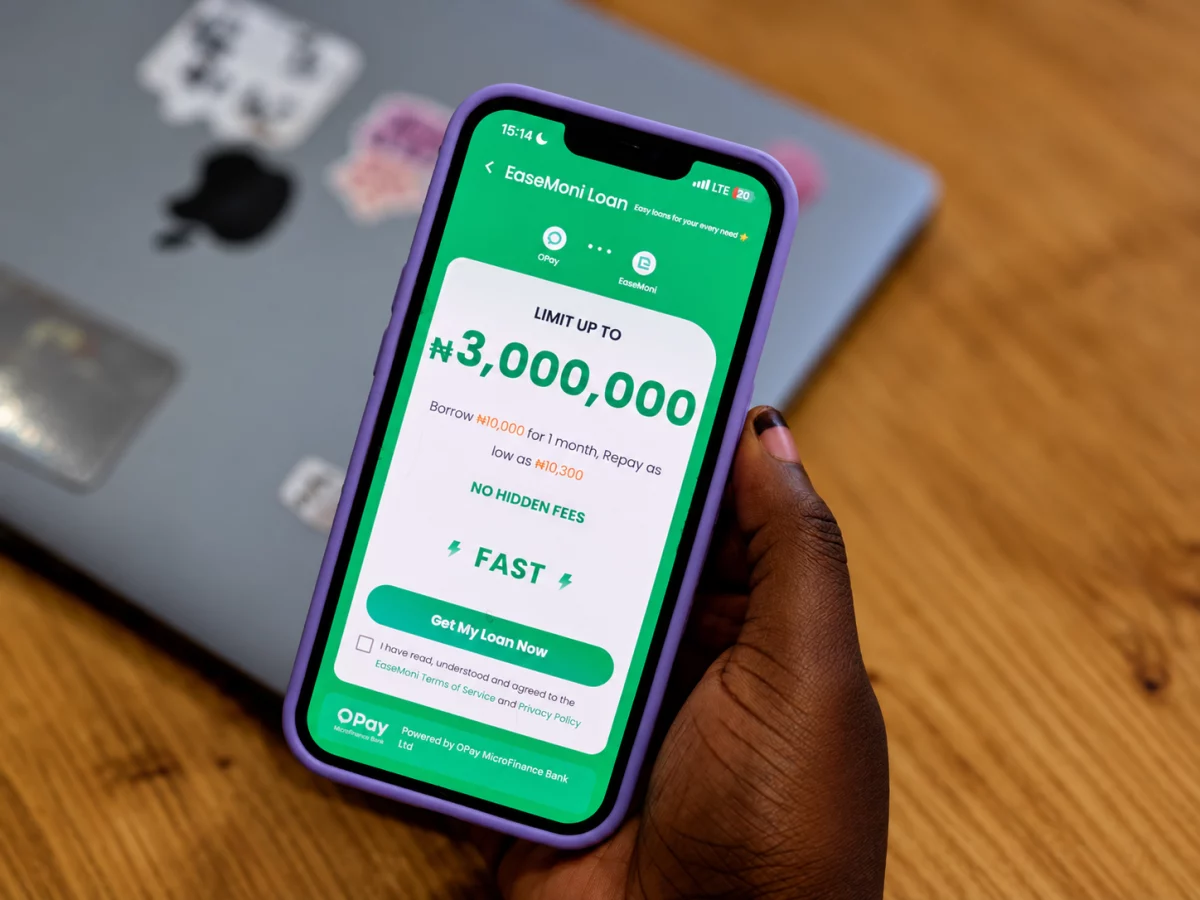
Nigerians expecting the Federal Government’s ₦50,000 relief grant may be concerned about what happens if they owe money to a bank or digital lender.
The National Emergency Relief and Stabilisation Intervention (NERSI) promises that selected beneficiaries will receive the full grant without deductions.
However, the government has not published detailed rules explaining how the support interacts with outstanding personal loans, overdrafts or negative balances in recipients’ existing accounts.
This distinction is important because receiving the full grant in a designated wallet does not necessarily settle what happens if the money is later transferred to another financial account.
What has the government promised?
According to the official NERSI FAQ, each selected beneficiary receives ₦50,000.
The ministry says the full amount is credited without programme deductions.
It also confirms that the support is a grant rather than a loan.
Beneficiaries are therefore not required to repay the ₦50,000 to the government.
However, the FAQ does not specifically address whether a financial institution may apply an existing contractual debt-recovery arrangement after the money has been received.
What if the beneficiary already owes a bank?
Consider a hypothetical beneficiary who has an outstanding bank loan.
The person receives ₦50,000 through a designated NERSI wallet and later transfers the money into an existing bank account.
Whether the receiving bank can apply any of those funds towards an outstanding obligation depends on the relevant account agreements, debt-recovery arrangements and applicable law.
The NERSI FAQ does not establish a blanket exemption from all lawful debt-recovery processes.
Equally, it does not authorise banks to make arbitrary deductions simply because the funds originated from the grant.
Beneficiaries should not assume either outcome without checking the applicable terms.
What if the receiving account has a negative balance?
A negative account balance may arise from an overdraft or other account obligation.
If a person transfers money into such an account, the available balance may be affected by the amount already owed.
For example, consider an account showing a negative balance of ₦15,000.
If ₦50,000 is credited and the account terms permit the existing debit to be offset, the displayed available balance could become ₦35,000.
This is a hypothetical example, not a statement that every Nigerian bank will automatically make such an adjustment.
The precise outcome depends on the account’s conditions.
Is this the same as a government deduction?
No.
The ministry’s no-deduction promise concerns the amount credited under NERSI.
An existing debt or account obligation is a separate financial issue.
For example, a beneficiary could receive the full ₦50,000 in a NERSI wallet and subsequently make a transfer to an account with outstanding obligations.
The fact that the receiving account shows less available money does not, by itself, establish that the government withheld part of the grant.
The beneficiary would need to examine the transaction history and account statement.
Can a digital lender take the money?
The answer depends on the lender’s contractual rights, the payment arrangements previously authorised and applicable law.
The government’s NERSI FAQ does not provide a specific rule covering every digital lending platform.
A lender should not be assumed to have unrestricted access to every wallet or account owned by a borrower.
However, beneficiaries should review any repayment mandates or account authorisations they previously accepted.
If an unexpected deduction occurs, they should request an explanation from the institution involved.
What if the beneficiary has an outstanding debt with the same payment provider?
This is another situation not specifically resolved by the NERSI FAQ.
A beneficiary may use a financial institution for several services, including savings, transfers and borrowing.
The fact that the same institution handles NERSI payments does not establish how every outstanding obligation will be treated.
Recipients should ask the provider whether any existing repayment instruction could affect their available balance.
The answer should be based on the applicable agreement rather than assumptions about the grant.
Should beneficiaries transfer the money immediately?
Not necessarily.
The decision should depend on the recipient’s financial circumstances and the services available through the wallet.
Beneficiaries should understand any existing obligations before moving funds into another account.
They should not assume that transferring money automatically protects it from lawful debt recovery.
Nor should they use misleading account information or attempt to evade legitimate obligations.
What if money is deducted unexpectedly?
The beneficiary should obtain the relevant transaction history and request a written explanation.
The institution should be asked to identify the transaction, the amount and the basis for the deduction.
If the response is unsatisfactory, the person can use the institution’s formal complaints process and any applicable regulatory escalation channel.
They should preserve records showing when the grant arrived and when the disputed deduction occurred.
What should the government clarify?
The ministry could provide specific guidance on whether NERSI grants receive any special protection from debt recovery.
It could also explain how beneficiaries should report cases where they believe money was deducted contrary to programme rules.
Such clarification would be particularly useful because NERSI targets financially vulnerable households, some of whom may already have outstanding financial obligations.
The bigger picture
The government’s promise to credit the full ₦50,000 is important, but it does not answer every question about what happens to the money afterwards.
Beneficiaries with existing debts should distinguish between the original grant payment and subsequent transactions involving their financial accounts.
NERSI guarantees a full ₦50,000 programme credit, but its public guidelines do not establish a universal rule protecting that money from every existing bank debt or repayment arrangement.