
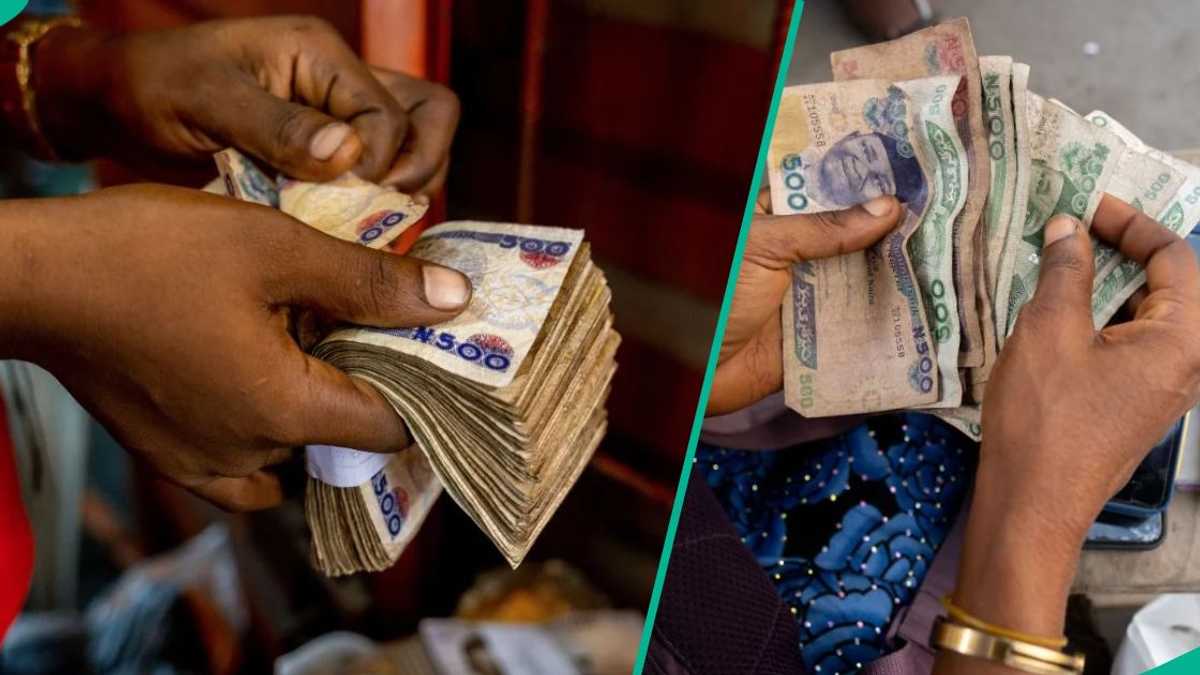
The Federal Government’s ₦50,000 relief programme has created an opportunity for vulnerable Nigerians to receive financial assistance.
However, interest in the National Emergency Relief and Stabilisation Intervention (NERSI) also creates opportunities for fraudsters to exploit people searching for government support.
The ministry has warned Nigerians against fake registration links, payment demands and individuals claiming they can influence beneficiary selection.
Understanding how these schemes operate is essential because some fraudulent instructions may expose victims to losses exceeding the ₦50,000 grant itself.
Here are 10 warning signs Nigerians should recognise.
1. Fake NERSI registration websites
The government says there is no public registration process.
Beneficiaries are selected from existing government records.
Therefore, a website promising immediate selection after completing a registration form is inconsistent with the official programme.
Such websites may attempt to collect personal information or payment details.
2. Agents demanding an application fee
NERSI is free.
The ministry says nobody can charge applicants for registration, selection or payment.
An individual requesting ₦1,000 or ₦5,000 to secure inclusion is not following the government’s rules.
Even a relatively small fee can become profitable for fraudsters if many people pay.
3. Messages promising guaranteed selection
The ministry says selection is automated and cannot be influenced by politicians, officials or agents.
Therefore, anyone claiming to have special access to the beneficiary list should be treated with suspicion.
No private individual can legitimately guarantee that an unselected person will receive the grant.
4. Fake SMS messages imitating payment providers
The programme uses ALAT, MoMo PSB, NairaGram, OPay and Moniepoint.
Fraudsters may attempt to imitate familiar financial brands.
Recipients should not assume that a message is genuine simply because it mentions one of these institutions.
They should verify the instructions against the official NERSI website.
5. Requests for PINs and OTPs
The ministry says no programme official or payment agent should ask beneficiaries to disclose their PINs or one-time passwords.
These credentials can authorise sensitive financial activity.
A caller who asks for them while claiming to process the grant should not be trusted.
6. Fake payment-release charges
A common warning sign is a message claiming that the ₦50,000 has been approved but cannot be released until the recipient pays a fee.
The ministry explicitly says beneficiaries do not need to pay to unlock their support.
Such demands contradict the programme’s published rules.
7. Suspicious USSD codes
The government has published five designated USSD codes.
Beneficiaries should use the code associated with their approved provider.
An unfamiliar code is not automatically fraudulent, but recipients should not follow unverified financial instructions.
The risk depends on what the code does and which transactions the user subsequently authorises.
8. WhatsApp forwarding schemes
The ministry warns that messages promising selection in exchange for forwarding a post are fake.
Sharing a message does not add someone to the National Social Register.
Such schemes may spread misinformation rapidly because recipients believe they are helping relatives and friends.
9. Fake customer-support representatives
Someone may contact a beneficiary claiming to be investigating a failed payment.
The caller could ask for confidential information under the pretext of verifying the wallet.
The safest approach is to end the call and contact the financial institution through its official support channel.
10. Requests to transfer money for verification
A person claiming that beneficiaries must transfer money to a designated account before receiving the grant should be treated as suspicious.
The government says selection, consent and receipt are free.
A demand for advance payment is inconsistent with that promise.
How can Nigerians verify a genuine NERSI message?
The official NERSI FAQ identifies five authorised providers and their USSD codes.
Genuine programme instructions should not demand registration fees, confidential banking credentials or clicks on unfamiliar links.
If a message differs from the official guidance, recipients should verify it independently.
The NERSI programme helpline is 0700-022-2222.
What if someone has already been defrauded?
The person should immediately contact the financial institution involved.
They should report any unauthorised transaction, request appropriate account-security assistance and preserve relevant evidence.
Where credentials have been compromised, the recipient should secure the account through official channels.
The incident may also be reported to appropriate law-enforcement authorities.
Why fraud prevention matters
NERSI targets financially vulnerable households.
This makes fraud particularly damaging because victims may have limited resources to absorb additional losses.
A person hoping to receive ₦50,000 could lose existing savings if deceived into authorising unauthorised transactions.
The government’s no-registration rule is therefore more than an administrative detail.
It is a critical protection against people selling access to a benefit they cannot legitimately control.
Nigerians should never pay for NERSI selection, disclose banking security credentials or follow unverified instructions promising faster access to the ₦50,000 grant.