

9 Traditional Cooking Techniques That Keep Your Food Healthy

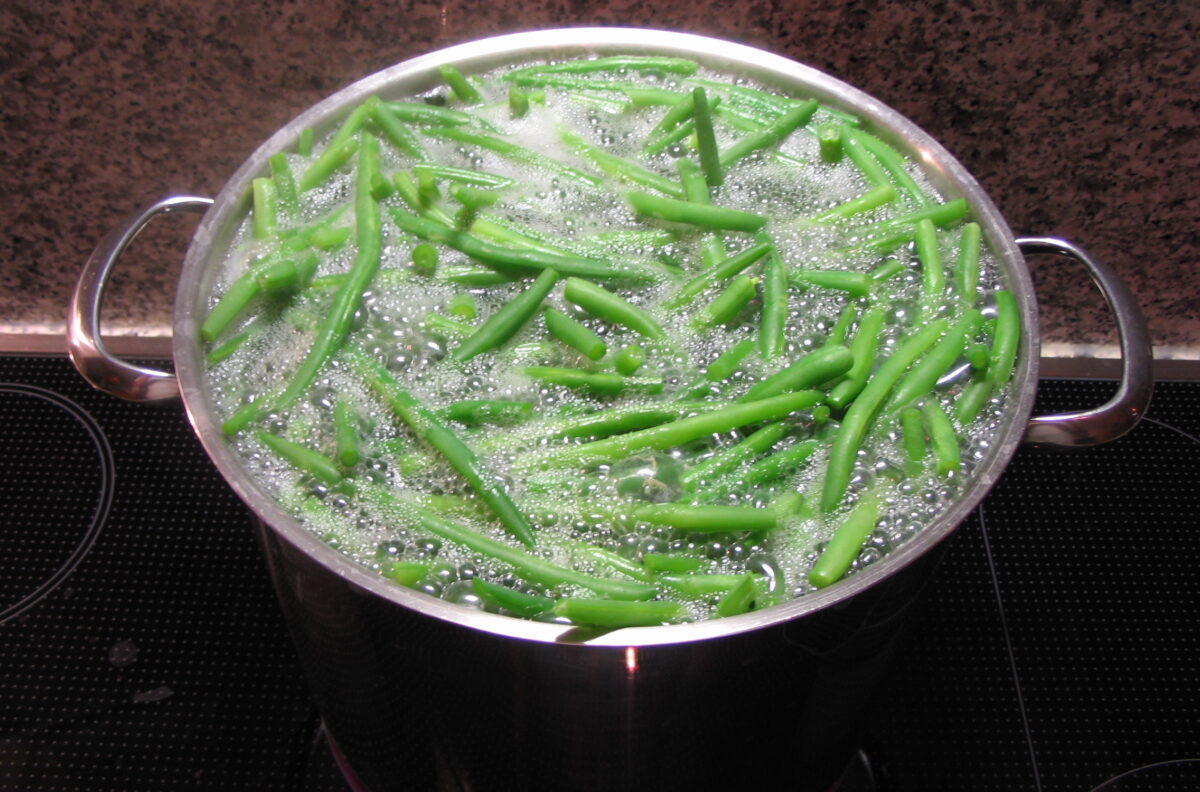
9 traditional cooking techniques that preserve nutrients
Modern kitchens are filled with high-heat appliances and ultra-fast cooking gadgets. Yet nutrition experts say that some of the best ways to preserve vitamins and minerals come from traditional cooking methods passed down through generations.
Excessive heat, prolonged cooking times, and too much water can destroy heat-sensitive nutrients like vitamin C and certain B vitamins. However, several time-tested techniques help retain essential nutrients while enhancing flavor and digestibility.
Here are nine traditional cooking techniques that preserve nutrients, backed by food science and culinary research.
1. Steaming – Gentle Heat, Maximum Retention
Steaming is widely regarded as one of the healthiest cooking methods. Because food does not sit directly in water, water-soluble vitamins like vitamin C and B vitamins are better preserved.
Vegetables such as broccoli, carrots, and spinach retain more antioxidants when steamed compared to boiling.
2. Fermentation – Boosting Nutrient Absorption
Fermentation has been used for centuries to preserve food and enhance nutrition. This process increases beneficial bacteria and can improve nutrient bioavailability.
Fermented foods like yogurt, kimchi, sauerkraut, and traditional grain preparations may enhance gut health and improve mineral absorption.
3. Slow Cooking at Low Temperatures
Low-heat, slow cooking methods such as simmering stews help prevent excessive nutrient breakdown caused by high temperatures.
While prolonged cooking can reduce some vitamins, gentle heat preserves protein quality and enhances the digestibility of legumes and grains.
4. Light Sautéing with Healthy Fats
Quick sautéing over moderate heat using healthy oils like olive oil can help preserve nutrients while improving flavor.
Fat-soluble vitamins, including vitamins A, D, E, and K, are better absorbed when paired with dietary fats.
5. Blanching – Quick and Efficient
Blanching involves briefly boiling vegetables and then immediately cooling them in cold water. This method helps maintain color, texture, and many nutrients.
It is particularly useful before freezing vegetables to preserve nutritional value.
READ ALSO
Struggling with blood sugar spikes? 10 powerful foods that naturally stabilise glucose levels
7 Nutrient Deficiencies You Might Have Right Now, And the Exact Foods That Can Fix Them Fast
6. Pressure Cooking – Faster, Less Nutrient Loss
Although often seen as modern, pressure cooking has long been used in traditional cuisines. Because cooking time is shorter, fewer nutrients are lost compared to prolonged boiling.
Pressure cooking also improves mineral absorption in beans and whole grains.
7. Roasting at Moderate Temperatures
Roasting enhances flavor while preserving many nutrients when done at controlled temperatures.
Avoiding excessive charring helps prevent nutrient degradation and unwanted compounds.
8. Stir-Frying – Quick and Nutrient-Friendly
Stir-frying involves high heat but for a very short time. Because vegetables cook quickly, they retain texture and nutrient density.
Using minimal water and cooking in small batches helps maintain vitamin content.
9. Using the Cooking Liquid
When boiling cannot be avoided, using the leftover cooking liquid in soups or sauces helps reclaim nutrients that leach into the water.
Traditional broths and stews often rely on this principle to preserve minerals and flavor.
Why Cooking Method Matters for Nutrition
Food preparation directly affects nutrient density. Heat-sensitive nutrients can degrade with prolonged exposure to high temperatures.
Experts recommend combining nutrient-preserving techniques with fresh, whole ingredients to maximize health benefits.
Balanced cooking methods can support immune health, digestion, and overall wellness.
FAQ
What cooking method preserves the most nutrients?
Steaming is often considered one of the best methods for preserving water-soluble vitamins like vitamin C and B vitamins.
Does boiling destroy nutrients?
Boiling can cause some vitamins to leach into water. Using minimal water or consuming the cooking liquid can reduce nutrient loss.
Is pressure cooking healthy?
Yes. Pressure cooking reduces cooking time, which may help preserve nutrients while improving mineral absorption in certain foods.
Does roasting reduce nutritional value?
Roasting at moderate temperatures preserves many nutrients, though excessive heat and charring may reduce vitamin content.
Is stir-frying better than deep-frying?
Yes. Stir-frying uses less oil and shorter cooking times, helping maintain nutrient density compared to deep-frying.
Why is fermentation considered healthy?
Fermentation enhances gut-friendly bacteria and can improve nutrient absorption and digestive health.
How can I cook vegetables without losing nutrients?
Use steaming, stir-frying, blanching, or low-temperature roasting, and avoid overcooking.