

8 Smart Travel Habits Frequent Flyers Swear By to Save More Money Than You Expect

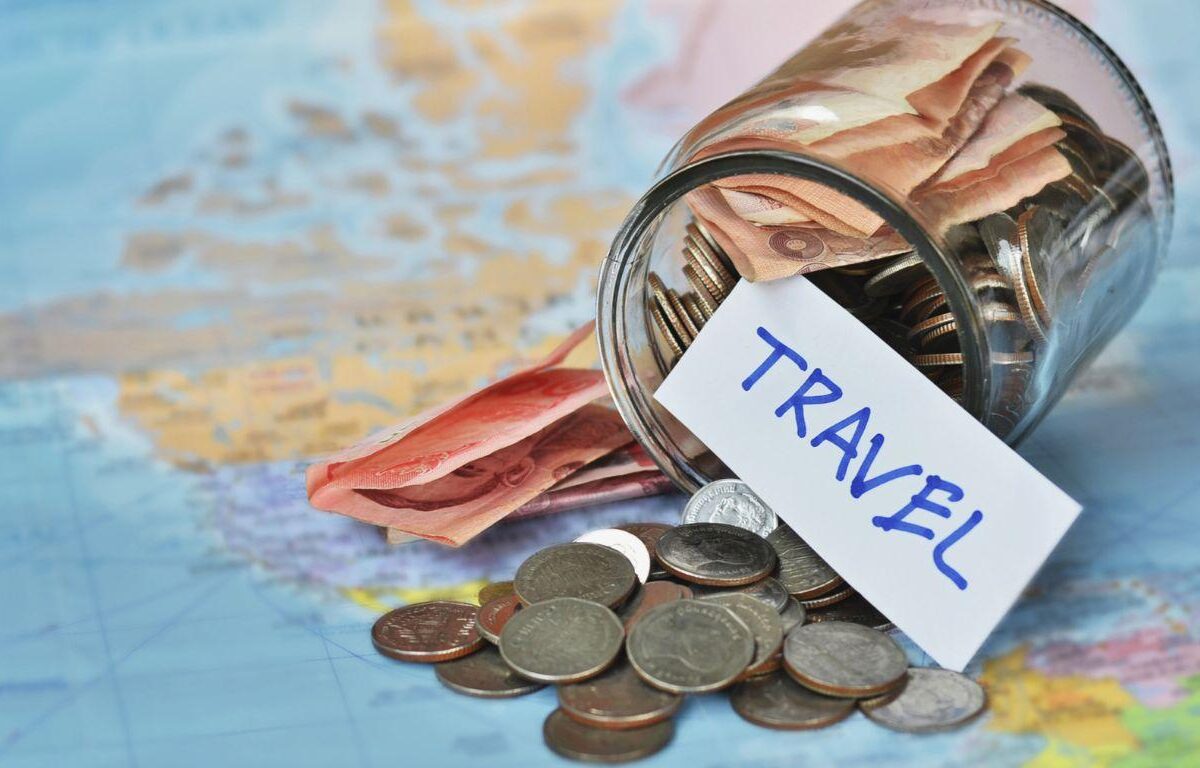
8 travel habits that can save you more money
Travel can feel expensive long before the trip even begins. Between rising airfares, hotel rates, baggage charges, airport meals, and surprise booking fees, even a short getaway can quickly stretch a budget. But travel experts say saving money does not always require extreme sacrifices or last-minute luck.
In many cases, the biggest savings come from simple, repeatable habits rather than dramatic travel hacks. Small decisions, like booking smarter, packing lighter, comparing transport options, or avoiding tourist-area spending traps, can quietly reduce costs across the entire trip.
As more travellers look for ways to explore without overspending, budget travel specialists say the most effective strategies are often the ones that become routine. These habits may not seem dramatic at first, but over time, they can save far more than many people realize.
Below are 8 travel habits that can save you more money than you think, whether you are planning a weekend getaway, a business trip, or a long vacation.
1. Travel With Carry-On Only Whenever Possible
One of the fastest ways to cut travel costs is avoiding checked baggage.
Budget airlines and even major carriers often charge significant fees for checked bags, and those costs can rise further on return flights or multi-city trips. Travel experts say learning to pack efficiently in a carry-on can save money while also reducing the risk of lost luggage and long waits at baggage claim.
For shorter trips especially, packing versatile outfits, travel-size toiletries, and lightweight essentials can make a noticeable difference in overall spending.
2. Be Flexible With Travel Dates and Flight Times
Rigid schedules often cost more.
Travel experts say travellers who can shift their departure by a day or choose early morning or late-night flights often find better deals. Midweek departures are frequently cheaper than peak weekend demand, while avoiding major holiday windows can significantly lower fares and hotel rates.
Even small flexibility can unlock lower prices, especially when combined with fare alerts and comparison tools.
3. Book Accommodation Based on Total Value, Not Just Nightly Price
The cheapest hotel listing is not always the cheapest stay.
Budget travel analysts say travellers should compare the total cost, including taxes, service charges, parking fees, breakfast value, resort fees, and transport convenience. A hotel farther from the city center may look cheaper but could lead to higher daily spending on taxis or ride-hailing.
Likewise, accommodations with kitchen access, free breakfast, or airport shuttles may save more money overall than a lower base rate elsewhere.
4. Use Public Transport or Walk for Short Distances
Transport costs can quietly drain a travel budget.
Frequent travellers say one of the smartest money-saving habits is learning the basics of local transport instead of relying entirely on taxis or ride-hailing apps. Trains, buses, metro systems, and airport shuttles often cost a fraction of private transport.
In walkable destinations, simply planning routes in advance can also save money while helping travellers experience more of the local area.
READ ALSO
9 Weekend Getaway Planning Tips Busy Professionals Swear By for Stress-Free Travel
10 Essential Things Smart Travellers Always Research Before Visiting a New Country
5. Avoid Buying Every Meal in Tourist Hotspots
Food spending is one of the most underestimated travel expenses.
Experts say constantly eating in airport terminals, hotel restaurants, or heavily touristed zones can inflate daily costs fast. One of the best travel habits is mixing experiences: enjoy a few special meals, but balance them with grocery stops, local casual spots, or simple breakfasts.
Buying water, snacks, fruit, or light meals from supermarkets and neighborhood shops can significantly reduce spending without making the trip feel restrictive.
6. Set a Daily Budget Before the Trip Starts
Many travellers overspend because they never define a spending limit.
Budget travel planners say setting a realistic daily budget for food, transport, activities, and extras can create better decisions in real time. It does not need to be rigid, but having a target helps prevent emotional spending, especially in airports, souvenir areas, and last-minute add-ons.
This habit is particularly effective because it keeps small expenses from becoming a big surprise at the end of the trip.
7. Watch Out for Hidden Booking and Currency Fees
Some of the most frustrating travel costs are the ones travellers do not notice until it is too late.
Experts say travellers should pay close attention to booking platforms, airline extras, card foreign transaction fees, ATM charges, and dynamic currency conversion prompts. In many cases, choosing to pay in the local currency rather than your home currency can help avoid inflated exchange rates at checkout.
These hidden costs may seem minor individually, but across flights, hotels, and daily purchases, they can add up quickly.
8. Plan Activities Early Instead of Booking Everything Last Minute
Spontaneity can be fun, but it can also be expensive.
Travel experts say popular attractions, transport passes, and guided experiences often cost less when booked in advance. Early planning can also help travellers identify free-entry days, bundled city passes, discounted time slots, or lower off-peak pricing.
That does not mean every hour of a trip needs to be scheduled. It simply means high-demand expenses are easier to manage when they are researched ahead of time.
Why Smart Travel Habits Matter More Than Viral Travel Hacks
Travel experts increasingly say that consistent money-saving habits are more useful than flashy internet travel hacks.
While viral tips may promise dramatic discounts, sustainable savings usually come from repeated choices: avoiding unnecessary baggage fees, choosing better-value accommodation, tracking daily spending, and being intentional with meals and transport. These habits do not just reduce costs once, they improve every trip.
For travellers dealing with inflation, fluctuating airfares, and tighter budgets, small adjustments can create meaningful savings without sacrificing comfort or experience.
In the long run, the smartest travellers are not always the ones finding miracle deals. Often, they are the ones building habits that quietly keep more money in their pocket from departure to return.
FAQ
What are the best travel habits to save money?
Some of the best travel habits to save money include packing carry-on only, being flexible with travel dates, using public transport, setting a daily budget, avoiding tourist-area food spending, and watching out for hidden fees.
How can I save money when booking flights?
You can save money on flights by comparing prices, setting fare alerts, travelling midweek, avoiding peak holiday periods, booking early when possible, and staying flexible with flight times.
Is it cheaper to travel with carry-on only?
Often, yes. Travelling with carry-on only can help avoid checked baggage fees, reduce airport wait times, and lower the risk of paying extra for overweight luggage.
What hidden travel fees should I watch out for?
Common hidden travel fees include checked baggage charges, seat selection fees, resort fees, parking charges, airport transfer costs, foreign transaction fees, ATM fees, and dynamic currency conversion markups.
Does booking hotels early really save money?
In many cases, yes. Booking early can provide better rates, more choices, and access to refundable options before prices rise closer to travel dates.
How do I avoid overspending on food while travelling?
A practical approach is to mix special dining experiences with low-cost meals. Grocery stores, local casual restaurants, and carrying snacks can help keep food costs under control.
Is public transport better than taxis for saving money?
Usually, yes. In many destinations, public transport costs far less than taxis or ride-hailing and can be especially effective for airport transfers and city travel.
Should I pay in local currency or my home currency abroad?
Experts often recommend paying in local currency when using your card abroad, as this can help you avoid poor exchange rates from dynamic currency conversion.
What is the smartest way to budget for a trip?
Set a daily budget for meals, transport, activities, and extras before you travel. This helps you make better spending decisions and avoid surprise costs later.
Are last-minute bookings always more expensive?
Not always, but they often can be, especially for flights, popular attractions, and accommodations in high-demand destinations. Planning ahead usually gives you more control over costs.