

7 Smart Ways to Shop Healthy in Local Markets

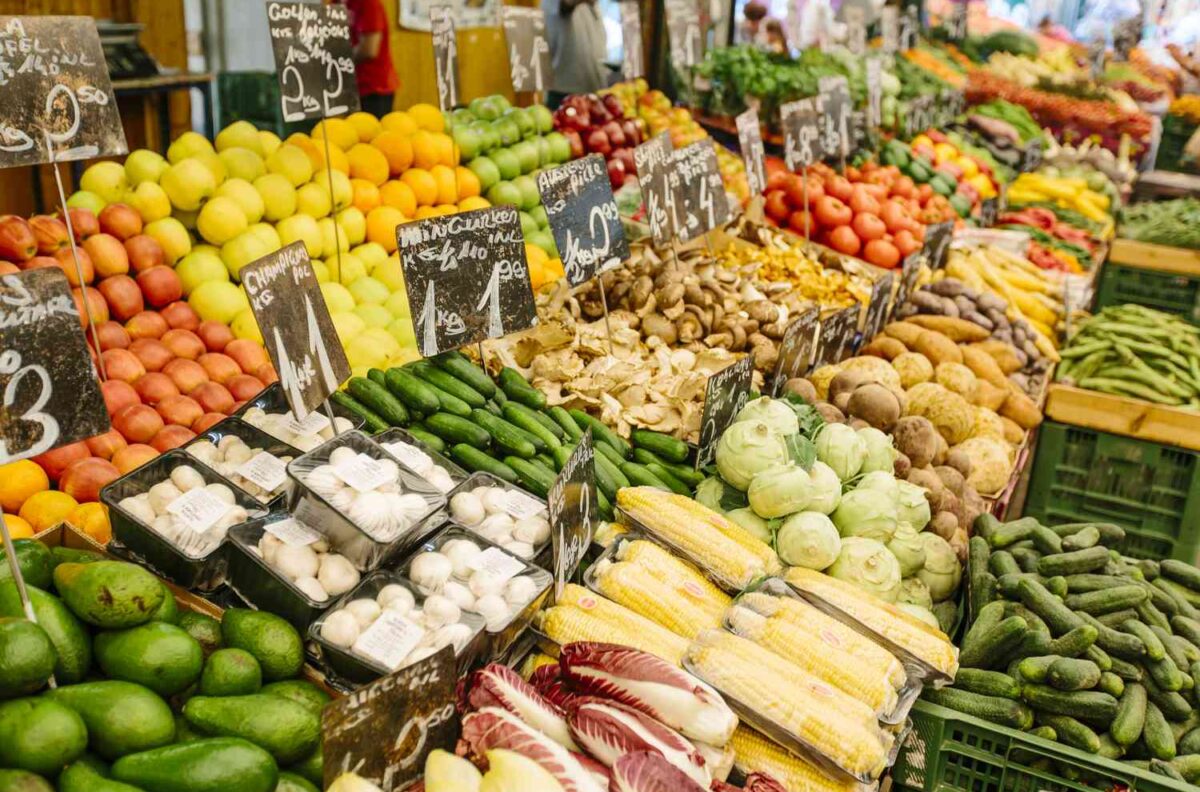
Fresh produce and smart shopping at a local food market
Shopping at local markets has long been associated with fresher food, better prices, and stronger community ties. But as food costs rise and health awareness grows, knowing how to shop healthy in local markets has become a vital life skill, not just a lifestyle choice. Nutrition experts say the way you navigate open markets can directly affect your diet quality, budget, and long-term wellness.
Here are seven smart, expert-backed ways to shop healthy in local markets, while avoiding common mistakes that quietly sabotage nutrition goals.
1. Arrive Early for the Freshest and Most Nutritious Foods
Timing matters more than most shoppers realize. Early-morning visits give you first access to freshly harvested fruits, vegetables, and lean proteins. Produce that hasn’t been exposed to prolonged heat or handling retains more nutrients and flavor, making early shopping a quiet advantage for health-conscious buyers.
Vendors are also more attentive earlier in the day, often willing to share sourcing details or offer better selections.
2. Shop Seasonal Produce for Maximum Health Benefits
Seasonal foods are not just cheaper, they’re nutritionally superior. Fruits and vegetables grown in their natural season contain higher vitamin and antioxidant levels compared to out-of-season imports.
For example, leafy greens flourish in cooler months, while tomatoes and peppers peak during warmer seasons. Choosing seasonal produce ensures your diet naturally rotates, improving nutrient diversity and gut health.
3. Build Your Basket Around Whole, Unprocessed Foods
Local markets shine when it comes to whole foods, fresh vegetables, fruits, grains, fish, eggs, and legumes. Nutritionists advise filling at least 70% of your basket with items that have no labels, additives, or packaging.
This approach reduces hidden sugar, sodium, and unhealthy fats commonly found in processed foods, supporting better heart health and weight management.
READ ALSO
12 Foods That Support Better Skin From the Inside Out
15 Unexpected Flavor Pairings Top Chefs Swear By
4. Learn to Spot Freshness Without Labels
Unlike supermarkets, local markets don’t rely on expiry dates. Healthy shoppers learn visual cues:
- Bright, firm vegetables indicate freshness
- Fish should smell clean, not “fishy”
- Eggs should feel heavy and clean
- Fruits should be fragrant, not dull
These signs help you avoid nutrient-depleted food while gaining confidence as a smarter buyer.
5. Talk to Vendors and Ask Smart Questions
One of the biggest advantages of local markets is direct access to sellers. Asking where produce comes from or how animals are raised can help you avoid chemical-heavy or overly processed foods.
Vendors often recommend the freshest items of the day and even share cooking tips, turning shopping into an educational experience that improves dietary choices.
6. Stick to a Simple Plan to Avoid Impulse Buying
Local markets can be overwhelming. Health experts recommend arriving with a loose plan, vegetables first, proteins next, fruits last. This strategy prevents impulse purchases of fried snacks or sugary treats that often line market paths.
A focused approach keeps spending in check while ensuring balanced meals throughout the week.
7. Don’t Ignore Local Grains, Beans, and Traditional Foods
Many shoppers overlook locally sourced grains and legumes, yet these foods are nutritional powerhouses. Beans, millet, sorghum, and local rice varieties offer fiber, plant protein, and essential minerals that support digestion and heart health.
Incorporating traditional foods also preserves cultural diets that research increasingly links to longevity.
Why Shopping Healthy in Local Markets Matters More Than Ever
With rising rates of diet-related diseases, experts agree that food choices made at local markets can shape long-term health outcomes. Beyond nutrition, these markets promote sustainability, support small farmers, and reduce reliance on heavily processed imports.
Healthy shopping is no longer about spending more, it’s about shopping smarter.
FAQ
Is shopping at local markets healthier than supermarkets?
Yes. Local markets often offer fresher, less processed foods with fewer preservatives, leading to higher nutritional value.
What are the healthiest foods to buy at local markets?
Fresh vegetables, seasonal fruits, legumes, whole grains, eggs, fish, and minimally processed local staples are the healthiest options.
How can I avoid unhealthy foods at local markets?
Shop early, stick to whole foods, avoid fried snacks, and follow a basic shopping plan to reduce impulse buying.
Are local market foods more affordable?
In many cases, yes. Seasonal and locally grown foods often cost less due to reduced transportation and storage expenses.
How do I know if produce is fresh without expiry dates?
Check firmness, color, smell, and texture. Fresh produce looks vibrant and smells clean.
Can shopping at local markets support weight loss?
Absolutely. Buying whole, nutrient-dense foods helps reduce calorie intake while improving satiety and metabolism.
How often should I shop at local markets for healthy eating?
Once or twice weekly is ideal to ensure freshness while allowing flexibility in meal planning.