

7 Life-Changing Cultural Lessons You Can Only Learn by Travelling the World

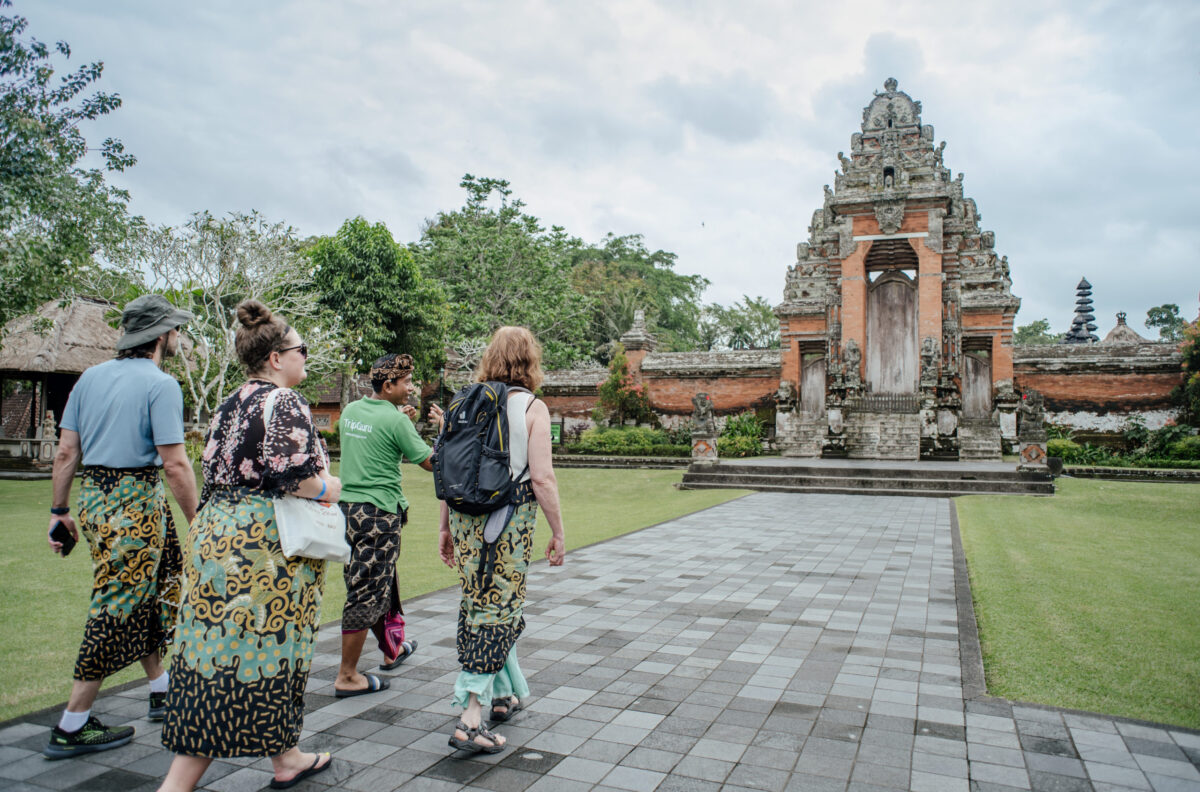
Travel experiences offer valuable cultural lessons and global perspectives
In an increasingly interconnected world, travel has become more than a leisure activity. For millions of people, it serves as an education beyond classrooms and textbooks, offering firsthand exposure to different traditions, beliefs and ways of life.
Experts in cultural studies and tourism frequently emphasise that travel can foster empathy, broaden perspectives and challenge long-held assumptions. While books and documentaries can provide knowledge about foreign cultures, certain lessons can only be fully understood through personal experiences.
From navigating unfamiliar customs to appreciating diverse lifestyles, here are seven cultural lessons that travellers often say changed the way they see the world.
1. There Is No Single “Right” Way to Live
One of the first lessons many travellers encounter is the realization that everyday practises vary significantly across cultures.
Meal times, family structures, work-life balance and social etiquette differ from country to country. What may seem unusual to one person can be completely normal elsewhere.
Experiencing these differences firsthand often helps travellers understand that cultures develop unique traditions based on history, geography and social values.
This lesson encourages greater openness and reduces the tendency to judge other societies through a narrow cultural lens.
2. Hospitality Looks Different Around the World
Travel frequently reveals that kindness and generosity can take many forms.
In some cultures, guests are welcomed with elaborate meals and gifts. In others, hospitality may be expressed through small gestures, local guidance or simple acts of assistance.
Many travellers return home with stories of strangers who helped them navigate unfamiliar places, demonstrating that human connection transcends language and borders.
These experiences often strengthen appreciation for community and shared humanity.
3. Language Is More Than Words
Travelling abroad quickly highlights the importance of communication beyond spoken language.
Facial expressions, body language, gestures and tone often become essential tools when interacting with people who speak different languages.
At the same time, travellers learn that certain gestures considered polite in one culture may carry entirely different meanings elsewhere.
This understanding promotes patience, adaptability and greater respect for cultural nuances.
4. Time Is Viewed Differently Across Cultures
Punctuality and attitudes toward time can vary significantly around the world.
Some societies place strong emphasis on strict schedules and efficiency, while others prioritize relationships and flexibility over exact timing.
Experiencing these differences can help travellers become more adaptable and less frustrated when encountering unfamiliar social norms.
Many people return from international trips with a deeper appreciation for alternative approaches to balancing work, leisure and relationships.
READ ALSO
11 Vacation Mistakes That Can Ruin Your Trip Instantly
10 Travel Trends Changing How People Explore the World in 2026
5. Food Reflects History and Identity
Cuisine is often one of the most memorable aspects of travel because food tells stories about culture, migration, geography and tradition.
Trying local dishes allows travellers to understand how communities have adapted to their environments and preserved their heritage through generations.
Sharing meals with local residents can also provide valuable insights into family values, celebrations and daily life.
For many travellers, food becomes a gateway to deeper cultural understanding.
6. Diversity Strengthens Communities
Visiting different countries exposes people to a wide range of religions, traditions and lifestyles.
These experiences often challenge stereotypes and encourage greater acceptance of cultural diversity.
Meeting people from different backgrounds can reveal shared hopes and values despite differences in language, politics or customs.
Researchers have long noted that cross-cultural experiences contribute to empathy and global awareness.
7. Travel Encourages Humility and Self-Reflection
Perhaps one of the most profound lessons travel offers is humility.
Being immersed in unfamiliar environments reminds people that their own experiences represent only a small part of the world.
Travel can challenge assumptions, expose knowledge gaps and encourage deeper curiosity about global issues.
Many travellers report returning home with greater appreciation for both their own culture and those they encountered abroad.
Why Cultural Travel Matters More Than Ever
As globalization continues to connect societies, understanding different cultures has become increasingly important.
Educational experts argue that cultural awareness can improve communication, reduce prejudice and strengthen international relationships.
Travel remains one of the most effective ways to gain these insights because it provides direct, personal experiences that cannot be replicated through digital media alone.
Whether through conversations with locals, exploring historical sites or participating in cultural traditions, travel offers lessons that often leave lasting impacts long after a journey ends.
In a world where cultural misunderstandings can easily arise, the ability to appreciate different perspectives may be one of travel’s most valuable gifts.
FAQ
What cultural lessons can people learn through travel?
Travel teaches lessons about diversity, empathy, communication, adaptability, hospitality and different ways of living.
Why is travel important for cultural understanding?
Travel provides firsthand experiences that help people understand traditions, customs and perspectives that differ from their own.
How does travelling change a person’s perspective?
Travel often challenges assumptions, encourages open-mindedness and helps individuals appreciate global diversity.
Can travel make people more empathetic?
Yes. Studies suggest that interacting with different cultures can improve empathy and reduce stereotypes.
Why do people say travel broadens the mind?
Exposure to different lifestyles, beliefs and experiences helps people develop wider perspectives and a deeper understanding of the world.
What are the educational benefits of travel?
Travel enhances cultural awareness, communication skills, problem-solving abilities and global knowledge.
How does food help travellers understand culture?
Traditional cuisine often reflects a country’s history, geography and social values, making food an important cultural learning experience.
Why is cultural awareness important today?
In an increasingly globalized world, cultural awareness supports better communication, mutual respect and international cooperation.
Can travel improve communication skills?
Yes. Travellers often learn to communicate through gestures, patience and adaptability when facing language barriers.
How does travel encourage personal growth?
Travel pushes people outside their comfort zones, helping them become more independent, confident and open-minded.
What is cultural tourism?
Cultural tourism involves travelling to experience local traditions, heritage sites, arts, cuisine and ways of life.
Is travelling one of the best ways to learn about other cultures?
Many experts believe so because direct interaction with people and communities offers insights that books and online resources cannot fully replicate.