

7 Budget-Friendly Ingredients With High Nutritional Value

7 budget-friendly ingredients with high nutritional value. Image Credit: Getty Images
Healthy eating is often marketed as expensive, but nutrition experts say that idea can be misleading. While trendy “superfoods” and specialty products may dominate wellness conversations, many of the most nutrient-dense ingredients are also some of the most affordable items in the kitchen.
In fact, budget-conscious staples like beans, oats, eggs, and leafy greens can provide a powerful mix of protein, fiber, vitamins, minerals, and healthy fats without driving up grocery costs. For households trying to eat better while managing food inflation, these simple ingredients can make a major difference.
Experts note that nutritional value is not defined by price tag or branding. Instead, it comes down to what foods consistently deliver essential nutrients that support energy, digestion, immunity, heart health, and overall wellness. That means affordable pantry and produce staples often outperform expensive packaged options.
As more people search for practical ways to eat healthier for less, nutrition professionals say these are 7 budget-friendly ingredients with high nutritional value worth adding to your weekly meals.
1. Beans and Lentils Offer Low-Cost Protein and Fiber
Beans and lentils are among the most recommended budget foods for a reason.
Nutrition experts say they are rich in plant-based protein, dietary fiber, iron, folate, and complex carbohydrates, making them highly effective for satiety and steady energy. They are also versatile enough to work in soups, stews, salads, rice dishes, and meatless meals.
Because dried and canned varieties are widely available at low cost, beans and lentils are often considered one of the best-value ingredients for building healthier meals on a budget.
2. Oats Provide Lasting Energy and Heart-Healthy Benefits
Oats remain one of the most affordable breakfast staples with impressive nutritional value.
They are well known for their soluble fiber, particularly beta-glucan, which experts say may help support heart health and promote fullness. Oats also provide complex carbohydrates, small amounts of protein, and important minerals like manganese and magnesium.
Beyond breakfast, oats can be used in smoothies, homemade snacks, baked goods, and even savory dishes, making them a flexible ingredient for low-cost meal planning.
3. Eggs Deliver High-Quality Protein at a Reasonable Price
Eggs are often described by nutrition experts as one of the most efficient whole-food protein sources for the price.
They contain high-quality protein, plus nutrients such as vitamin B12, choline, selenium, and vitamin D. Choline, in particular, plays an important role in brain function and cell health.
Because eggs can be used in breakfasts, lunches, dinners, and quick snacks, they remain a reliable budget staple for people looking to improve nutrition without relying on expensive protein products.
4. Sweet Potatoes Pack Fiber, Vitamins, and Versatility
Sweet potatoes are frequently recommended as an affordable nutrient-rich carbohydrate.
They provide fiber, vitamin A, vitamin C, potassium, and antioxidants, while also offering a naturally sweet flavor that works in both savory and simple meal combinations. Nutrition experts say they can be a smarter alternative to highly processed side dishes because they offer more micronutrients and better satiety.
Roasted, boiled, mashed, or baked, sweet potatoes are an easy ingredient for budget-friendly meal prep.
READ ALSO
10 Brain-Boosting Foods That Can Naturally Improve Focus and Concentration Every Day
8 Kitchen Habits That Can Instantly Make Your Meals Healthier
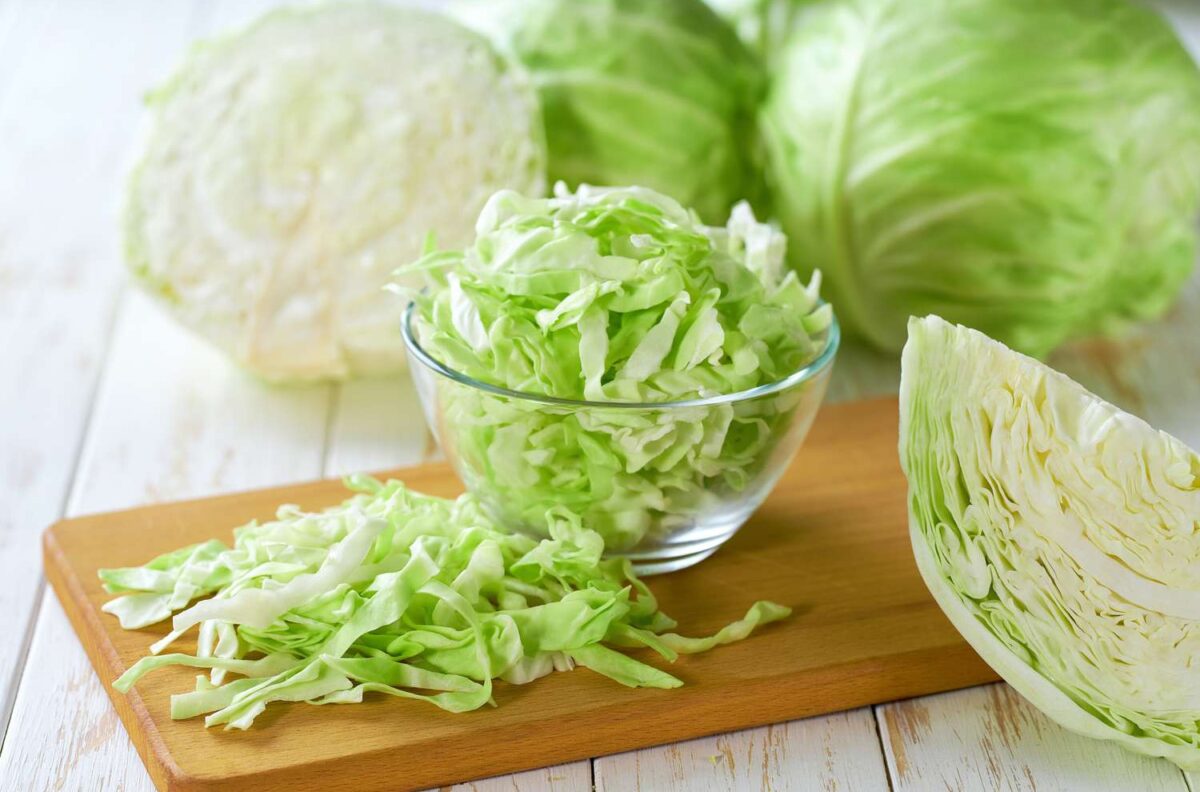
5. Cabbage Is One of the Most Underrated Low-Cost Vegetables
Cabbage may not have the hype of trendy greens, but experts say it is one of the most cost-effective vegetables in the produce aisle.
It is typically rich in vitamin C, vitamin K, fiber, and plant compounds that support overall health. Because it has a long shelf life compared with more delicate greens, cabbage can also help reduce food waste, an important factor for budget-conscious households.
It works well in stir-fries, salads, soups, wraps, and cooked side dishes, making it both practical and nutritious.
6. Sardines Offer Affordable Protein and Omega-3s
Sardines are one of the most nutrient-dense budget proteins many shoppers overlook.
Nutrition professionals often highlight sardines for their protein, omega-3 fatty acids, calcium, vitamin D, and vitamin B12. These nutrients can support heart health, bone health, and brain function.
Because canned sardines are shelf-stable and usually less expensive than many fresh fish options, they can be a smart addition for people who want seafood nutrition without premium prices.
7. Plain Yogurt Can Support Protein Intake and Gut Health
Plain yogurt, especially unsweetened varieties, is another affordable ingredient that offers strong nutritional value.
It often provides protein, calcium, probiotics, and key vitamins, depending on the type. Experts say it can support bone health and may help diversify the gut microbiome when it contains live cultures.
Using plain yogurt instead of sugary flavored versions can also reduce added sugar intake. It can be eaten on its own, paired with fruit and oats, or used in sauces, dressings, and marinades.
Why Budget-Friendly Nutrition Matters More Than Ever
With grocery prices remaining a concern for many households, experts say the conversation around healthy eating needs to become more realistic and practical.
Nutritious meals do not require premium products, imported superfoods, or expensive diet trends. In many cases, the most effective ingredients are simple staples that have long been part of traditional cooking. The key is choosing foods that offer a strong balance of protein, fiber, vitamins, minerals, and versatility.
For families, students, and busy professionals alike, affordable nutrition can start with small decisions: adding beans to meals, choosing oats over sugary cereals, using eggs for quick protein, or building meals around produce that stretches further.
In a time when wellness often feels expensive, these budget-friendly ingredients with high nutritional value prove that smart food choices can still be accessible.
FAQ
What are the most budget-friendly ingredients with high nutritional value?
Some of the best budget-friendly ingredients with high nutritional value include beans, lentils, oats, eggs, sweet potatoes, cabbage, sardines, and plain yogurt. These foods offer a strong mix of protein, fiber, vitamins, and minerals at relatively low cost.
Can you eat healthy on a budget?
Yes. Nutrition experts say healthy eating on a budget is very possible when you focus on whole foods, pantry staples, seasonal produce, and versatile ingredients instead of expensive packaged “health” products.
What are the cheapest foods that are still healthy?
Some of the cheapest healthy foods include beans, oats, eggs, potatoes, cabbage, frozen vegetables, bananas, rice, lentils, and canned fish. These foods often provide more nutrition per cost than highly processed convenience foods.
Which budget foods are high in protein?
Affordable high-protein foods include eggs, beans, lentils, plain yogurt, sardines, canned tuna, peanuts, and milk. These options can help support muscle maintenance and satiety without high grocery costs.
Are oats really a healthy budget food?
Yes. Oats are widely considered a healthy budget food because they provide fiber, complex carbohydrates, and heart-supportive nutrients, while also being inexpensive and easy to prepare.
Why are beans and lentils considered superfoods on a budget?
Beans and lentils are often called budget superfoods because they are rich in plant protein, fiber, iron, folate, and slow-digesting carbohydrates. They are also filling, versatile, and usually low-cost.
Is canned fish still nutritious?
Yes. Canned fish such as sardines can be highly nutritious. They often provide protein, omega-3 fatty acids, calcium, vitamin D, and vitamin B12, making them a strong budget-friendly option.
What vegetables are healthy and cheap?
Affordable vegetables with strong nutritional value often include cabbage, carrots, sweet potatoes, onions, spinach, frozen mixed vegetables, and seasonal produce.
How can I make healthy meals without spending too much?
Start with low-cost staples like beans, eggs, oats, rice, yogurt, and vegetables, then build simple meals around them. Buying in bulk, choosing store brands, and reducing food waste can also help.
Are expensive superfoods better than cheap whole foods?
Not always. Many expensive superfoods are heavily marketed, but affordable whole foods often deliver equal or better everyday nutrition. Experts generally recommend focusing on consistency and nutrient density rather than trend-driven labels.