

6 Warning Signs You Need a Digital Declutter Before Your Screen Habits Burn You Out

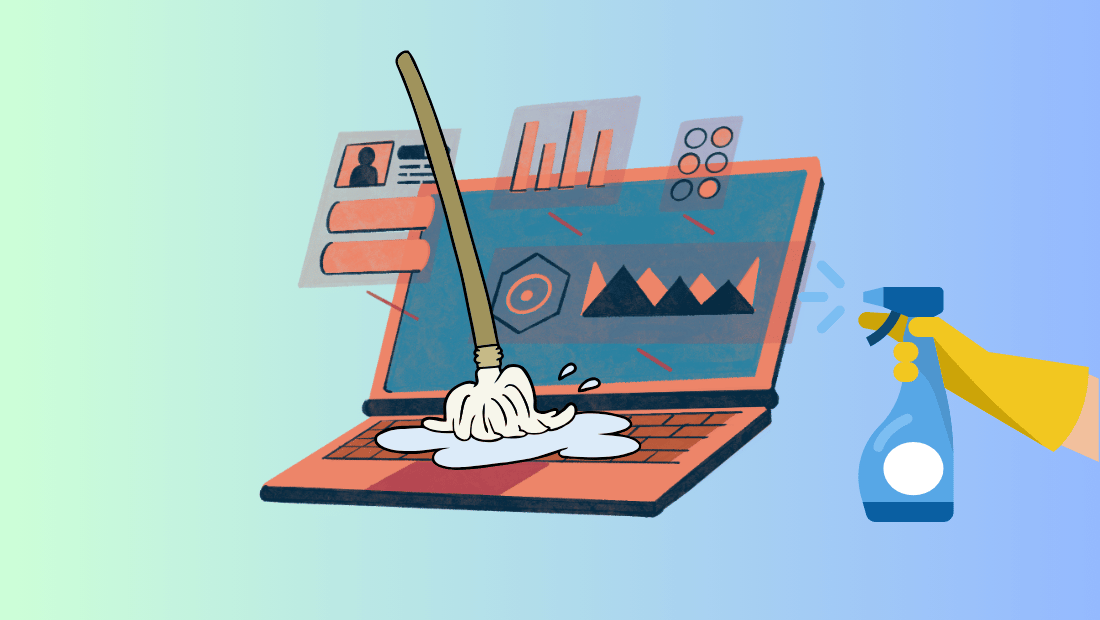
6 signs you need a digital declutter now
For many people, digital overload no longer feels unusual, it feels normal. Between constant notifications, crowded inboxes, endless tabs, social media scrolling, and overflowing photo galleries, daily screen use can quietly become more chaotic than helpful.
Experts in productivity and digital wellness say this buildup often leads to more than simple annoyance. Over time, digital clutter can contribute to mental fatigue, reduced focus, decision overload, increased stress, and a constant sense of distraction. While the problem may look harmless on the surface, the long-term impact can affect work, sleep, relationships, and emotional well-being.
A digital declutter does not mean deleting your entire online life or abandoning technology. Instead, it means reducing unnecessary digital noise so your devices become more useful and less mentally draining. Much like cleaning a physical space, the goal is to create more clarity, efficiency, and peace of mind.
As more people search for ways to improve screen habits and reclaim focus, digital wellness experts say these are 6 signs you need a digital declutter sooner rather than later.
1. Your Notifications Feel Constant and Mentally Exhausting
One of the clearest signs of digital clutter is notification overload.
If your phone constantly lights up with app alerts, emails, social media updates, shopping promotions, and group chats, your brain may be stuck in a near-constant state of interruption. Experts say even when you do not respond immediately, repeated notifications can fragment attention and make it harder to focus deeply.
When alerts start feeling stressful rather than helpful, it is often a strong sign your digital environment needs a reset.
2. You Have Hundreds (or Thousands) of Unread Emails
An overflowing inbox is one of the most common forms of digital clutter.
Unread messages, promotional emails, old newsletters, and forgotten account notifications can create a background sense of unfinished business. Productivity experts say this visual overload can increase anxiety and make important emails harder to spot.
If opening your inbox feels overwhelming, it may be time to unsubscribe, archive aggressively, create folders, and reduce the digital noise that builds up every day.
3. You Constantly Switch Between Apps, Tabs, and Tasks
Digital clutter often shows up as fragmented attention.
If you regularly bounce between multiple browser tabs, messaging apps, social platforms, streaming content, and unfinished work tasks, you may be experiencing a form of screen-driven mental scatter. Experts say this habit can reduce concentration, slow productivity, and create the illusion of busyness without real progress.
When your devices start pulling your attention in too many directions at once, a digital declutter can help restore focus.
READ ALSO
9 Online Safety Rules Experts Say Everyone Should Follow to Avoid Scams and Cyber Threats
7 Tech Tools That Can Instantly Make Your Life More Organized and Less Stressful
4. Your Phone Storage Is Always Full
A device that is always running out of space can be more than a technical issue, it can be a sign of unmanageable digital accumulation.
Thousands of duplicate photos, unused apps, old downloads, forgotten screenshots, cached files, and saved videos can crowd your device over time. Experts say cluttered storage can slow performance, create frustration, and make it harder to find what actually matters.
If you are constantly deleting random files just to make room, that is often a clear signal your digital habits need cleanup.
5. Social Media Feels Draining More Than Enjoyable
Social media can become digital clutter when it stops serving a purpose and starts becoming emotional background noise.
If your feeds leave you feeling distracted, tense, overstimulated, or emotionally depleted, experts say it may be time to reevaluate who you follow, how often you check apps, and what content is shaping your mental space. Doomscrolling, comparison fatigue, and constant updates can turn casual browsing into a source of stress.
A digital declutter often starts with curating feeds and reducing unnecessary online input.
6. You Rarely Feel Fully Offline or Mentally Present
One of the strongest warning signs is when you struggle to disconnect, even briefly.
If you reach for your phone during every quiet moment, check messages reflexively, or feel uneasy without constant digital stimulation, experts say your devices may be occupying more mental space than you realize. This can affect sleep quality, conversations, concentration, and even your ability to rest.
When being offline feels uncomfortable instead of refreshing, a digital declutter may be overdue.
Why a Digital Declutter Matters in Everyday Life
Digital clutter is easy to ignore because it accumulates gradually. A few extra apps, another newsletter, more screenshots, another group chat, another streaming tab—it rarely feels urgent in the moment. But over time, this constant accumulation can create a digital environment that is noisy, inefficient, and mentally draining.
Experts say a digital declutter can improve more than just device organization. It can support better focus, reduced stress, clearer priorities, stronger productivity, healthier boundaries with technology, and a better relationship with your time.
Simple changes often make the biggest difference: turning off non-essential notifications, deleting unused apps, cleaning up cloud storage, organizing files, unsubscribing from emails, and setting intentional screen limits. The goal is not perfection. The goal is creating a digital space that works for you instead of against you.
In an age of constant connection, recognizing the signs early can help prevent burnout and restore a healthier balance between convenience and control.
FAQ
What is a digital declutter?
A digital declutter is the process of reducing unnecessary digital noise on your devices and online accounts. This can include deleting unused apps, cleaning up files, turning off non-essential notifications, organizing photos, and unsubscribing from unwanted emails.
What are the signs you need a digital declutter?
Common signs include constant notification overload, a crowded inbox, too many open tabs, full phone storage, draining social media use, and difficulty disconnecting from screens.
How does digital clutter affect mental health?
Digital clutter can increase stress, distraction, mental fatigue, decision overload, and feelings of overwhelm. It may also reduce focus and make it harder to feel mentally present.
Is a digital declutter the same as a digital detox?
Not exactly. A digital declutter focuses on organizing and reducing digital mess, while a digital detox usually means taking a temporary break from screens or specific apps.
How often should I do a digital declutter?
Many experts recommend doing a light digital declutter weekly or monthly, with a deeper cleanup every few months depending on your device use and workload.
What should I delete first during a digital declutter?
Start with the biggest sources of digital noise: unused apps, old downloads, duplicate photos, spam emails, unnecessary notifications, and forgotten browser tabs or bookmarks.
Can a digital declutter improve productivity?
Yes. Reducing digital clutter can make it easier to focus, find important files faster, avoid distractions, and reduce the mental burden caused by constant digital interruptions.
Why do notifications feel so overwhelming?
Notifications can overwhelm the brain because they repeatedly interrupt attention, trigger urgency, and create a sense that everything needs immediate response—even when it does not.
How can I declutter my phone without losing important data?
Back up important files first, then review apps, photos, downloads, and cloud storage carefully. Delete duplicates, archive what you need, and organize essential items into folders.
What is the easiest way to start a digital declutter?
The easiest place to start is with notifications and inbox cleanup. Turning off unnecessary alerts and unsubscribing from unwanted emails can quickly reduce digital stress.