

15 Unexpected Flavor Pairings Top Chefs Swear By

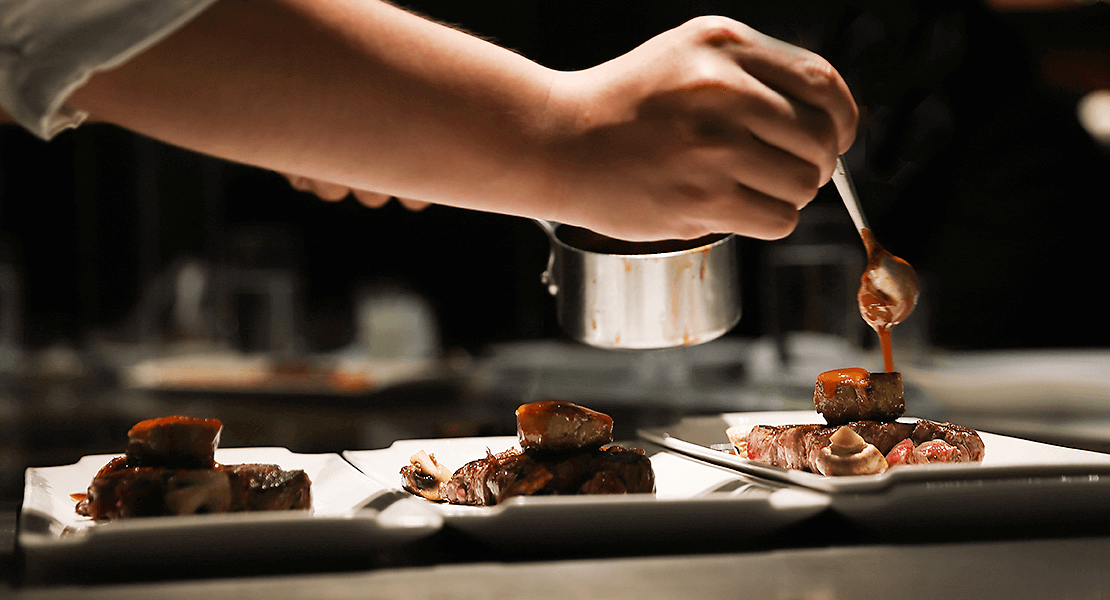
Unexpected flavor pairings chefs secretly love
In professional kitchens, flavor mastery goes far beyond salt and pepper. Chefs rely on unexpected ingredient pairings, many rooted in food science, to create depth, balance, and memorability. While home cooks often stick to familiar combinations, culinary experts say bold, unconventional pairings are the secret behind restaurant-quality dishes. Here are 15 surprising flavor combinations chefs use that most people rarely try, but absolutely should.
1. Chocolate and Chili: Sweet Heat Balance
Dark chocolate paired with chili peppers enhances complexity by combining bitterness, sweetness, and controlled heat. Chefs use this pairing in sauces, desserts, and even savory stews.
2. Strawberries and Black Pepper: Elevated Freshness
Black pepper intensifies strawberries’ natural sweetness by activating shared aromatic compounds, making this pairing a favorite in high-end desserts.
3. Watermelon and Feta: Sweet Meets Salty
The crisp sweetness of watermelon contrasts perfectly with salty, creamy feta, creating balance and refreshment in salads and appetizers.
4. Coffee and Beef: Deep Umami Enhancement
Chefs often rub coffee grounds into beef before roasting or grilling. The bitterness amplifies umami and adds a smoky, rich undertone.
5. Apples and Cheddar: Classic but Underrated
This pairing balances sharpness and sweetness, delivering contrast that chefs use in pastries, sandwiches, and elevated cheese boards.
6. Honey and Blue Cheese: Bold Contrast
Sweet honey softens blue cheese’s pungency, creating a luxurious balance commonly found in upscale appetizers and salads.
7. Vanilla and Olive Oil: Shockingly Sophisticated
Vanilla enhances olive oil’s fruity notes. Chefs drizzle olive oil over vanilla ice cream or cakes for a subtle, aromatic twist.
8. Pineapple and Chili: Tropical Heat
This pairing works because sweetness tames spice. It’s frequently used in global cuisines, from street food to gourmet sauces.
READ ALSO
Is your gut healthy? 10 fermented foods proven to supercharge digestion and immunity
12 Foods That Support Better Skin From the Inside Out
9. Lemon and Thyme: Bright Earthiness
Lemon’s acidity lifts thyme’s herbal depth, making this duo a staple for roasted vegetables, poultry, and seafood.
10. Dark Chocolate and Sea Salt: Flavor Amplification
Salt doesn’t just season chocolate, it intensifies cocoa notes, making desserts taste richer without added sugar.
11. Bacon and Maple Syrup: Sweet-Savory Perfection
The smoky saltiness of bacon paired with maple syrup creates a balanced indulgence chefs use in brunch dishes and glazes.
12. Pear and Blue Cheese: Elegant Contrast
Juicy pears counteract blue cheese’s sharpness, offering texture and flavor balance in gourmet salads and flatbreads.
13. Ginger and Pumpkin: Warm Complexity
Ginger’s spice cuts through pumpkin’s richness, making this pairing popular in soups, desserts, and seasonal dishes.
14. Orange and Fennel: Fresh Anise Brightness
Citrus acidity enhances fennel’s mild licorice notes, delivering freshness and crunch in chef-style salads.
15. Miso and Caramel: Sweet Umami Fusion
Miso adds depth and saltiness to caramel, creating a layered flavor chefs use in modern desserts and sauces.
FAQ
1. What are flavor pairings in cooking?
Flavor pairings are combinations of ingredients that complement or enhance each other based on taste, aroma compounds, and contrast.
2. Why do some strange food combinations taste good?
Many unusual pairings share similar aromatic molecules or create contrast that heightens flavor perception.
3. How do chefs create unique flavor combinations?
Chefs use food science, cultural traditions, and experimentation to balance sweet, salty, bitter, sour, and umami elements.
4. What is the most surprising flavor pairing that works?
Vanilla and olive oil, chocolate and chili, and miso and caramel are among the most unexpected yet chef-approved pairings.
5. Can beginners try these flavor pairings at home?
Yes. Start small, add one new pairing to familiar dishes to understand balance and taste.
6. Are sweet and savory combinations healthy?
They can be, depending on ingredients. Many pairings use natural foods like fruit, herbs, and spices rather than processed sugars.
7. How do I know which flavors go together?
Understanding flavor profiles and experimenting with contrast or shared aromas is key.
8. What tools do chefs use for flavor pairing?
Chefs rely on experience, tasting, and sometimes flavor-pairing charts based on molecular gastronomy.
9. Are these pairings used in professional kitchens?
Yes. Many are staples in fine dining and modern fusion cuisine.
10. Can flavor pairing improve home cooking?
Absolutely. The right pairing can elevate simple dishes into restaurant-quality meals.