

10th Senate tightens standing rules, blocks ex-Governors from top roles ahead of 2027

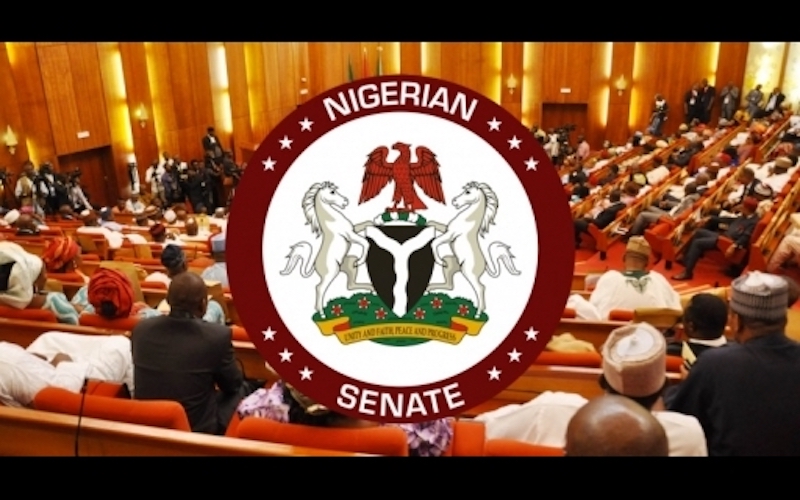
10th Senate rule change reshapes 2027 leadership race
In a significant political development, the 10th Senate of Nigeria has amended its standing rules, introducing stricter eligibility criteria for leadership positions in a move that could reshape the balance of power ahead of the 2027 general elections.
The decision, presided over by Senate President Godswill Akpabio, effectively restricts access to top offices such as Senate President and principal leadership roles to lawmakers with at least two consecutive terms of service.
This amendment is already generating intense debate, particularly as it appears to limit the influence of incoming political heavyweights, including former governors seeking to transition into the National Assembly.
What Changed: New Rules on Senate Leadership Eligibility
The revised rules introduce a clear and stricter hierarchy for leadership selection within the Senate.
Under the new framework:
- Only senators with a minimum of eight years (two consecutive terms) can contest for presiding offices like Senate President and Deputy Senate President.
- Principal offices, including Senate Leader, Chief Whip, and Minority Leader, are now restricted to lawmakers with continuous legislative experience.
Previously, eligibility was broader, allowing any ranking senator with at least one term to contest. The updated rules now narrow the field significantly, prioritizing institutional experience over political influence.
Why the 10th Senate Made the Change to Standing Rules
The timing of the amendment is critical. With several governors expected to complete their tenure by 2027, many are positioning to enter the Senate and potentially vie for leadership roles immediately.
Figures such as Hope Uzodimma, Ifeanyi Okowa, and Ovie Omo-Agege have been linked to possible ambitions within the red chamber.
By tightening eligibility, the Senate appears to be protecting its internal hierarchy and ensuring that leadership positions remain within the control of experienced lawmakers already embedded in the system.
Immediate Political Impact: Who Gains and Who Loses
The amendment has far-reaching implications:
1. Setback for Incoming Political Heavyweights
Outgoing governors and returning politicians will no longer be able to immediately contest for top Senate roles, regardless of their political clout.
2. Advantage for Incumbent Senators
Current members of the Senate, especially those with two consecutive terms, stand to benefit significantly, as the rules consolidate their influence.
3. Reduced External Political Influence
The change limits the ability of powerful political actors outside the Senate to quickly dominate legislative leadership, reinforcing internal governance structures.
READ ALSO
Why was Jimoh Ibrahim Senate seat declared vacant? What happens next
Impact on 2027 Elections and Power Dynamics
The rule amendment is widely viewed as a strategic political move ahead of 2027.
With at least 10 governors expected to leave office, the Senate could have faced an influx of high-profile entrants seeking leadership control. The new rules effectively block this pathway, ensuring that experience within the chamber, not external political power, determines leadership.
This could lead to:
- More stable legislative leadership
- Reduced political disruption within the Senate
- A shift in how politicians plan post-governorship careers
However, critics argue that it may also limit fresh perspectives and competition, potentially reinforcing entrenched power structures.
Other Key Amendments Introduced
Beyond leadership eligibility, the Senate also implemented additional reforms aimed at improving efficiency and governance:
- Structured plenary sessions now fixed between Tuesday and Thursday
- Committee limits, restricting senators to a maximum of seven committees
- Creation of a new committee on reparation and repatriation
- Expanded oversight responsibilities across regional development commissions
These changes indicate a broader attempt to streamline legislative operations while strengthening institutional discipline.
Controversy and Opposition Within the Senate
Despite broad support, the amendment was not without dissent.
Adams Oshiomhole emerged as the lone voice opposing the move, raising concerns about the process and implications. His objections, however, were overruled as the Senate adopted the changes through a voice vote.
The resistance highlights ongoing tensions within the chamber over fairness, inclusivity, and political strategy.
A Defining Moment for Nigeria’s Legislature
The decision by the 10th Senate of Nigeria marks a turning point in Nigeria’s legislative politics.
By prioritizing experience and continuity, the Senate is redefining the pathway to leadership and setting the tone for the 11th National Assembly.
Whether this leads to greater stability or reduced democratic competitiveness remains to be seen. But one thing is clear: the rules of the game have changed, and the 2027 political landscape will not be the same.
FAQ
1. What is the new rule introduced by Nigeria’s 10th Senate?
The Senate now requires lawmakers to have at least two consecutive terms before they can contest for top leadership positions.
2. Who is affected by the Senate rule change?
The rule mainly affects incoming senators, including former governors and political figures who planned to contest leadership roles immediately.
3. Why did the Senate amend its rules?
The amendment aims to preserve institutional experience, maintain stability, and prevent external political dominance in Senate leadership.
4. Can first-time senators become Senate President?
No. Under the new rules, only senators with a minimum of eight years of continuous service are eligible.
5. How does this affect the 2027 elections?
It reshapes political strategies by limiting leadership opportunities for new entrants, thereby strengthening incumbent lawmakers’ influence.
6. Who opposed the Senate rule amendment?
Adams Oshiomhole was the only senator who openly opposed the decision during the session.
7. What are principal offices in the Senate?
They include positions like Senate Leader, Chief Whip, Minority Leader, and their deputies.
8. Does the rule change improve governance?
Supporters argue it ensures experienced leadership, while critics say it may limit competition and fresh ideas.
9. What is a ranking senator in Nigeria?
A ranking senator is one who has previous legislative experience, either in the Senate or House of Representatives.
10. What is the long-term impact of this amendment?
The change could lead to greater stability in the Senate, but may also reinforce existing power structures and reduce political diversity.