

Richard Smallwood: 10 things to know about ‘Total Praise’ composer

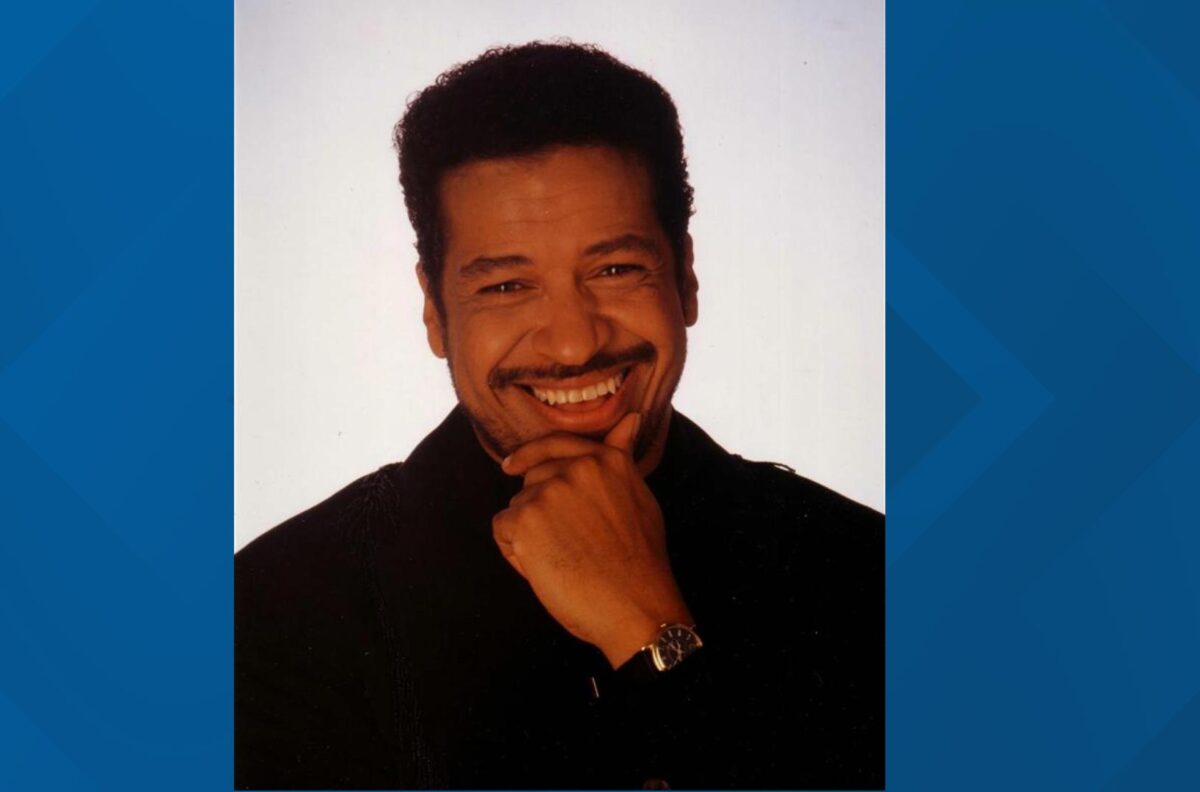
Richard Smallwood death
Richard Smallwood was more than a gospel singer or composer—he was a musical architect whose work redefined worship for generations. For over five decades, his compositions blended classical sophistication, jazz depth, and deep spiritual conviction, shaping the sound of contemporary gospel music across churches and concert halls worldwide. From writing timeless anthems like “Total Praise” to mentoring choirs and inspiring mainstream artists, Smallwood’s influence stretched far beyond the pulpit. As tributes continue to pour in following his death at 77, here are ten essential things to know about the man whose music became the language of praise for millions.
1. He was a pioneer of contemporary gospel music
Richard Smallwood helped modernize gospel music by introducing complex harmonies and orchestral arrangements, setting a new standard for worship music that balanced reverence with musical excellence.
2. Washington, D.C., was the center of his musical formation
Though born in Atlanta, Smallwood was raised in Washington, D.C., where his upbringing at Union Temple Baptist Church deeply influenced his faith, discipline, and musical philosophy.
3. He displayed extraordinary musical talent from childhood
He began playing the piano by ear at five, started formal training by seven, and formed his own gospel group at just eleven years old.
4. He studied under and alongside music greats
At McKinley Technology High School, Smallwood was taught by Roberta Flack. At Howard University, he studied with future icons like Donny Hathaway, Debbie Allen, and Phylicia Rashad.
5. Howard University shaped his professional journey
Smallwood graduated cum laude from Howard University with a degree in music. He was a founding member of the Howard University Gospel Choir and part of The Celestials.
6. He founded the Richard Smallwood Singers in 1977
Inspired by the Edwin Hawkins Singers, Smallwood created a group that brought a progressive sound to gospel music, eventually dominating Billboard’s Spiritual Albums chart.
7. His music enjoyed sustained commercial success
His debut album spent 87 weeks on Billboard’s Spiritual Albums chart, while Psalms reached No. 1 and earned a Grammy nomination.
8. He wrote gospel’s most enduring worship anthems
Songs like “Total Praise,” “Center of My Joy,” and “I Love the Lord” remain core staples in church worship and gospel performances worldwide.
9. His work crossed cultural and global boundaries
Smallwood’s compositions were performed by Whitney Houston, Destiny’s Child, and Boyz II Men. His group also toured the Soviet Union in the late 1980s, breaking cultural barriers through gospel music.
10. His legacy was rooted in ministry, not fame
Beyond accolades, Smallwood viewed himself as a minister of music. His autobiography, Total Praise, revealed his struggles with grief and depression and his commitment to healing through worship.
Frequently Asked Questions (FAQ)
Who was Richard Smallwood?
Richard Smallwood was an American gospel composer, singer, and music minister widely regarded as one of the most influential figures in contemporary gospel music.
What is Richard Smallwood best known for?
He is best known for writing gospel classics such as “Total Praise,” “Center of My Joy,” and “I Love the Lord.”
How did Richard Smallwood die?
Richard Smallwood died from complications related to kidney failure.
How old was Richard Smallwood when he died?
He was 77 years old.
Where was Richard Smallwood from?
He was born in Atlanta, Georgia, but raised in Washington, D.C.
Did Richard Smallwood win a Grammy Award?
He received multiple Grammy nominations but did not win a Grammy Award.
Which artists have covered Richard Smallwood’s songs?
Artists such as Whitney Houston, Destiny’s Child, Boyz II Men, Ron Kenoly, and Tanya Goodman-Sykes have performed his compositions.
What was Richard Smallwood’s last album?
His final album, Anthology, was released in 2015.
Did Richard Smallwood write a book?
Yes. He published Total Praise: The Autobiography in 2019.
Is Richard Smallwood survived by family?
Yes. He is survived by his siblings, nieces, nephews, and godchildren.