

Struggling with blood sugar spikes? 10 powerful foods that naturally stabilise glucose levels

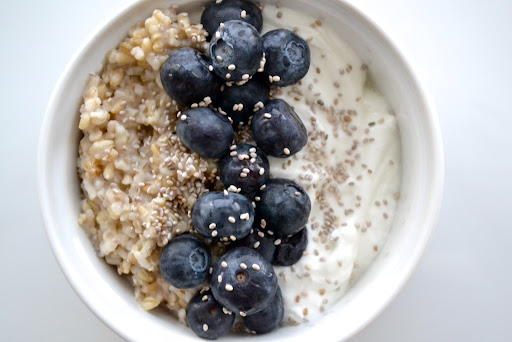
10 foods that naturally stabilise blood sugar
Blood sugar spikes and crashes can leave you feeling fatigued, irritable, and constantly hungry. Over time, unstable glucose levels may increase the risk of insulin resistance, type 2 diabetes, and heart disease. The good news? Strategic food choices can significantly improve blood sugar control.
Nutrition experts consistently emphasise that fiber-rich, protein-dense, and healthy-fat foods play a critical role in slowing glucose absorption and preventing sharp spikes. Here are 10 foods that naturally help stabilize blood sugar levels, backed by nutritional science.
1. Oats: High-Fiber Whole Grain for Steady Energy
Oats contain beta-glucan, a soluble fiber that slows digestion and glucose absorption. Unlike refined cereals, whole oats help prevent rapid blood sugar spikes and promote longer-lasting energy.
Choosing minimally processed oats instead of instant varieties offers even greater blood sugar benefits.
2. Leafy Greens: Low-Carb, Nutrient-Dense Powerhouses
Spinach, kale, and other leafy greens are extremely low in carbohydrates but rich in magnesium, a mineral linked to improved insulin sensitivity.
Adding leafy greens to meals can lower overall glycemic load without sacrificing nutrients.
3. Nuts: Healthy Fats That Slow Glucose Release
Almonds, walnuts, and pistachios provide healthy fats, protein, and fiber, a powerful combination for stabilizing blood sugar.
Regular nut consumption has been associated with improved metabolic health and reduced insulin resistance.
4. Beans and Lentils: Plant Protein With Low Glycemic Impact
Legumes are high in fiber and plant-based protein, which help regulate digestion and minimize glucose spikes.
Studies show that incorporating beans and lentils into meals can significantly reduce post-meal blood sugar levels.
5. Greek Yogurt: Protein-Rich and Gut-Friendly
Unsweetened Greek yogurt contains high-quality protein and probiotics that support gut health. Balanced gut bacteria may positively influence glucose metabolism.
Avoid flavored versions that contain added sugars.
READ ALSO
7 Smart Ways to Make Homemade Snacks Healthier
7 Nutrient Deficiencies You Might Have Right Now, And the Exact Foods That Can Fix Them Fast
6. Chia Seeds: Fiber-Packed Blood Sugar Stabilizer
Chia seeds absorb liquid and form a gel-like texture, slowing carbohydrate digestion and glucose release.
Just one tablespoon adds fiber, omega-3 fatty acids, and protein to meals or smoothies.
7. Avocados: Healthy Fats That Prevent Spikes
Avocados are low in carbohydrates but rich in monounsaturated fats and fiber. This nutrient profile helps prevent rapid blood sugar fluctuations.
They also support heart health, a critical factor for individuals managing diabetes risk.
8. Berries: Low-Glycemic Sweet Option
Unlike many fruits, berries are relatively low in sugar and high in antioxidants and fiber.
Strawberries, blueberries, and raspberries provide natural sweetness without causing dramatic glucose spikes.
9. Eggs: Zero-Carb Protein Source
Eggs contain no carbohydrates and are packed with protein, helping maintain stable blood sugar throughout the day.
Research suggests that starting the day with protein may reduce glucose variability later on.
10. Cinnamon: A Spice Linked to Improved Insulin Sensitivity
Cinnamon has been studied for its potential role in enhancing insulin sensitivity and lowering fasting blood sugar levels.
While not a substitute for medical treatment, incorporating cinnamon into a balanced diet may offer modest benefits.
Why Stabilizing Blood Sugar Matters
Maintaining balanced blood sugar levels supports sustained energy, improved focus, and reduced cravings. Long-term stability also lowers the risk of metabolic conditions.
Key strategies include:
- Prioritizing whole foods over refined carbohydrates
- Combining carbohydrates with protein or healthy fats
- Avoiding sugary beverages
- Maintaining consistent meal timing
Diet alone does not replace medical advice, but these foods can form a strong nutritional foundation.
FAQ
What foods help stabilize blood sugar naturally?
Fiber-rich whole grains, leafy greens, nuts, legumes, Greek yogurt, chia seeds, avocados, berries, eggs, and cinnamon are commonly recommended for supporting stable glucose levels.
How can I prevent blood sugar spikes after meals?
Combine carbohydrates with protein and healthy fats, choose low-glycemic foods, increase fiber intake, and avoid sugary drinks.
Are oats good for blood sugar control?
Yes. Whole oats contain soluble fiber that slows digestion and reduces post-meal glucose spikes.
Can cinnamon lower blood sugar levels?
Some studies suggest cinnamon may improve insulin sensitivity and modestly reduce fasting blood sugar, though it should not replace medical treatment.
What is the best breakfast for stable blood sugar?
A high-protein breakfast such as eggs with leafy greens or Greek yogurt with nuts and seeds can promote steady energy.
Are fruits bad for blood sugar?
Not all fruits. Berries, apples, and pears are lower-glycemic options and can be included in moderation.
How quickly can diet improve blood sugar levels?
Dietary improvements can influence blood sugar within days to weeks, but long-term consistency is essential.