

Wiandre Pretorius: 10 things to know about ex-police reservist who died in Gauteng

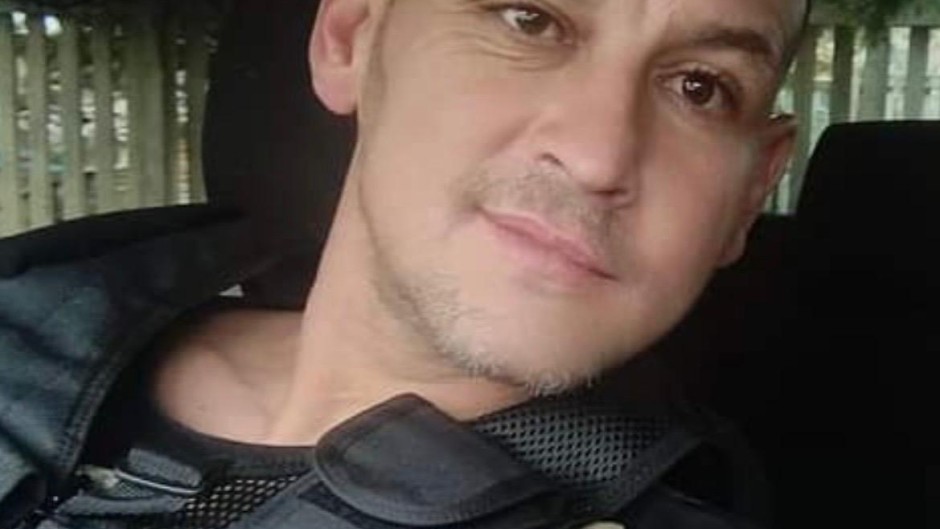
What happened to Wiandre Pretorius? Ex-police reservist linked to witness D Murder dies by suicide
The death of Wiandre Pretorius has sent shockwaves through Gauteng and reignited public debate around police accountability, witness protection, and unresolved high-profile murder cases. Once a police reservist in Ekurhuleni, Pretorius’ name later surfaced in connection with some of South Africa’s most disturbing allegations involving alleged extrajudicial violence and witness killings.
His death—by apparent suicide—came just days after he claimed to have survived a targeted shooting, leaving behind a trail of unanswered questions and ongoing investigations.
Below are ten key things to know about Wiandre Pretorius, his background, and why his death matters.
1. He Was a Former Ekurhuleni Police Reservist
Wiandre Pretorius previously served as a reservist within policing structures in Ekurhuleni, Gauteng. Police reservists support regular officers and may take part in patrols, investigations, and operational duties. His association with law enforcement placed him within sensitive policing environments long before he became a subject of criminal scrutiny.
2. He Died by Apparent Suicide in Brakpan
Pretorius, aged 41, died after allegedly shooting himself at a filling station in Brakpan. Police confirmed that an inquest docket was opened to investigate the circumstances surrounding his death. Detectives and forensic teams attended the scene, and the matter remains under investigation.
3. His Death Followed a Claimed Attempt on His Life
Just days before his death, Pretorius reported that he had survived an assassination attempt at his home in Boksburg. According to police, unknown gunmen allegedly followed him into his driveway and opened fire on his vehicle. His bakkie was later found riddled with at least 16 bullet holes, leading to the opening of an attempted murder case.
4. He Was a Person of Interest in the Murder of Witness D
Pretorius was identified by police as a person of interest in the murder of Marius “Vlam” van der Merwe, also known as Witness D. Van der Merwe was gunned down in Brakpan in December, a killing that drew national attention due to his role as a state witness.
5. Witness D Had Implicated Him at the Madlanga Commission
Before his death, Witness D testified at the Madlanga Commission of Inquiry, where he implicated Pretorius in serious criminal activities. His testimony placed Pretorius under intensified scrutiny and made him a significant figure in ongoing investigations linked to police misconduct.
6. He Was Linked to the Emmanuel Mbhense Case
Pretorius was also implicated in the 2022 killing of Emmanuel Mbhense. Mbhense allegedly died after being tortured during an interrogation involving members of the Ekurhuleni Metropolitan Police Department. The case sparked widespread public outrage and raised serious questions about the abuse of power within law enforcement.
7. He Was Never Convicted of Any Crime
Despite being named during commission proceedings and identified as a person of interest in murder investigations, Pretorius had not been convicted of any crime at the time of his death. All allegations against him remained under investigation.
8. Graphic Footage of His Death Circulated Online
Following his death, videos purportedly showing the incident circulated widely on social media. Police and advocacy groups urged the public not to share graphic or distressing content, emphasizing respect for the deceased’s family and the integrity of the investigative process.
9. His Death May Impact Ongoing Criminal Cases
Pretorius’ death could complicate ongoing investigations into the murders of both Emmanuel Mbhense and Marius van der Merwe. As a central figure in both cases, his death may limit investigators’ ability to obtain testimony or clarify unresolved aspects of the allegations.
10. His Case Highlights Broader Concerns About Policing and Justice
The rise and fall of Wiandre Pretorius—from law enforcement reservist to a figure linked to alleged torture, witness testimony, and murder investigations—has become symbolic of deeper systemic challenges. His death has renewed calls for stronger oversight of policing institutions, improved witness protection, and greater accountability within South Africa’s criminal justice system.