

Why Tim Walz won’t run again, and how a growing fraud scandal reshaped Minnesota politics

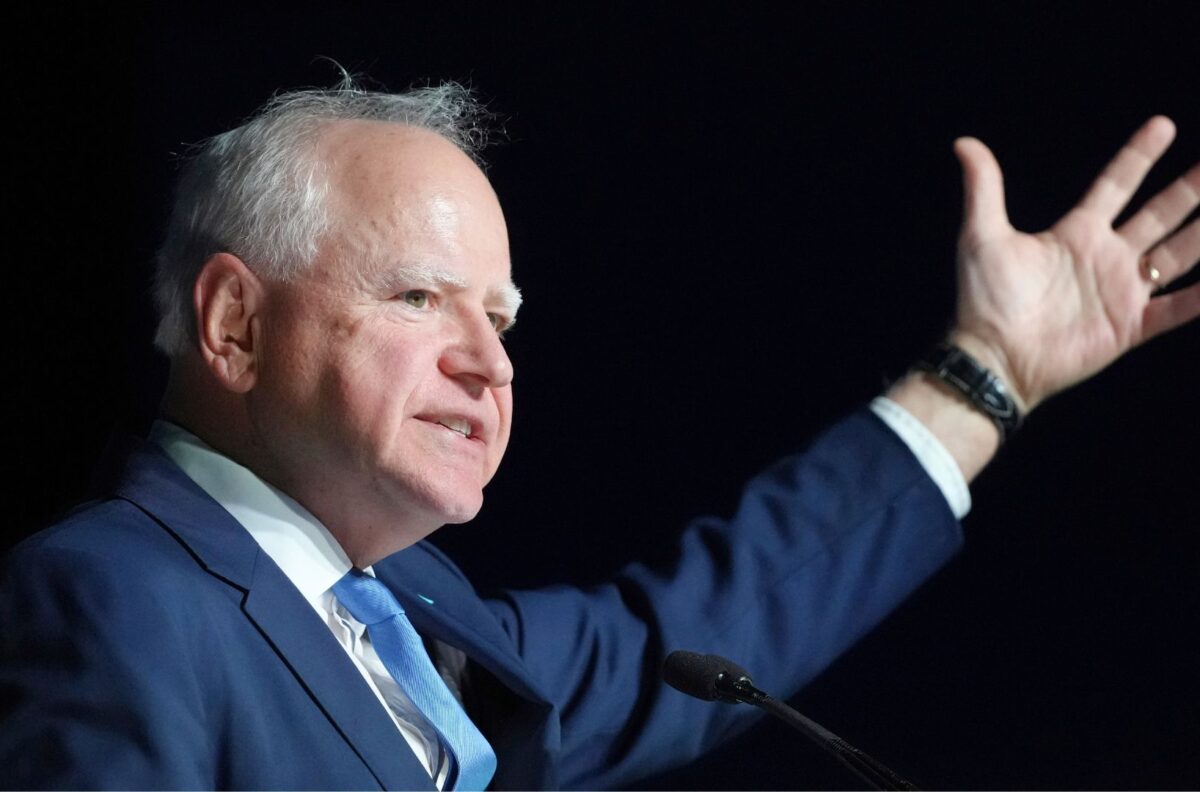
Minnesota Gov. Tim Walz speaks at the California Democratic Party’s 2025 State Convention at the Anaheim Convention Center in Anaheim, Calif., on Saturday, May, 31, 2025. Image Credit: AP Photo/Damian Dovarganes
Minnesota Governor Tim Walz has announced he will not seek reelection, ending his bid for a historic third term as mounting controversy over alleged fraud in state social services programs intensifies. The decision, revealed Monday, marks a pivotal moment in Minnesota politics and signals a broader reckoning over accountability, public trust, and the future leadership of the state.
Walz, who rose to national prominence as the Democratic vice-presidential nominee in the 2024 election, said the expanding scandal had made it impossible to balance governing with campaigning. His announcement comes as federal and state investigations continue into alleged misuse of child care and other welfare funds, claims that have triggered political backlash, frozen federal funding, and congressional scrutiny.
Why Tim Walz Is Not Running for Reelection
In a written statement, Walz acknowledged that the controversy surrounding fraud investigations played a decisive role in his decision.
“Every minute I spend defending my own political interests would be a minute I can’t spend defending the people of Minnesota,” Walz said, adding that criminals and political actors were exploiting the crisis.
While Walz expressed confidence he could have won a third term, he said the demands of governing during an active investigation required his full attention. The governor has faced increasing pressure from Republican lawmakers, some of whom openly called for his resignation, arguing his administration failed to prevent systemic abuse of public funds.
The decision reflects a strategic retreat aimed at shielding the state, and his party, from prolonged political fallout.
The Fraud Scandal at the Center of the Decision
The controversy escalated after a viral online video alleged widespread fraud at Somali-run child care centers in Minnesota. Though state investigators later said the centers were operating normally, the claims sparked an aggressive federal response.
As a result:
- Federal child care funding was frozen statewide
- DHS, FBI, and HHS increased investigative activity
- Minnesota officials were ordered to submit detailed audits by a federal deadline
- Thousands of families were left uncertain about child care access
Though investigations remain ongoing and no new arrests have been announced in this phase, the political damage was immediate. Critics accused Walz’s administration of weak oversight, while supporters argued the response risked unfairly targeting immigrant communities.
READ ALSO
Why did Elise Stefanik quit the New York Governor’s race, and walk away from Congress?
Political Pressure and National Fallout
Walz’s absence from public appearances in the days following the video further fueled criticism. Congressional Republicans have since summoned Minnesota officials, including Walz and Attorney General Keith Ellison, to testify before the House Oversight Committee.
US Rep. James Comer accused state leadership of being “asleep at the wheel or complicit”, while Walz strongly rejected claims that Minnesota ignored fraud, pointing to years of audits, reforms, and law enforcement referrals.
Still, the optics of a governor seeking reelection amid frozen federal funds and national headlines proved untenable.
What Tim Walz’s Exit Means for Minnesota Politics
Walz’s withdrawal immediately reshapes the 2026 Minnesota governor’s race. According to multiple reports, Sen. Amy Klobuchar is considering a run, a move that would significantly alter the Democratic primary landscape.
For Democrats, Walz’s decision may limit prolonged damage by allowing new leadership to campaign without the scandal dominating every debate. For Republicans, the exit validates long-running criticisms of Democratic governance in Minnesota’s social services sector.
At a broader level, the move underscores how governance scandals, even unproven ones, can derail political careers, particularly in an era of viral media and rapid federal intervention.
Walz’s Legacy and the Road Ahead
Despite the controversy, Walz leaves office with a mixed but consequential legacy: expanded social programs, a national political profile, and a renewed emphasis on fraud prevention within state agencies.
“The buck stops with me,” Walz wrote, reaffirming responsibility even as he pushed back against exaggerated claims.
His departure closes a chapter that saw Minnesota thrust into the national spotlight, first for progressive governance, and now for a crisis testing public trust.
FAQ
Why is Tim Walz not running for reelection?
Tim Walz said a growing fraud scandal involving Minnesota’s social services programs made it impossible to campaign while fully governing the state.
Did Tim Walz resign as governor?
No. Walz is completing his current term but will not seek another term in office.
What fraud scandal is linked to Tim Walz’s decision?
The controversy centers on alleged misuse of child care and welfare funds, which led to federal investigations and a statewide freeze on child care funding.
Was Tim Walz forced out of the race?
Walz says the decision was voluntary, though it followed intense political pressure and public criticism.
What does this mean for Minnesota’s 2026 governor race?
Walz’s exit opens the field. Sen. Amy Klobuchar is reportedly considering a run, potentially reshaping the Democratic primary.
How does this affect Minnesota families?
Thousands of families remain uncertain about child care funding as investigations continue and federal funds remain frozen.
Does this hurt Democrats nationally?
The situation highlights vulnerabilities around oversight and accountability, but Walz’s early exit may help limit long-term political damage.
What’s next for Tim Walz?
Walz has not announced future plans but is expected to remain active in public service or national policy discussions.