

Why social media never lets you look away and what it’s doing to your mental health

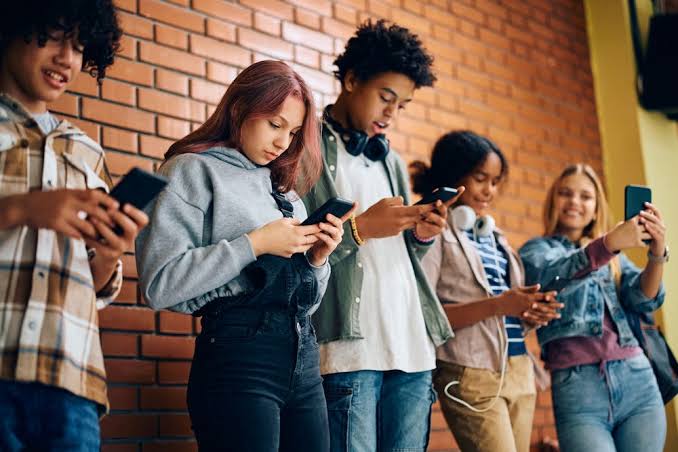
It has become more of a necessity than a choice for people to check their social media accounts regularly. As the saying goes, human beings are social creatures. We need relationships and connections with others to thrive, and the ability to connect has a significant impact on our mental health and overall happiness. However, in today’s digital age, this need for connection has taken a new form—one that is increasingly driven by anxiety rather than genuine interaction.
In my research on the impact of social media on mental health, I came across the acronym FOMO, which means Fear of Missing Out. It is becoming almost impossible for people to live without the internet. FOMO can cause individuals to pick up their phones every few minutes to check updates or compulsively respond to alerts—even at the expense of sleep, focus, or safety, such as when driving.
The fear of missing out keeps people returning to social media repeatedly, even though very few situations truly require immediate attention. FOMO convinces users otherwise. You may worry about being left out of conversations at school or work, missing the latest news or gossip, or failing to immediately like, share, or respond to posts. Others fear missing invitations or feel anxious that everyone else is living a more exciting or fulfilling life.
It is true that many people—especially young people—now spend hours on social media without a clear purpose beyond chatting or scrolling. When you are offline, it may feel as though others are constantly having fun and living better lives, especially when you are not checking in on friends and family through social platforms.
Many users share daily life experiences online, receiving likes, reactions, and comments that boost their visibility and, in some cases, support social media monetization. However, constant exposure to other people’s highlight reels can increase dissatisfaction with our own everyday lives. This comparison can lead to low self-esteem, anxiety, and a stronger urge to stay online. FOMO drives users to continually check social media so they do not miss what is happening.
How Does Social Media Affect Our Mental Health?
There is no doubt that social media contains valuable and educational content. However, its negative effects often seem to outweigh the benefits. In the race for followers and monetization, many people now post content purely for attention. Some of this includes inappropriate or misleading images and videos, which can negatively influence younger users.
The addictive nature of social media is linked to the release of dopamine—a neurotransmitter responsible for pleasure, motivation, and reward. It is often referred to as the “feel-good” hormone. When we post content and receive likes or positive reactions, dopamine is released, making us feel validated. However, when this approval is absent, it can affect our self-worth and sense of adequacy.
How Can We Improve Our Relationship With Social Media?
Below are some practical ways to reduce the negative impact of social media on mental health:
Set time limits for social media apps using your phone settings.
Unfriend or unfollow accounts that make you feel inadequate or unhappy.
Allocate specific times for social media use instead of constant access.
Find fulfillment and happiness outside social media by engaging in meaningful offline activities.
Regularly evaluate how social media affects your mood and behaviour. Reducing online presence can improve both mental and physical well-being.
Social media platforms are designed to capture your attention and keep you coming back for more—that is how they make money. It is important to ask yourself: What is driving my social media use?
Excessive social media use can create psychological cravings similar to gambling addiction or dependence on substances like nicotine or alcohol. Each like, share, or positive reaction triggers dopamine in the brain—the same chemical released when winning a game, eating sweets, or engaging in other rewarding activities. The more rewards you receive, the more time you want to spend online, even when it begins to interfere with other areas of your life.