

Why did Saks Fifth Avenue file for Bankruptcy? Inside the debt, cash crisis and failed turnaround

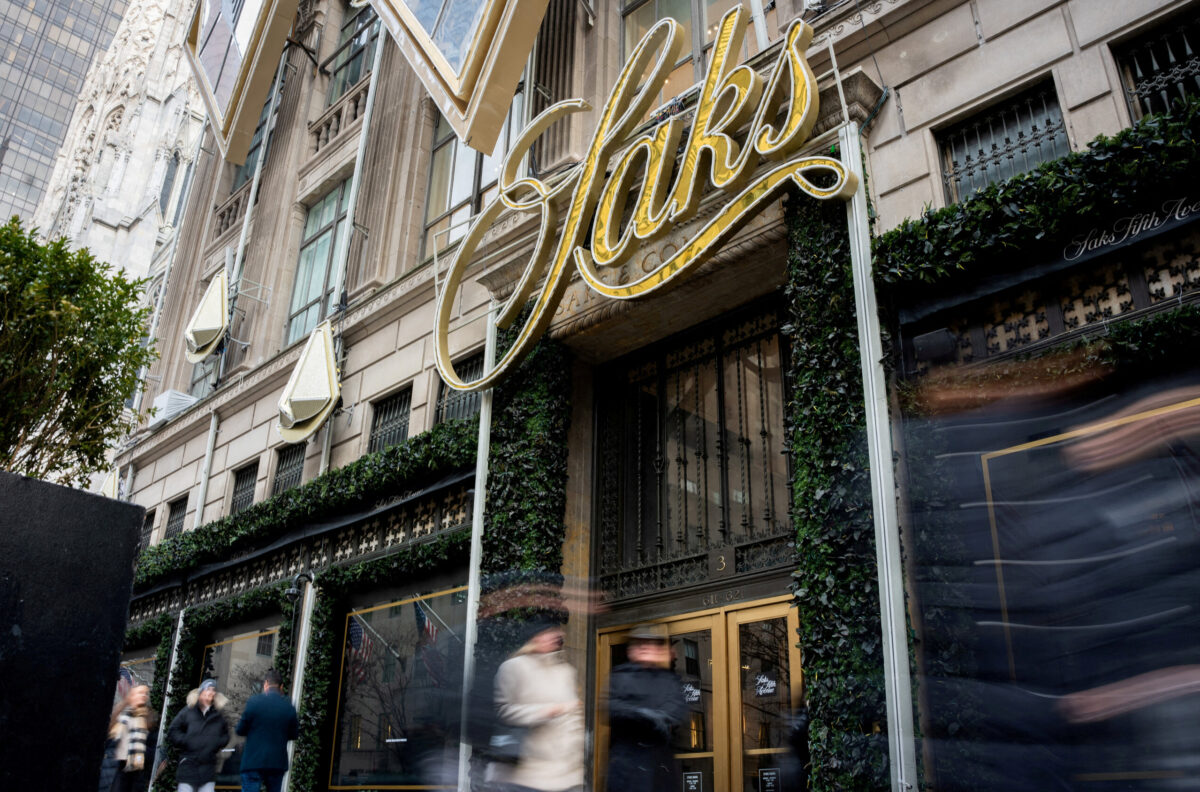
Saks Fifth Avenue in New York City was founded in 1924 as a jewel of American retail. The store stands across the street from Rockefeller Center. Image Credit: Angelina Katsanis/Reuters
Saks Fifth Avenue, one of America’s most iconic luxury department stores, has filed for Chapter 11 bankruptcy protection, marking a dramatic fall for a 159-year-old retail institution. The filing was made by Saks Global, the parent company that controls Saks Fifth Avenue, Neiman Marcus and Bergdorf Goodman, after the business ran out of cash and failed to secure sufficient investor funding.
The move allows Saks to reorganize its operations, restructure its debt and potentially sell parts, or all, of the company, rather than immediately shutting down stores.
The Real Reason: Debt From the Neiman Marcus Acquisitions
The core reason behind the bankruptcy is unsustainable debt tied to Saks Global’s $2.7 billion acquisition of Neiman Marcus in 2024.
That deal was heavily financed with borrowed money, leaving the combined business with massive interest obligations. While the merger was pitched as a way to create a luxury retail powerhouse with stronger bargaining power and improved cash flow, the expected turnaround never materialized.
Instead, Saks found itself:
- Struggling to meet interest payments
- Falling behind on vendor bills
- Burning through cash faster than anticipated
By late 2025, Saks had missed an interest payment to bondholders, a red flag that bankruptcy had become unavoidable.
READ ALSO
Spirit Airlines: What the second Chapter 11 bankruptcy filing means
Cash Flow Collapse and Vendor Breakdown
Even before acquiring Neiman Marcus, Saks was already having trouble paying suppliers on time. After the merger, the company briefly stabilized vendor payments, but soon imposed 90-day payment terms, which angered luxury brands and strained relationships.
Many vendors pulled back or reduced shipments, leading to:
- Thinner product assortments
- Lower sales
- Further pressure on cash flow
As suppliers stopped shipping goods, the retail experience suffered, creating a downward spiral that accelerated Saks’ financial collapse.
Why Investors Lost Confidence
Saks Global struggled to raise bankruptcy financing because investors doubted the company’s ability to successfully reorganize.
Its debt began trading below face value, signaling market skepticism. Although Saks secured $600 million in emergency financing and sold valuable real estate assets, those measures only delayed the inevitable.
As recently as early January 2026, Saks was scrambling to raise $1 billion in debtor-in-possession (DIP) financing. Failure to do so would have forced a Chapter 7 liquidation, which would have shut down the business entirely.
Chapter 11: What Happens Next for Saks Fifth Avenue
By filing for Chapter 11, Saks Global has bought itself time. The company confirmed it has now secured approximately $1.75 billion in financing, giving it breathing room to continue operations.
Leadership changes were also announced:
- Geoffroy van Raemdonck, former Neiman Marcus CEO, has taken over as chief executive
- Richard Baker stepped aside after just two weeks in the role
Possible outcomes include:
- A buyer acquiring the full business
- Selling individual brands like Bergdorf Goodman
- Closing stores and transitioning to online-only retail
The fate of nearly 200 stores across Saks, Neiman Marcus and Bergdorf Goodman will depend on how the bankruptcy process unfolds in the coming weeks.
A Warning Sign for Luxury Retail
Despite serving wealthy shoppers, Saks’ downfall highlights a harsh reality: luxury status does not protect retailers from debt mismanagement and weak execution. High borrowing costs, fragile vendor relationships and delayed turnaround strategies proved fatal.
Saks Fifth Avenue bankruptcy now stands as one of the largest luxury retail collapses in recent US history.
FAQ
Why did Saks Fifth Avenue file for bankruptcy?
Saks filed for bankruptcy because it ran out of cash after taking on heavy debt from its $2.7 billion acquisition of Neiman Marcus and failing to execute a successful turnaround.
Is Saks Fifth Avenue closing all its stores?
Not yet. Chapter 11 allows Saks to keep operating while it restructures. Store closures are possible but not confirmed.
What role did Neiman Marcus play in Saks’ bankruptcy?
The acquisition significantly increased Saks’ debt load, leading to missed interest payments and cash shortages.
What is Chapter 11 bankruptcy?
Chapter 11 allows a company to reorganize its debts and operations while continuing to operate, unlike Chapter 7, which involves liquidation.
Are Bergdorf Goodman and Neiman Marcus affected?
Yes. They are part of Saks Global and could be sold, restructured or spun off during the bankruptcy process.
Will Saks Fifth Avenue go online-only?
That is one possible outcome, but no final decision has been announced.
Who is running Saks now?
Former Neiman Marcus CEO Geoffroy van Raemdonck has taken over as chief executive.