

₦1,332 per litre: Petrol prices in Lagos, Abuja, Akure, other cities –full breakdown

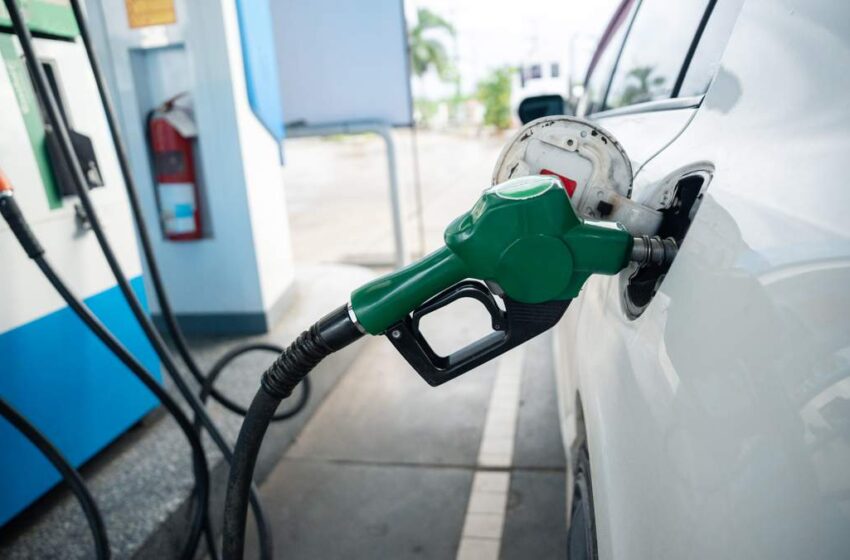
Car at a petrol station. Photo Credit- News24
Petrol prices across Nigeria have surged again, with motorists in major cities now paying up to ₦100 more per litre. The latest increase is already sending shockwaves through household budgets, transport costs, and small businesses.
From Lagos to Abuja and beyond, the reality is the same: Nigerians are paying more for fuel at a time when the cost of living is already under pressure.
But what exactly is driving this latest hike, and how could it affect everyday life?
Petrol price increase in Nigeria: What changed this week
Across several cities, petrol pump prices jumped sharply within days.
In Lagos, major stations operated by MRS Oil Nigeria raised prices from around ₦1,232 to about ₦1,332 per litre. Similarly, TotalEnergies outlets adjusted their rates to roughly the same range.
Stations linked to Nigerian National Petroleum Company Limited also implemented similar increases, reflecting a broader market-wide adjustment.
In Abuja, petrol prices climbed even higher, reaching between ₦1,361 and ₦1,370 per litre in some locations.
Other states have not been spared. In cities like Akure and Kaduna, prices now hover around ₦1,340 to ₦1,370 per litre, while parts of Ogun State are seeing prices above ₦1,350.
Why petrol prices are rising in Nigeria
The current spike in petrol prices is not happening in isolation. It is largely tied to global oil market disruptions.
At the centre of the issue is rising geopolitical tension, particularly involving the United States and Iran. The conflict has heightened risks around key oil shipping routes such as the Strait of Hormuz and the Suez Canal — two critical channels for global crude supply.
As uncertainty grows, crude oil prices have surged, crossing $114 per barrel — their highest level in nearly two years. For a country like Nigeria that still relies heavily on imported refined fuel, this directly translates into higher pump prices.
How global oil prices affect local fuel costs
Nigeria’s petrol pricing is closely linked to international crude oil prices and exchange rates.
When crude prices rise globally:
- Import costs increase
- Shipping and insurance costs go up
- Landing cost of petrol becomes higher
These costs are eventually passed on to consumers at the pump.
Even with local refining efforts, such as those by Dangote Petroleum Refinery, the market is still influenced by global benchmarks.
Impact of petrol price hike on Nigerians
The effects of rising petrol prices are already being felt across the country.
Transport costs are increasing
Commuters in major cities are reporting sharp increases in transport fares, with some routes seeing prices double in recent weeks.
Food prices may rise
Higher fuel costs mean more expensive logistics. This often leads to increased food prices, as goods become costlier to transport from farms to markets.
Small businesses under pressure
From generators to logistics, many small businesses depend heavily on petrol. Rising costs could reduce profit margins or force price increases for goods and services.
Inflation concerns: What experts are saying
Economists warn that sustained increases in petrol prices could worsen inflation.
Nigeria is already battling rising living costs, and fuel is a key driver of inflation. When petrol prices increase:
- Transportation becomes more expensive
- Production costs rise
- Overall consumer prices go up
This creates a ripple effect across the economy, making everyday life more expensive for millions of Nigerians.
Role of Dangote Refinery in stabilising fuel supply
The Dangote Petroleum Refinery has begun exporting refined petroleum products to several African countries, signalling increased production capacity.
While this is a positive development, analysts say it may take time before Nigerians fully feel the impact in terms of lower prices, especially as global market forces remain volatile.
What to expect next
Petrol prices in Nigeria are likely to remain unstable in the short term, especially if global oil tensions persist.
Much will depend on:
- Developments in the Middle East
- Stability of global supply chains
- Exchange rate movements
- Local refining capacity
For now, Nigerians may need to brace for continued price fluctuations.
FAQ: Petrol Price Increase in Nigeria
Why did petrol prices increase in Nigeria?
Petrol prices rose mainly due to higher global crude oil prices and supply disruptions caused by geopolitical tensions.
How much is petrol now in Nigeria?
Prices vary by location but currently range between ₦1,330 and ₦1,370 per litre in many cities.
Will petrol prices drop soon?
Prices may stabilise if global oil markets calm, but short-term volatility is expected.
How does petrol price affect food prices?
Higher fuel costs increase transportation expenses, which often leads to higher food prices.
Is Dangote Refinery reducing petrol prices?
While it is boosting supply, global oil prices still heavily influence local petrol costs.