

Who is Tom Homan? Trump’s ‘tough but fair’ border Czar sent to Minnesota after ICE killing sparks outrage

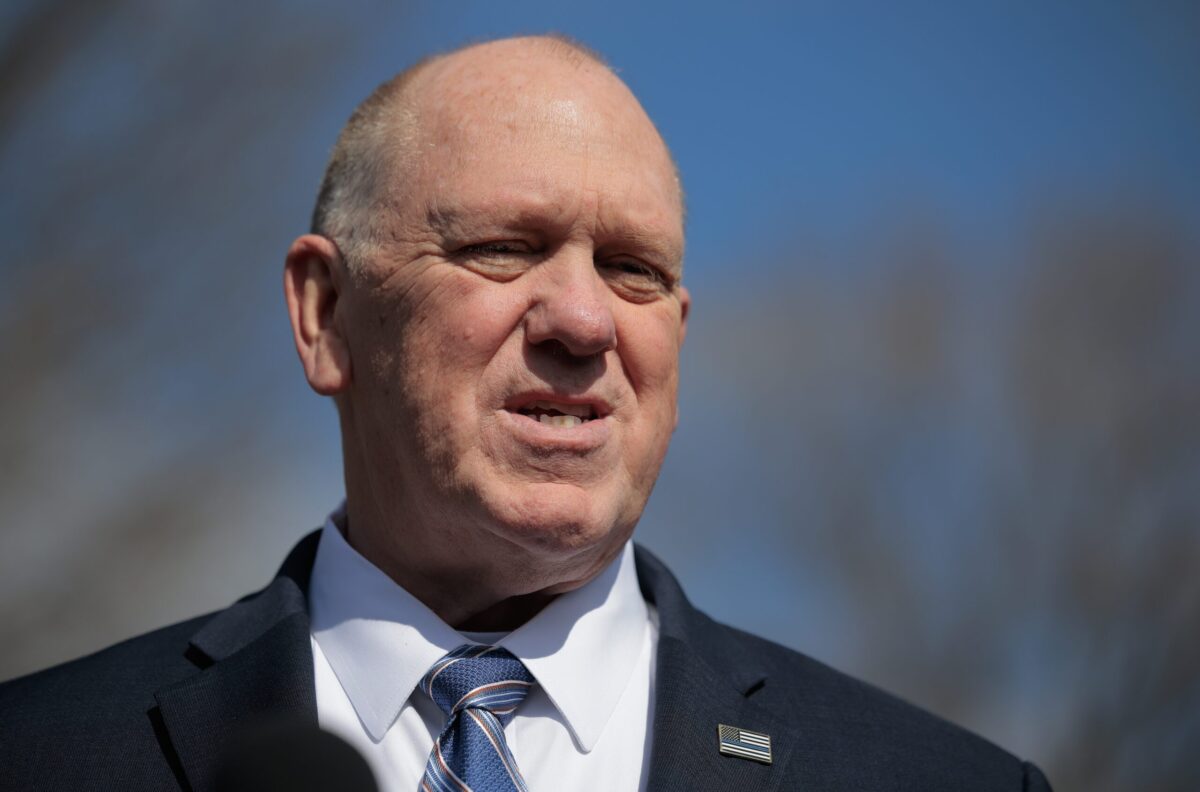
Trump border czar Tom Homan
Tom Homan, the Trump administration’s powerful border czar, has been dispatched to Minnesota to directly manage U.S. Immigration and Customs Enforcement (ICE) operations following the fatal shooting of an intensive care unit nurse, a move that has intensified national scrutiny of federal immigration enforcement.
President Donald Trump confirmed the decision on Monday, describing Homan as “tough but fair” and stating that he would report directly to the president. The deployment comes amid growing controversy after Alex Pretti, a 37-year-old ICU nurse, was shot and killed by federal agents in Minneapolis, one of two deadly encounters involving immigration officers in the city this month.
As protests mount and investigations expand, public attention has shifted to a central question: Who exactly is Tom Homan, and why does he wield so much authority?
Tom Homan’s Role in the Trump Administration
Tom Homan serves as the White House border czar, a senior role overseeing immigration enforcement strategy and execution across the United States. While not previously involved in Minnesota operations, Trump said Homan was sent in specifically to take command of ICE’s on-the-ground activities in the state.
According to the White House, Homan’s mission includes restoring operational control, coordinating with federal agencies, and ensuring alignment with the administration’s aggressive deportation agenda, which has seen thousands of federal agents deployed nationwide in recent weeks.
White House press secretary Karoline Leavitt added that Homan will also coordinate with officials investigating fraud schemes in Minnesota, further expanding his remit beyond immigration enforcement.
READ ALSO
What does the Alpha News Video really show? Inside the ICE shooting that’s rocking Minneapolis
Minneapolis man fatally shot by ICE agents as protests erupt and officials demand Federal exit
Why Minnesota Became a Flashpoint
Homan’s deployment follows two high-profile killings involving federal agents in Minneapolis within less than a mont, incidents that have sparked outrage, protests, and renewed debate over ICE tactics, training, and accountability.
On January 7, Renee Nicole Good, a 37-year-old mother of three, was fatally shot by an ICE agent after attempting to drive away when ordered out of her vehicle. Then, on January 25, Alex Pretti, a licensed gun owner and ICU nurse, was shot and killed by federal officers in daylight, in front of witnesses.
Both incidents were captured on video and circulated widely, dramatically escalating public scrutiny of federal immigration enforcement practices.
Conflicting Accounts and Video Evidence
In the case of Pretti’s killing, the Department of Homeland Security initially claimed he approached Border Patrol officers with a handgun and “violently resisted” efforts to disarm him. A senior Border Patrol official later suggested Pretti may have intended to “massacre law enforcement.”
However, video footage appears to contradict those claims, showing Pretti holding up a phone as officers approached and suggesting that a weapon was removed from his person before shots were fired.
Minneapolis Police Chief Brian O’Hara confirmed that Pretti was believed to be a lawful gun owner with a permit to carry, further fueling public concern over the use of lethal force.
Why Trump Chose Tom Homan
Trump’s decision to send Homan signals the administration’s intent to double down rather than retreat amid criticism. By placing a trusted, hardline official in direct command, the White House appears focused on maintaining control of the narrative and reinforcing its immigration strategy.
“Tom is tough but fair,” Trump wrote, underscoring Homan’s reputation as an enforcer who is willing to operate under intense political pressure.
The move also distances Homan from prior Minnesota operations, with Trump noting that the border czar had no previous involvement in the state, a detail that could prove significant as investigations continue.
What Tom Homan’s Deployment Means Going Forward
Homan’s presence in Minnesota places him squarely at the center of one of the most contentious immigration enforcement controversies of Trump’s presidency. With multiple investigations underway, mounting public protests, and viral video evidence shaping public opinion, his actions in the coming days may have national political consequences.
For supporters, Homan represents order, authority, and decisive leadership. For critics, his arrival raises fears of expanded federal enforcement with limited oversight.
Either way, Tom Homan has become a key figure in a rapidly unfolding national debate over immigration, policing, and accountability.
FAQ
Who is Tom Homan?
Tom Homan is the Trump administration’s border czar, overseeing national immigration enforcement and ICE operations.
What does a border czar do?
The border czar coordinates immigration policy, supervises enforcement agencies, and reports directly to the president on border and deportation operations.
Why was Tom Homan sent to Minnesota?
He was dispatched to manage ICE operations following the fatal shooting of ICU nurse Alex Pretti and rising scrutiny over federal agents’ actions.
Was Tom Homan involved in Minnesota before?
No. President Trump said Homan had no prior involvement in Minnesota operations before being sent there.
What happened to Alex Pretti?
Alex Pretti, a 37-year-old ICU nurse, was shot and killed by federal officers in Minneapolis. The incident was captured on video and is under investigation.
Are investigations underway?
Yes. Federal investigations are examining both the shooting and alleged fraud schemes in Minnesota, with Homan coordinating efforts.
Why is Tom Homan controversial?
He is closely associated with aggressive immigration enforcement, making him a polarizing figure amid concerns over ICE tactics and accountability.
What impact could this have nationally?
Homan’s actions in Minnesota may influence future immigration enforcement policy and public trust in federal agencies.