

When is Eid al-Fitr 2026? Moon sighting confirms possible dates as Muslims worldwide prepare for end of Ramadan

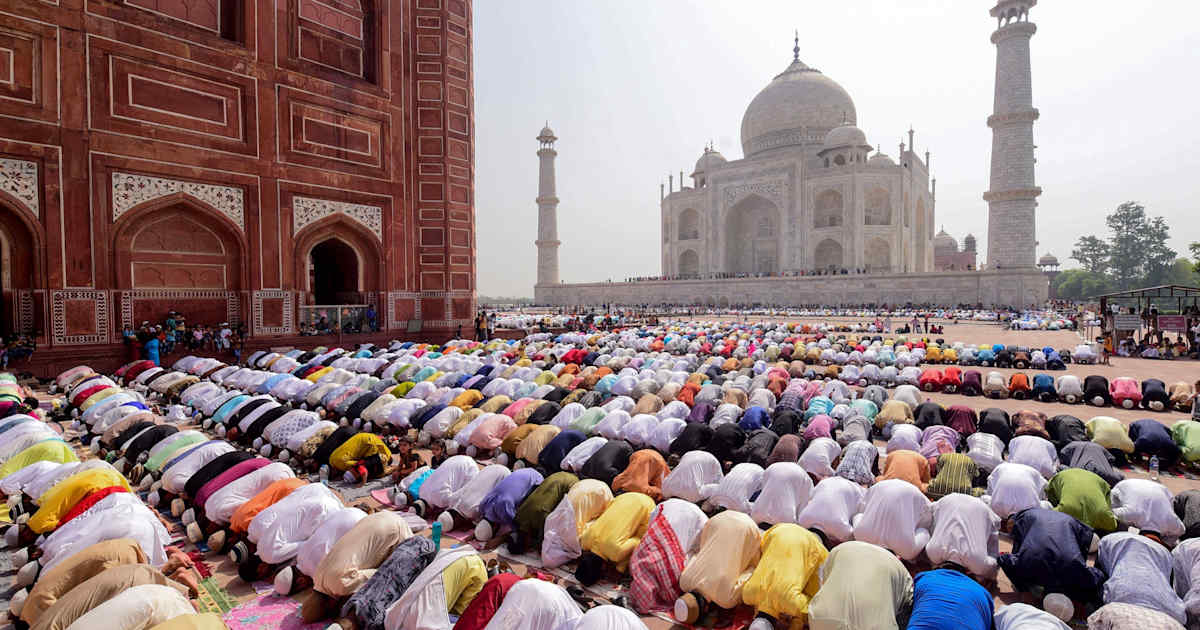
Muslims await Eid al-Fitr 2026 moon sighting to mark Ramadan’s end.
As Ramadan 2026 enters its final stretch, millions of Muslims around the world are asking the same urgent question: when is Eid al-Fitr 2026? The answer depends on one of Islam’s most significant and time-honoured traditions, the sighting of the Shawwal crescent moon.
Current reports suggest Eid al-Fitr 2026 is most likely to begin on the evening of Thursday, March 19, with celebrations starting on Friday, March 20. However, in some countries and communities that rely strictly on local moon sighting, the holiday could begin a day later, on the evening of Friday, March 20, making Saturday, March 21 the first full day of Eid.
The uncertainty is typical for the Islamic calendar, which follows lunar cycles rather than the Gregorian calendar. But with faith councils in some countries already issuing preliminary confirmations, the picture for Eid 2026 is becoming clearer.
When Is Eid al-Fitr 2026? Expected Date Based on Moon Sighting
The most widely anticipated date for Eid al-Fitr 2026 is Friday, March 20, 2026.
According to reports, Eid al-Fitr is expected to begin on the night of March 19 or March 20, depending on when the waxing crescent moon of Shawwal is sighted. Since the Islamic Hijri calendar is lunar, the start of every new month depends on the visibility of the crescent moon after sunset.
A major development came from Australia, where the Australian Fatwa Council and the Australian National Imams Council announced that Ramadan 1447 AH will conclude on Thursday, March 19, making Friday, March 20 the first day of Eid al-Fitr. Their decision was based on consultations with local and international observatories and accepted scholarly methods of moon calculation.
That said, Muslim communities in other parts of the world may still wait for local moon sighting announcements before making a final declaration.
Why Eid al-Fitr 2026 Could Be Observed on Different Dates
One reason Eid al-Fitr 2026 can vary is because Muslim countries and scholars use different moon sighting methods.
Some Islamic authorities accept astronomical calculations and global observatory data to determine the beginning of Shawwal. Others insist on physical local moon sighting within their region or country. This is why one country may celebrate Eid on March 20, while another may observe it on March 21.
This difference is not unusual and happens almost every year. Religious leaders in Australia, for example, specifically urged Muslims to respect differing scholarly opinions and maintain community unity despite possible date variations.
For workers, students, and families planning ahead, this means it is wise to prepare for either Friday, March 20 or Saturday, March 21, 2026, depending on your local mosque or national moon sighting authority.
What Marks the End of Ramadan in 2026?
Ramadan 2026 began on February 18, and it is expected to last either 29 or 30 days, depending on the moon.
The holy month ends when the new crescent moon of Shawwal is sighted. Once that moon is confirmed, Ramadan officially ends immediately, and Eid al-Fitr begins.
This transition is spiritually significant. Ramadan is a month of fasting, prayer, reflection, and charity. Eid al-Fitr then arrives as a joyful celebration of gratitude, renewal, and communal worship.
Because of this, the final nights of Ramadan are often especially intense for worshippers, with many Muslims focusing on Laylat al-Qadr, charity, and final acts of devotion before Eid.
READ ALSO
Israel-Iran war live: New casualties in Northern Israel as Tehran erupts during Al Quds day rally
What Is Eid al-Fitr and Why Is It Important?
Eid al-Fitr means “Festival of Breaking the Fast.” It is one of the two major annual Islamic holidays and is celebrated on the first day of Shawwal, the month that follows Ramadan.
The holiday marks the completion of a month of fasting from dawn to sunset. For Muslims, it is both a religious milestone and a day of joy. The day usually begins with special Eid prayers at mosques, open grounds, or community centres.
Traditionally, Muslims:
- Wake up early and prepare for Eid prayer
- Wear their best clothes and use perfume
- Recite Takbeer on the way to prayer
- Exchange greetings such as “Eid Mubarak”
- Visit family and friends
- Share sweets and festive meals
- Give gifts or Eidi to children
Unlike Ramadan, fasting is forbidden on Eid al-Fitr, making the celebration a literal and symbolic breaking of the fast.
What Is Zakat al-Fitr Before Eid 2026?
Before the Eid prayer, Muslims who are financially able are required to pay Zakat al-Fitr, a charitable donation that ensures poorer families can also celebrate the holiday.
This donation is typically made between sunset on the last day of Ramadan and before the Eid prayer the next morning. It is a key part of the Eid tradition and reflects Islam’s strong emphasis on compassion, community, and social responsibility.
Mosques and Islamic charities often collect Zakat al-Fitr in the final days of Ramadan, and many families make sure it is paid in advance to ensure timely distribution.
Global Eid al-Fitr 2026 Watch: What Muslims Should Expect
With one major Islamic authority in Australia already declaring Friday, March 20, 2026 as the first day of Eid, attention now turns to moon sighting committees across the Middle East, Africa, Asia, Europe, and North America.
Countries like Saudi Arabia, the UAE, Oman, South Africa, Nigeria, Pakistan, India, and Indonesia may each release official announcements based on their own moon sighting protocols.
For this reason, anyone asking “when is Eid al-Fitr 2026?” should follow:
- Their local mosque
- Their national moon sighting committee
- Official announcements from trusted Islamic councils
At this stage, the strongest expectation is that Eid al-Fitr 2026 will fall on Friday, March 20, but some communities may celebrate on Saturday, March 21.
When Is Eid al-Fitr 2026?
The most likely answer is this: Eid al-Fitr 2026 is expected to be celebrated on Friday, March 20, 2026, beginning after sunset on Thursday, March 19.
However, because the Islamic calendar depends on moon sighting, some Muslim communities may instead observe Eid on Saturday, March 21.
As always, the final date will depend on official local confirmation. Until then, Muslims around the world continue their Ramadan worship while preparing for one of the most joyful and spiritually meaningful days in the Islamic year.
FAQ
1. When is Eid al-Fitr 2026 expected to be?
Eid al-Fitr 2026 is expected to fall on Friday, March 20, 2026, with the holiday beginning at sunset on Thursday, March 19. However, some communities may observe Eid on Saturday, March 21 if the moon is not sighted locally.
2. Is Ramadan over in 2026?
Not yet at the time of the reports. Ramadan 2026 is expected to end on March 19 or March 20, depending on the sighting of the Shawwal crescent moon.
3. Why is the Eid al-Fitr 2026 date not the same everywhere?
The Eid date can differ by country because some Muslim communities use astronomical calculations, while others require local physical moon sighting. That can shift Eid by one day.
4. Is Eid al-Fitr 2026 confirmed?
In some places, preliminary or official religious announcements have already been made. For example, Australia has announced Friday, March 20, 2026 as the first day of Eid al-Fitr. But many countries will wait for their own moon sighting committees.
5. What is the most likely date for Eid al-Fitr 2026?
The most likely global date is Friday, March 20, 2026. This is currently the strongest projection based on moon calculations and early council announcements.
6. Could Eid al-Fitr 2026 be on March 21 instead?
Yes. If the crescent moon is not visible in some countries on March 19, those communities may complete 30 days of Ramadan and celebrate Eid on Saturday, March 21, 2026.
7. What is the Shawwal moon?
The Shawwal moon is the crescent moon that marks the beginning of Shawwal, the Islamic month after Ramadan. Its sighting officially signals the end of Ramadan and the start of Eid al-Fitr.
8. What does Eid al-Fitr mean?
Eid al-Fitr means “Festival of Breaking the Fast.” It celebrates the end of Ramadan, the holy month of fasting, prayer, and spiritual reflection.
9. What happens on Eid al-Fitr?
On Eid al-Fitr, Muslims typically:
- Attend Eid prayers
- Wear new or best clothes
- Say “Eid Mubarak”
- Visit family and friends
- Eat festive meals and sweets
- Give children Eidi (money or gifts)
- Donate to those in need
10. Is fasting allowed on Eid al-Fitr?
No. Fasting is forbidden on Eid al-Fitr. The day is specifically meant to celebrate the end of Ramadan fasting.
11. What is Zakat al-Fitr?
Zakat al-Fitr is a mandatory charitable donation paid before Eid prayer by Muslims who can afford it. It helps poorer families share in the Eid celebration.
12. When should Zakat al-Fitr be paid in 2026?
It should be paid before the Eid prayer, ideally in the final days of Ramadan. Many people pay it between the last sunset of Ramadan and early morning on Eid day.
13. When is Eid al-Fitr 2026 in Nigeria?
In Nigeria, the final date will depend on the official moon sighting announcement from the Nigerian Supreme Council for Islamic Affairs (NSCIA) or relevant religious authorities. It is most likely Friday, March 20, 2026, but could shift to Saturday, March 21.
14. When is Eid al-Fitr 2026 in South Africa?
In South Africa, the Eid date will depend on local moon sighting authorities and religious councils. Like many countries, the likely date is Friday, March 20, 2026, pending confirmation.
15. How many days is Eid al-Fitr celebrated?
Officially, Eid al-Fitr is one day on the Islamic calendar, but many Muslims celebrate it for up to three days, depending on local customs and national holidays.
16. When is Eid al-Adha 2026?
Based on current projections, Eid al-Adha 2026 is expected to begin around the evening of May 26, 2026, though this will also depend on moon sighting.