

8 Easy Ways to Improve Blood Circulation Without Intense Exercise

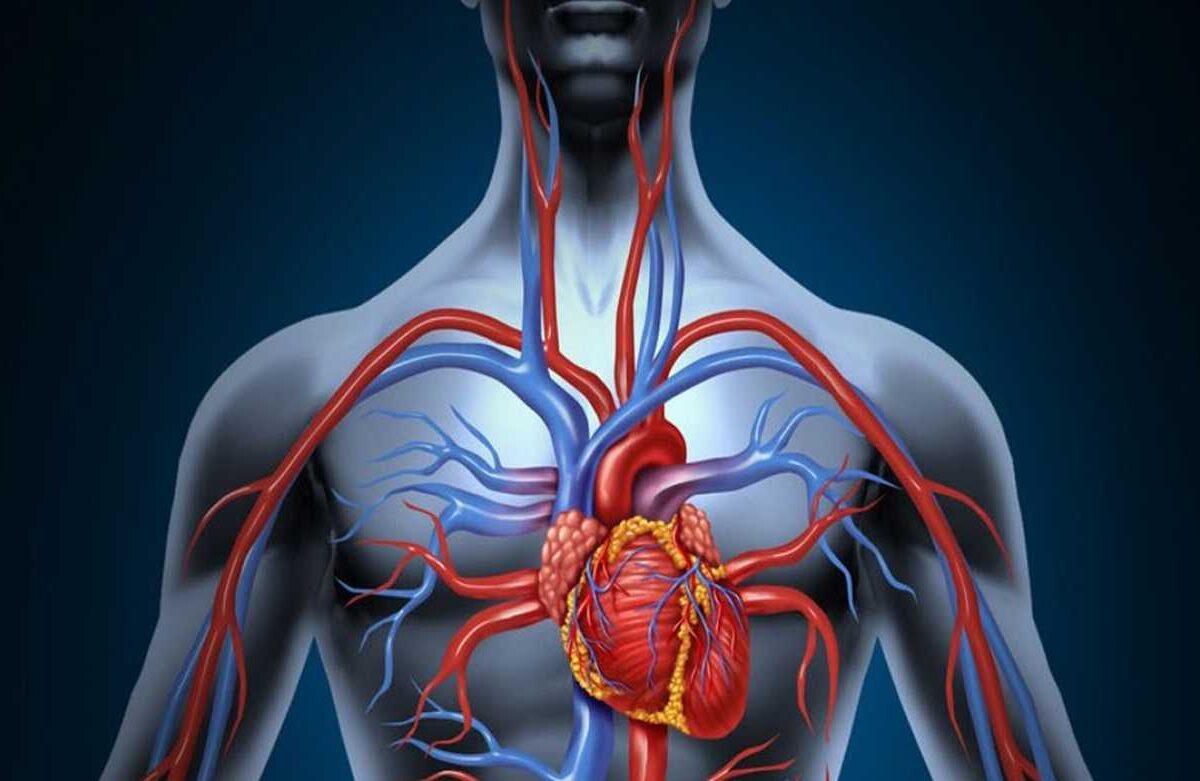
Simple daily habits can improve blood circulation naturally
Maintaining healthy blood circulation is essential for overall wellness, yet many people struggle with poor circulation due to sedentary lifestyles, stress, or underlying health conditions. While intense workouts are often recommended, health experts say there are simple, low-effort ways to improve blood flow without rigorous exercise.
Recent wellness insights highlight that incorporating small, consistent habits into daily routines can significantly enhance circulation, supporting heart health, energy levels, and cognitive function. These strategies are particularly beneficial for individuals with limited mobility or busy schedules.
Here are eight practical ways to improve circulation without intense exercise.
1. Stay Properly Hydrated Throughout the Day
Hydration plays a critical role in maintaining smooth blood flow. When the body is dehydrated, blood becomes thicker, making it harder to circulate efficiently.
Drinking adequate water helps maintain optimal blood viscosity, allowing oxygen and nutrients to reach vital organs more effectively.
2. Incorporate Gentle Movement Into Your Routine
Even without intense workouts, light movement such as walking, stretching, or standing regularly can stimulate circulation. Prolonged sitting slows blood flow, especially in the legs.
Experts recommend taking short breaks every hour to move around and keep the blood circulating efficiently.
3. Practise Deep Breathing Techniques
Deep breathing increases oxygen intake and promotes better blood circulation. Controlled breathing helps expand blood vessels and improves overall cardiovascular efficiency.
Simple breathing exercises practiced daily can enhance both circulatory and respiratory health.
4. Elevate Your Legs to Improve Blood Flow
For individuals who spend long hours sitting or standing, elevating the legs can help reduce swelling and improve circulation.
This position encourages blood to flow back toward the heart, particularly benefiting those experiencing discomfort in the lower limbs.
READ ALSO
9 Simple Gut Health Hacks Beginners Are Using in 2026 to Feel Better Fast
6 Small Changes Mental Wellness Experts Say Can Naturally Improve Your Mood Fast
5. Wear Comfortable, Non-Restrictive Clothing
Tight clothing can restrict blood flow, especially around the waist and legs. Choosing comfortable, breathable clothing helps ensure unrestricted circulation.
Compression socks, when recommended, may also support improved blood flow in specific cases.
6. Add Circulation-Boosting Foods to Your Diet
Certain foods are known to support healthy blood flow. Incorporating items rich in antioxidants, omega-3 fatty acids, and vitamins, such as fruits, vegetables, nuts, and fish, can enhance circulation.
Spices like ginger and turmeric are also associated with improved vascular function.
7. Massage and Body Relaxation Techniques
Massage therapy can stimulate blood flow by promoting movement in soft tissues. Even simple self-massage techniques can help reduce muscle tension and improve circulation.
Relaxation practices also lower stress levels, which can positively affect cardiovascular health.
8. Maintain Good Posture Throughout the Day
Poor posture can compress blood vessels and restrict circulation. Sitting or standing with proper alignment ensures that blood flows freely throughout the body.
Adjusting your workstation and being mindful of posture can have long-term benefits for circulation and overall health.
Why Improving Blood Circulation Matters
Healthy circulation ensures that oxygen and nutrients are efficiently delivered to tissues while waste products are removed. Poor blood flow can lead to symptoms such as fatigue, cold extremities, and muscle cramps.
By adopting these simple, non-strenuous habits, individuals can support better circulation without the need for intense physical activity.
FAQ
1. What are the signs of poor blood circulation?
Common signs include cold hands and feet, numbness, fatigue, swelling, and muscle cramps.
2. Can you improve blood circulation without exercise?
Yes. Simple habits like hydration, proper posture, gentle movement, and a healthy diet can significantly improve circulation.
3. What foods help improve blood circulation?
Foods rich in antioxidants and omega-3 fatty acids, such as fruits, vegetables, nuts, and fish, support healthy blood flow.
4. How does hydration affect blood circulation?
Proper hydration keeps blood at the right consistency, making it easier to circulate throughout the body.
5. Is walking enough to improve blood circulation?
Yes. Regular walking is a low-impact activity that effectively promotes blood flow and overall cardiovascular health.
6. Can poor posture affect blood circulation?
Yes. Poor posture can restrict blood vessels, reducing efficient blood flow.
7. Do massages help with blood circulation?
Massage therapy stimulates blood flow and reduces muscle tension, contributing to improved circulation.
8. How often should I move to improve blood circulation?
Experts recommend moving or stretching at least once every hour, especially during long periods of sitting.
9. Can stress affect blood circulation?
Yes. Chronic stress can constrict blood vessels and negatively impact circulation.
10. Why is good blood circulation important for health?
Good circulation ensures that oxygen and nutrients reach all parts of the body while removing waste, supporting overall health and vitality.