

Warm homes plan: How millions of UK households are getting free solar panels and heat pumps

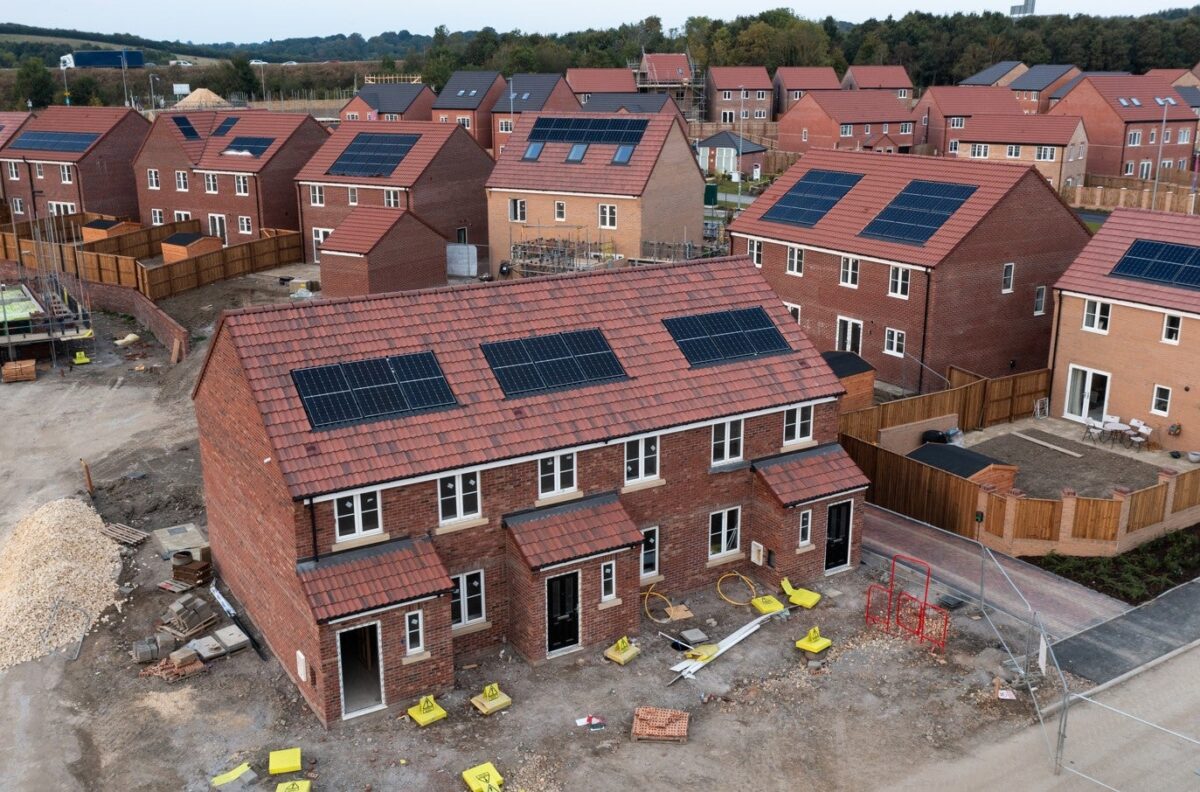
UK launches £15bn Warm Homes Plan to cut energy bills
Millions of UK households could soon benefit from free solar panels, heat pumps and home batteries as part of the government’s newly unveiled Warm Homes Plan, a £15 billion programme aimed at slashing energy bills and tackling fuel poverty.
The long-awaited scheme, published this week, represents one of the biggest public investments ever made in home energy efficiency and green technology, with ministers promising lower bills, warmer homes and reduced reliance on fossil fuels.
What Is the Warm Homes Plan?
The Warm Homes Plan is a nationwide government programme designed to upgrade British homes with clean energy technology and insulation over the next five years.
Led by the Department for Energy Security and Net Zero (DESNZ), the plan combines grants, free upgrades for low-income households, and low or zero-interest loans to accelerate the rollout of solar panels, heat pumps and batteries across the UK.
Ministers say the programme will:
- Cut household energy bills
- Reduce carbon emissions
- Lift up to one million people out of fuel poverty
- Triple the number of UK homes with solar panels
Who Will Get Free Solar Panels and Heat Pumps?
Under the Warm Homes Plan, low-income and fuel-poor households will be eligible for fully funded upgrades, meaning they will not have to repay the cost.
DESNZ says these upgrades could include:
- Solar panels and home batteries
- Heat pumps
- Insulation and draught-proofing
- Smart energy controls
In some cases, families could receive up to £12,000 worth of green technology, fully paid for by the government. Entire streets of social housing may also be upgraded at once to maximise efficiency.
READ ALSO
Low and Zero-Interest Loans for Other Households
Homeowners who are able to pay but need support will have access to government-backed low and zero-interest loans.
These loans can be used to install:
- Solar panels
- Heat pumps
- Heat and home batteries
The scheme sits alongside the £7,500 Boiler Upgrade Scheme grant, which has been extended to 2029/30 for households replacing gas boilers with air-source heat pumps.
According to government estimates, an average three-bedroom semi-detached home installing solar panels, a heat pump and a battery could save around £500 a year on energy bills, with some experts suggesting savings could exceed £1,000 annually.
£15bn Investment and ‘Rooftop Revolution’
The government has committed £15 billion of public funding to deliver the plan, describing it as a “rooftop revolution” for clean power.
Prime Minister Sir Keir Starmer said a warm home should be a basic right, not a luxury, while Energy Secretary Ed Miliband called fuel poverty a national scandal that must be confronted head-on.
Ministers also say the programme will support up to 180,000 jobs in the clean heating and renewable energy sector through new roles and retraining.
New Protections for Renters
The Warm Homes Plan also strengthens renters’ rights, targeting cold, damp and mouldy homes.
From 2030, landlords will be required to ensure rental properties meet a minimum EPC C energy efficiency rating, up from the current E rating. The government has confirmed changes to EPC assessment rules are coming to ensure homes are judged on true energy efficiency, not estimated running costs.
Officials estimate 1.6 million children currently live in private rented homes affected by cold, damp or mould.
Criticism and Concerns Over Costs
While energy companies, unions and green groups have welcomed the plan, critics have raised concerns.
Opposition figures argue that high electricity prices could leave some households facing ongoing running costs, even after upgrades. Others have questioned the reliance on imported solar panels, particularly from China.
The government has responded by saying it is working to diversify supply chains and reform electricity pricing to ensure long-term savings.
FAQ
What is the Warm Homes Plan?
The Warm Homes Plan is a £15bn UK government scheme providing grants, free upgrades and low-interest loans for solar panels, heat pumps and insulation.
Who qualifies for free upgrades under the Warm Homes Plan?
Low-income households, fuel-poor families and some social housing tenants can receive fully funded installations at no cost.
Can homeowners apply if they are not low income?
Yes. Other households can access government-backed low or zero-interest loans and existing heat pump grants.
How much could households save on energy bills?
Government estimates suggest savings of around £500 per year, with some experts estimating savings of over £1,000 annually.
Are renters included in the Warm Homes Plan?
Renters will benefit through stronger energy efficiency rules for landlords and upgraded standards for rental homes.
Does the plan include insulation?
Yes. Insulation and draught-proofing are included, especially for low-income households, though the focus has shifted more towards green technology.
When will the Warm Homes Plan start?
Some elements are already active, but new funding streams will be rolled out following further engagement with lenders and industry in 2026.
Is the Warm Homes Plan a grant or a loan?
It is both. Low-income households receive grants and free upgrades, while others access low or zero-interest loans.
Will solar panels be required on new homes?
Yes. Under the Future Homes Standard, new homes will include solar panels, high energy efficiency and low-carbon heating by default.