

Ward Development Committees: Inside Niger State’s BHCPF ‘Community Trust’ Experiment

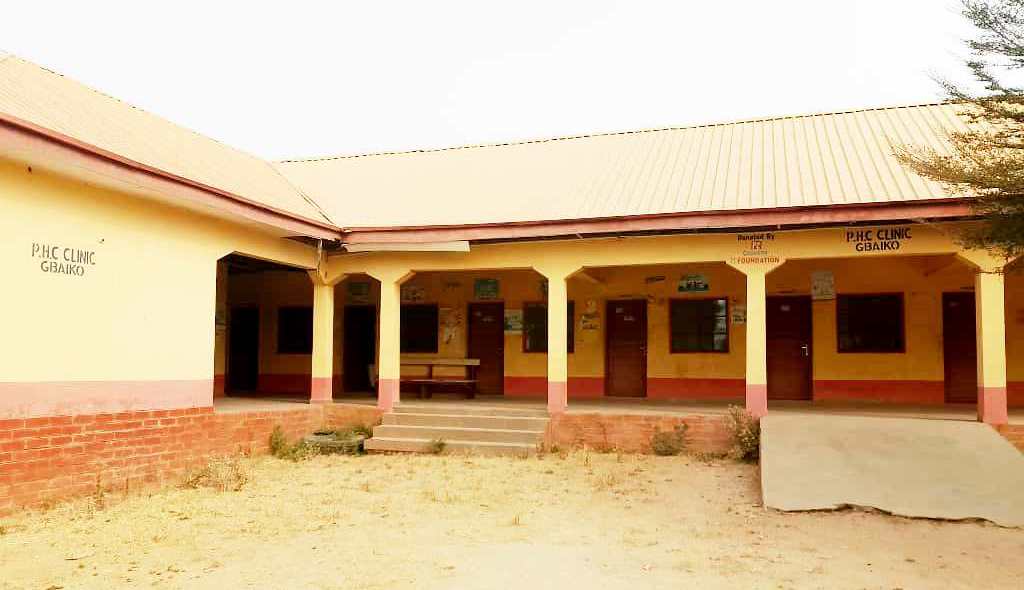
Gbaiko PHC in Bosso LGA before the WDC’s intervention. Once closed midday, it now operates 24/7 thanks to community oversight. (Credit: Anibe Idajili)
By Anibe Idajili
Standing under a tree in Gbaiko, a community in Bosso Local Government Area (LGA) of Niger State, Christy recalls walking to her local Primary Healthcare Centre (PHC) last year, only to find its doors shut by noon. But she did not stay silent. She knocked on the door of Amos Matthew Nakura, her community head and chairman of the Bosso Central 1 Ward Development Committee (WDC). Within an hour, the clinic reopened. By the next week, nurses were assigned to day, evening, and night shifts.
“That small action changed everything,” she says. “Now, someone is always there when we need healthcare services.”
The WDCs, part of Nigeria’s Basic Health Care Provision Fund (BHCPF), are the closest thing rural communities have to a healthcare watchdog. Comprising women, youth, elders, and traditional leaders, these volunteer committees hold monthly meetings to track staff attendance, monitor the use of funds, and respond to community needs.
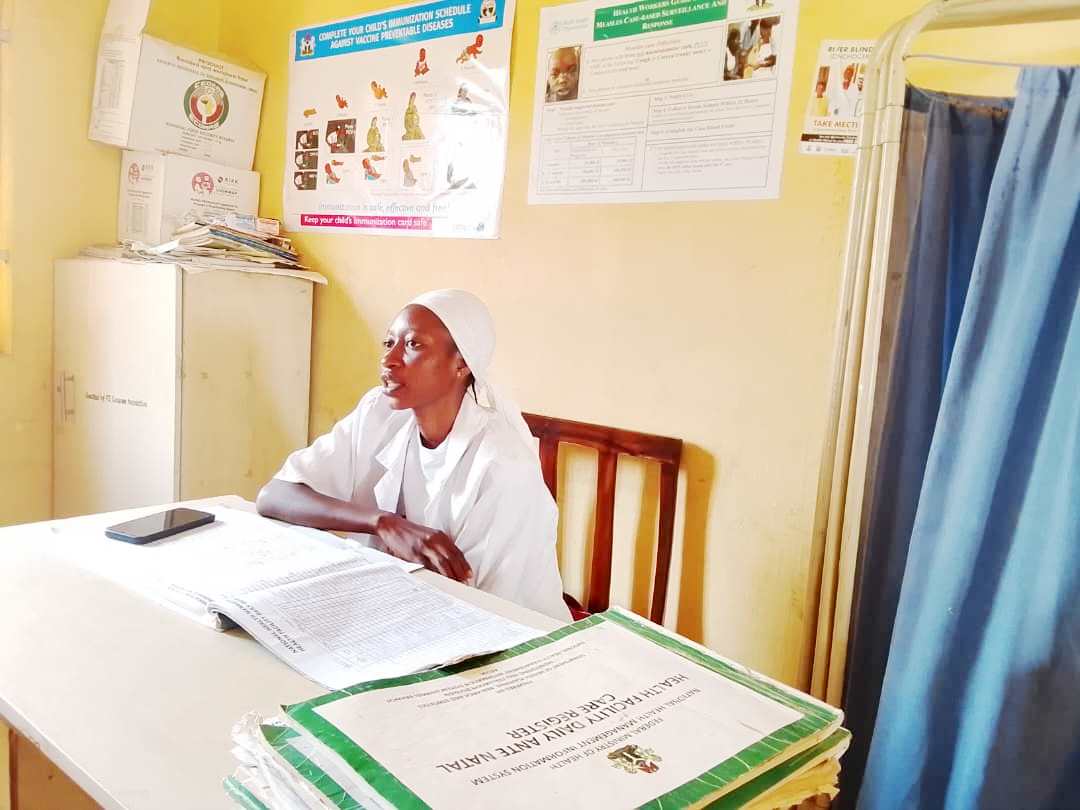
In many LGAs across Niger State, WDCs have revitalized under-resourced primary healthcare centres (PHCs), though the scale of impact varies. For instance, in Bosso LGA, the Gbaiko PHC transitioned from a half-day operation to 24/7 services after the local WDC pushed for staff rotations, a change corroborated by PHC’s nurse, Charity Amos.
“The committee’s monthly inspections led to the PHC prioritising all shifts. Patients now get care even at night,” she stated.
Designed for Empowerment: A Structural Analysis
In assessing the performance of WDCs across Niger State, data gathered from 14 interviews and four on-site field visits in four LGAs, Bosso, Chanchaga, Kontagora, and Mokwa, were analysed. Findings reveal both similarities and disparities in how effectively these committees operate and influence primary healthcare delivery.
In Bosso LGA, community pressure led to the implementation of 24-hour shifts at Gbaiko PHC, resulting in an increase in staff presence within six months. This improvement highlights the potential impact of responsive, community-driven governance.
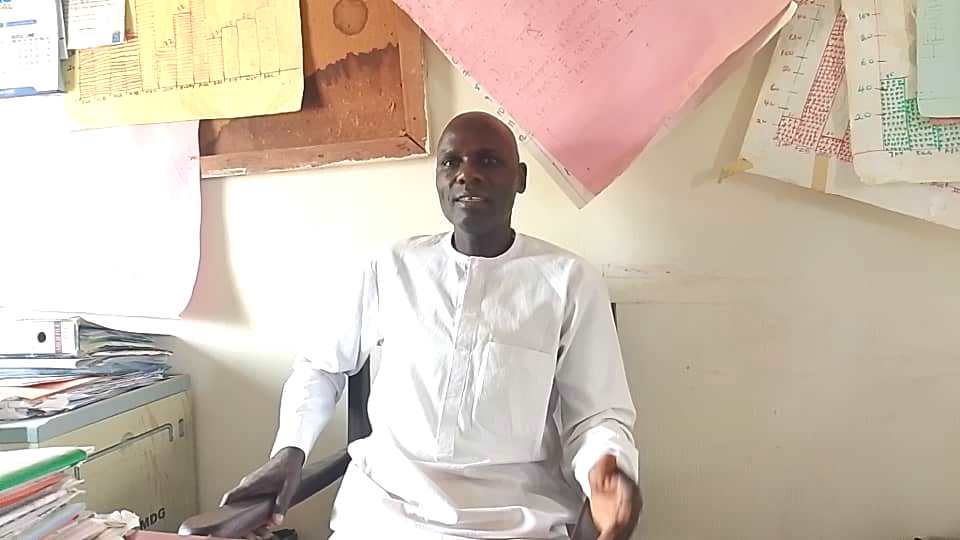
“Mothers couldn’t reach the PHC at night. So, we organized a meeting with the Bosso LGA and called Dr. Hauwa Kolo of the National Primary Health Care Development Agency (NPHCDA),” says Nakura, the Bosso Central 1 WDC Chairman.
“We presented our findings from regular facility checks, and Dr. Kolo liaised with the LGA to rotate staff shifts.”
Similarly, the Senator (Dr.) Idris Ibrahim Kuta Memorial PHC in Chanchaga LGA consistently maintained drug supplies through WDC monitoring, demonstrating how active oversight can prevent service gaps.
“Before the WDC’s involvement, we used to spend months waiting for supplies,” says Assistant Nurse-in-Charge, Dauda Mande. “Now, the committee tracks drug shortages and pushes for LGA and community members’ intervention. Patients’ trust in the clinic has grown.”
However, the situation in Mokwa presents a gap where the lack of funding has stalled capacity-building plans by the LGA for WDC members. According to Usman Usman, a Data Officer at Mokwa LGA Office, planned WDC capacity-building sessions were put on hold because of paucity of funds.
“We know there is a capacity gap within the committees, but the office cannot fund any training at the moment.”
In Magajiya Ward (Kontagora) and Gbaiko Ward (Bosso), WDCs led repairs of boreholes, improved sanitation, and secured local government support for clinic upgrades. Health workers in both PHCs reported faster resolution of facility issues.
“Our WDC in Magajiya is active, and so problems are solved faster,” notes a health worker in Ubandoma PHC.
“I believe these differences in performance are a reflection of a system where success depends more on individual initiative and local goodwill than institutional support. There is an urgent need for tailored training, funding, and accountability to ensure WDCs fulfill their promise as pillars of community health,” says Kenneth Nnaji, a Program Officer at Physicians for Social Justice.
The Human Face of Transformation
WDCs are designed to be the link between residents and their PHCs, and where they succeed, their work is often visible.
Mairo Abdullahi, the Nurse-in-Charge and Focal Person at Central PHC, Kontagora, shared her experience.
“The WDC members visited our facility last month to monitor our work and ensure that community members receive the best healthcare. When there is a problem, we usually sit together to decide the best solution. It is about partnership.”
This collaborative spirit is seen in Gbaiko, Bosso Central 1 Ward. Amos Matthew Nakura, the WDC Chairman, recalls how his team overcame the initial friction between the committee and the health facility.
“We had a meeting to decide the standard we wanted our PHCs to attain,” he stated. The committee now works with the PHC to enforce shift schedules and resolve drug shortages.
Charity Amos, a nurse at the Gbaiko PHC, credits the WDC with improving staff morale.
“Before, we were exhausted. But the WDC fought for us. Now, nurses work different shifts, and we feel valued.”
This chain reaction of active community engagement is seen in Chanchaga’s Senator (Dr.) Idris Ibrahim Kuta Memorial PHC. Assistant-in-Charge Dauda Mande recounts how a routine WDC visit uncovered a broken borehole, and a potential water shortage crisis was averted within days.
“The committee filed a complaint with the Niger State Community Social Development Agency (NG-CSDA),” he says, “and they responded swiftly to fix it.” The NG-CSDA is a state body focused on empowering communities through education, health, and water projects, using the World Bank-supported Community-Driven Development (CDD) approach.
In Ubandoma PHC in Magajiya Ward, Hajiya Laratu Yusuf, Nurse-in-Charge, said that WDC monthly visits are consistent, “the last time was December 2025.” She also acknowledges that “When parents refuse polio immunization for their children, the committee intervenes. They are very helpful.”
The committees sometimes step up to fill the gaps left by bureaucracy. Alh. Nuhu Gwari, the Magajiya WDC chairman, speaks proudly of community-driven PHC renovations. “Local elites have also been helpful,” noting contributions from wealthy community members.
This model of grassroots efficacy even extends to staff welfare. Mallam Ayuba Santale, Ward Chairman of Liimawa A, shared a recent success. “We had healthcare workers complaining about working overtime without proper compensation or recognition,” he explained. “We took it up with NSPHCDA, and it was quickly rectified.”
However, this model of grassroots efficacy is not replicated everywhere. The momentum in one ward can be completely slow in the next.
In Mokwa LGA, Usman Usman, a data officer representing the Director of the PHC, admitted that “there is a capacity gap within the committees.”
The promise of training also remains an unrealised hope in Kontagora LGA. Comrade Umar Madaki, the newly appointed Director of PHC at the LGA, acknowledges this fundamental weakness.
“We have not really had any training for the WDC members. It is something we are very interested in, but it all depends on whether there are no financial limitations.”
In many communities, the WDCs that are meant to voice local health concerns remain invisible to the very people they serve. In Minna, resident Monsurah Olayemi is baffled when asked about her local WDC.
“This is my first time hearing about this committee,” she admits. Her unfamiliarity is shared by others who bypass their local PHC, completely unaware of the body designed to advocate for them. In Kontagora, a semi-urban town, Usman Idris prefers the general hospital. “I have not really heard of the WDC. What do they do?”
This lack of awareness strikes at the very heart of the WDC model.
“The committee’s power is in representing the community’s voice. If community members do not know the WDC exists, who do they turn to when a PHC is not meeting their healthcare needs?” Comrade Umar Madaki asks.
Rising above Constraints
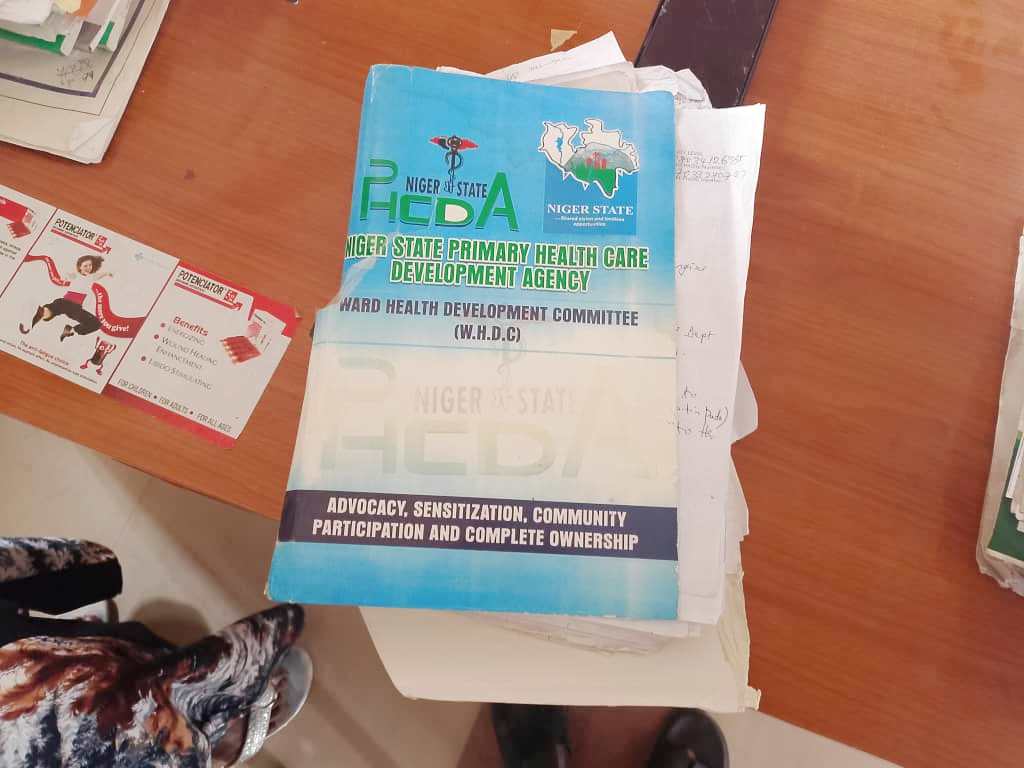
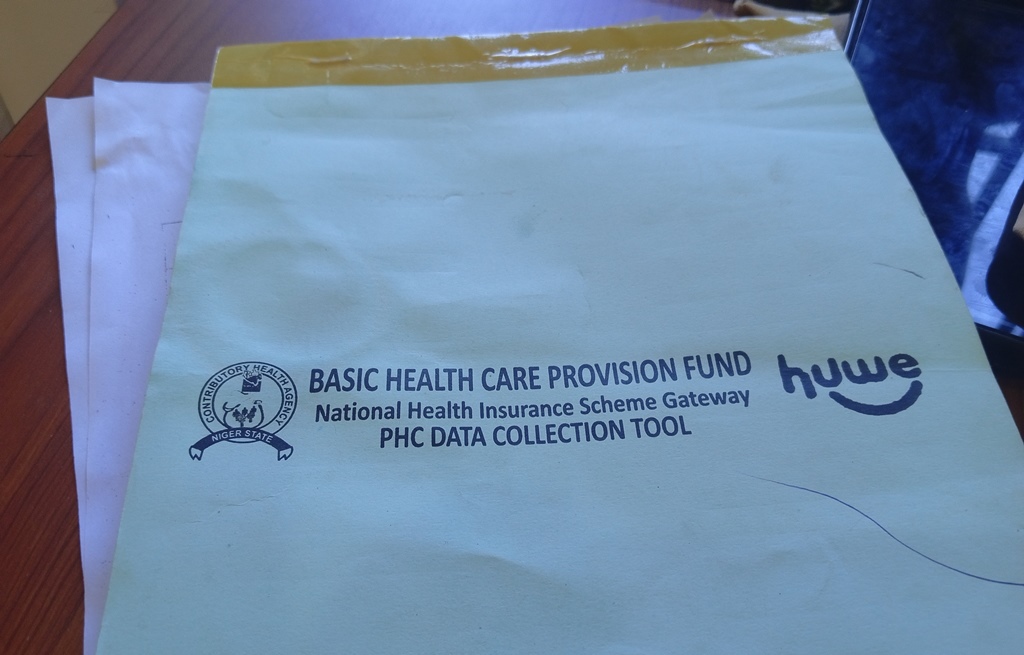
Ward Development Committees bring together PHC focal persons, traditional rulers, religious leaders, and elected community representatives. Guided by Nigeria’s Minimum Standards for Primary Health Care and the BHCPF Implementation Guideline, these committees are tasked with supervising drug distribution, spotting community health priorities, mobilising resources, and safeguarding transparency.
Their role also includes “collaboration with the PHC facility leadership in identification of and planning for health and social needs of the ward” in line with the BHCPF Implementation guideline.
In practice, however, tensions sometimes arise, highlighting gaps between policy and practice. Omolabi Adekunle, a program officer with the Community Advocacy Team of ACOMIN, recalls a dispute in Ndayako Ward of Mokwa LGA.
“A PHC needed electricity, but the committee refused to intervene because the Nurse in Charge was perceived as hostile,” he says. After a mediated resolution by the team, the power issue was finally resolved.
Similar friction in Bosso Central 1 Ward disrupted healthcare delivery, with WDC Chairman Amos Matthew Nakura noting that poor relations with former Gbaiko PHC leadership weakened service quality.
“When we tried to help, we were pushed aside,” he recalls. “It made people lose trust in the system.”
The NPHCDA’s guidelines grant real authority to Ward Development Committees to monitor PHC activities. The problem, therefore, lies not in the committees themselves but in how the rules are applied on the ground.
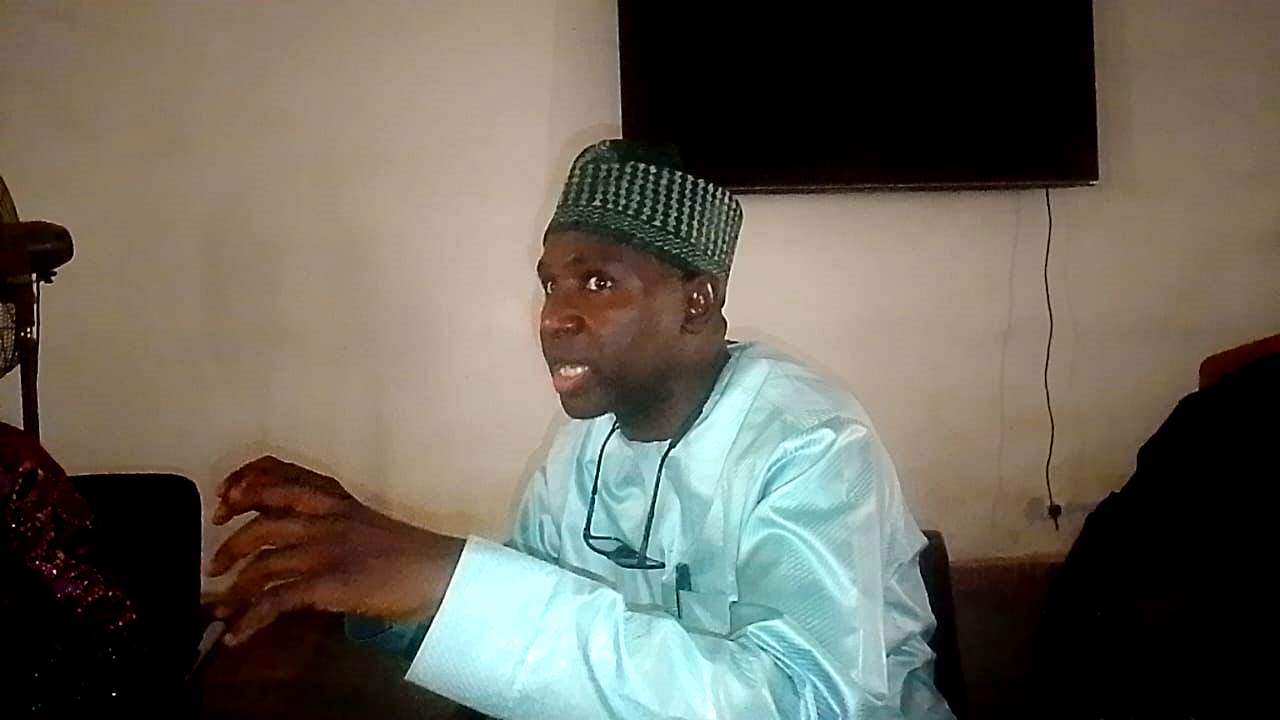
Dr. Inuwa Junaidu, Executive Director of the Niger State Primary Health Care Development Agency, explains that his office ensures accountability in fund flows.
“WDCs have the chairman and nurses-in-charge of the PHC as signatories before funds are disbursed. We provide funding to PHCs through the quarterly BHCPF, but civil society organizations like Federation of Muslim Women’s Associations in Nigeria (FOMWAN) complement our efforts. The FOMWAN helps us build the capacity of WDCs through financial training and a monitoring framework. We also make routine visits to ensure focal facilities function properly,” he says.
When WDCs falter, the agency intervenes, he sas.
“For WDCs that are not doing well, we check if members have exited due to death or relocation. For instance, Manta PHC in Shiroro LGA no longer exists because the community was displaced due to insecurity,” Dr. Junaidu notes.
“If a chairman or member passes away, we collaborate with PHCs to find someone respected, literate, and with integrity to replace them. We also have a monitoring mechanism where WDCs share monthly work reports.”
“Initially, WDC members could be anyone, even traditional rulers who sometimes imposed their will,” Dr. Junaidu admits.
“We now work with them to suggest someone who can sign and understand basic concepts. Business plans are simplified for low-literacy members. But due to paucity of funds, we train only the chairman and secretary, who then cascade the training to others.”
Conflict resolution is equally important. “If a PHC refuses to cooperate with a WDC, we activate a grievances redress committee at the LGA and state levels. I chair the state-level committee. We’ve successfully mediated disputes in Wushishi, Chanchaga, and Agaie LGAs,” Dr. Junaidu says. “A PHC cannot unilaterally decide not to work with a WDC. They must convince us why they are resisting.”
FOMWAN’s National Media Officer, Hauwa Kulu Abdullahi, also highlighted the organisation’s role in supporting WDCs.
“We provide training on budgeting, business plans, and fund disbursement. We invite WDCs to Minna for training and travel to communities for monitoring. Currently, we are developing a questionnaire for community members to evaluate PHC services,” she says.
“In February, we will invite LGA auditors to review BHCPF disbursements, as complaints exist about their limited access to audit records. We have also advocated for more women in WDCs. Now, we are seeing more meaningful female participation.”
Despite the odds, leaders like Alhaji Nuhu Gwari, WDC Chairman of Magajiya Ward, are also taking initiative to rally local support for primary healthcare (PHC) facility renovations.
“We don’t wait for government,” he says. But even then, appeals for help from wealthy community members are sometimes met with, “Go to the government.”
The Road Ahead for WDCs
The stories from Kontagora, Gbaiko, Mokwa, and Chanchaga LGAs reveal how WDCs can transform healthcare through collaboration, accountability, and community solidarity. By resolving staffing challenges and addressing infrastructural gaps, WDCs have proven their potential as important links between communities and PHCs.
To sustain progress, efforts must focus on enhancing grassroots effectiveness and eliminating bureaucratic barriers.
“When WDCs operate with trust, transparency, and inclusion, they support and transform health systems,” says Kenneth Nnaji, Program Officer at Physicians for Social Justice.
As WDCs grow in capacity, access to care improves. “When a person goes to a PHC, they should not have to knock on one door for medical care and another across the street to buy medications,” Nnaji emphasizes. “They should find both waiting and ready, because the community and government already made sure of it.”
This report was made possible with support from the International Centre for Investigative Reporting (ICIR) under the Strengthening Public Accountability for Results and Knowledge (SPARK 2.2) project.