

Is Vladimir Putin losing his grip as Peace talks and Propaganda begin to unravel?

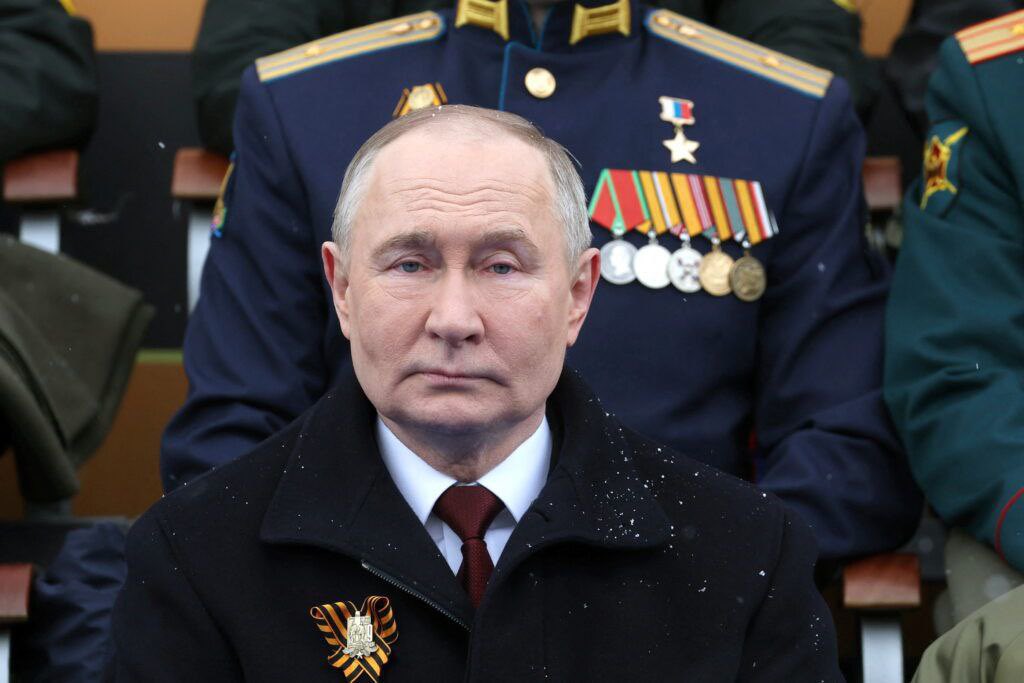
Vladimir Putin. Image Source: VladimirPutinNews/X
Vladimir Putin is facing one of the most precarious moments of his rule as international pressure mounts, peace negotiations accelerate, and the Kremlin’s long-standing propaganda machine shows visible signs of strain. Claims from U.S. President Donald Trump that a Ukraine peace agreement is “95% complete”, echoed by President Volodymyr Zelensky, have triggered sharp reactions in Moscow, reactions that Western officials now openly describe as disinformation tactics.
In recent days, the Kremlin alleged that Ukraine attempted a drone strike on one of Putin’s residences near Lake Valdai, a claim swiftly rejected by Kyiv, questioned by independent Russian media, and dismissed by European leaders as an effort to derail negotiations.
Disputed Drone Claims Raise Questions About Kremlin Credibility
Russia’s assertion that 91 drones targeted a heavily defended presidential estate has been widely met with scepticism. The EU’s top diplomat, Kaja Kallas, described the allegations as a “deliberate distraction”, warning that unfounded claims from Moscow should not be accepted while Russia continues attacks on Ukrainian civilians.
Independent Russian outlets reported that local residents near Valdai heard nothing, undermining official narratives. Even the limited evidence released by Russia, including drone fragments and maps, has not been independently verified. Ukrainian officials called the claims “laughable,” while Zelensky labelled them “typical Russian lies” aimed at breaking diplomatic momentum.
Trump, Zelensky and a Shifting Balance of Power
Behind the scenes, the diplomatic landscape appears to be shifting. U.S., Ukrainian and European officials have held intensive talks focused on security guarantees, ceasefire enforcement, and preventing renewed conflict. Trump’s advisers, alongside representatives from the UK, France and Germany, have discussed long-term NATO-style protections for Ukraine, a scenario Moscow views as a strategic defeat.
Analysts note that while any peace deal remains painful for Kyiv, potentially involving territorial concessions, the broader optics are disastrous for the Kremlin. Russia entered the war aiming for swift domination; nearly four years later, it faces military exhaustion, economic strain and diplomatic isolation.
READ ALSO
Economic Pressure Tightens Around the Kremlin
Russia’s economic outlook has grown increasingly fragile. With oil prices slipping below $60 a barrel, revenues that sustain Moscow’s war effort are shrinking. Meanwhile, Western leaders continue discussing reparations and the potential seizure of more than $200 billion in frozen Russian assets.
Control over rare earth minerals in eastern Ukraine, once a strategic goal for Moscow, is now likely to be negotiated between Kyiv and Washington instead, further weakening Russia’s post-war leverage.
Nuclear Threats Fade as NATO Resolve Hardens
Notably, the Kremlin’s routine nuclear threats have grown quieter in recent weeks. European officials believe this reflects a recognition in Moscow that nuclear brinkmanship no longer intimidates NATO capitals. Mutually Assured Destruction remains a firm deterrent, limiting Putin’s options as conventional pressure builds.
Western intelligence assessments suggest Russia’s military understands it is no match for NATO forces, even without direct U.S. involvement, a reality that weighs heavily on Kremlin decision-making.
A Fragile Moment That Could Shape 2026
For the first time in years, cautious optimism is emerging among Western officials and Ukrainians alike. Zelensky has said a peace agreement is “90% ready”, though critical details remain unresolved. European leaders are expected to make concrete security commitments in Paris, while Washington continues to apply pressure on Moscow.
Whether Vladimir Putin can withstand this convergence of military, economic and political pressure remains uncertain. But one thing is clear: the internal confidence that once sustained the Kremlin’s narrative is no longer guaranteed.
FAQ: Vladimir Putin, Peace Talks and the Ukraine War
Is Vladimir Putin losing power?
Putin remains in control, but analysts say mounting military losses, economic strain and diplomatic pressure have weakened his position.
Did Ukraine attack Putin’s residence?
Ukraine denies the claim. The alleged drone attack has not been independently verified and is widely disputed.
Why are peace talks accelerating now?
U.S.-led diplomacy, battlefield fatigue, and economic pressures on Russia have created momentum toward negotiations.
What role is Donald Trump playing?
Trump has taken a central role, pushing both Kyiv and Moscow toward a deal while increasing pressure on the Kremlin.
Is NATO planning to deploy troops to Ukraine?
Discussions include long-term security guarantees and possible troop deployments, though no final decision has been announced.
How is Russia’s economy affected?
Sanctions, falling oil prices and frozen assets are placing severe strain on Russia’s economy.
Will the Ukraine war end in 2026?
Officials express cautious optimism, but a final agreement depends on Russian participation and enforcement mechanisms.