

Why is Vladimir Putin attacking European Leaders while promising to ‘liberate historic lands’ in Ukraine?

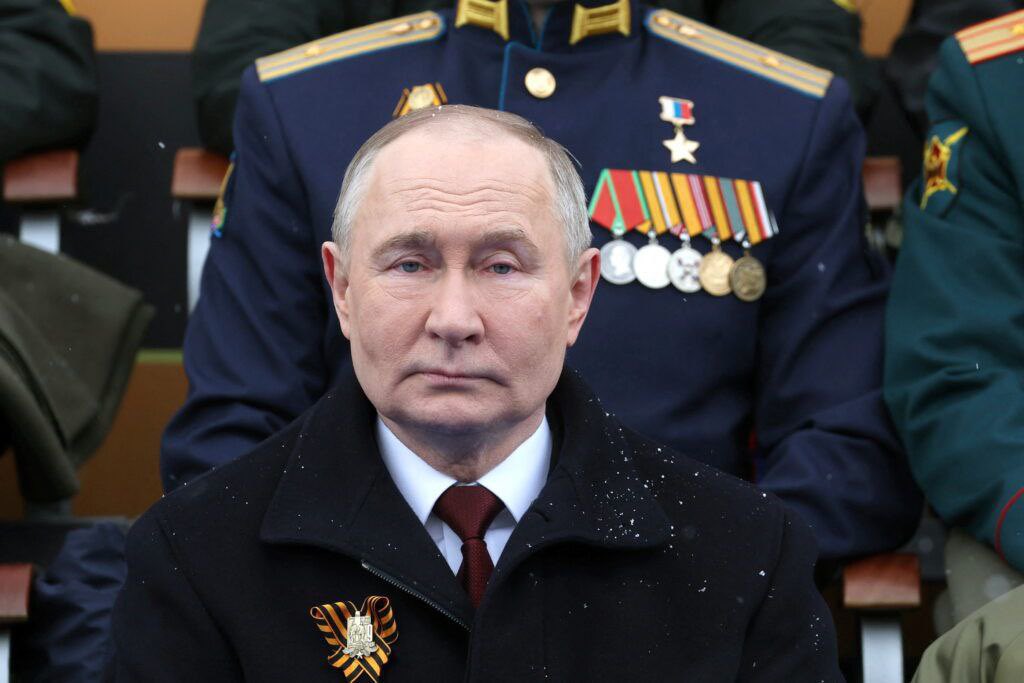
Vladimir Putin. Image Source: VladimirPutinNews/X
Russian President Vladimir Putin has reignited global alarm after delivering one of his most confrontational speeches since the invasion of Ukraine began, openly attacking European leaders while reaffirming that Russia will pursue its war objectives “unconditionally.”
Speaking during an expanded meeting of Russia’s Defence Ministry Board in Moscow, Putin accused European governments supporting Kyiv of acting against Russia’s interests and claimed they would ultimately “lose power.” His remarks, filled with inflammatory language, underscored a hardening stance that suggests no meaningful compromise is imminent in the nearly four-year war.
Putin Doubles Down on Ukraine War Goals
In language that echoed earlier Kremlin rhetoric, Putin insisted Russia would continue efforts to reclaim what he described as its “historic lands.” He made clear that Moscow remains prepared to achieve these objectives either through diplomacy or by force, warning that failure to engage on Russia’s terms would result in continued military escalation.
The Russian leader said the goals of the so-called “special military operation”, the Kremlin’s euphemism for the war, would be met without exception, signaling that territorial ambitions in eastern and southern Ukraine remain unchanged.
READ ALSO
Is the world forcing Ukraine into a peace deal it doesn’t want?
Harsh Words for Europe and the West
Putin reserved his sharpest criticism for European leaders backing Ukraine, accusing them of blindly following Washington’s lead. He claimed Western governments expected Russia to collapse quickly under sanctions and military pressure, an outcome he said had failed to materialize.
By suggesting Europe would eventually be forced into negotiations once political leadership changes, Putin positioned Russia as a long-term power prepared for prolonged confrontation, not short-term concessions.
Reaction to US Peace Efforts Under Trump
Despite his belligerent tone, Putin acknowledged ongoing diplomatic efforts led by US President Donald Trump, saying Moscow remained open to dialogue. However, analysts note that Putin’s conditions, including Ukraine surrendering remaining territory in the Donbas and accepting strict military limitations, remain non-starters for Kyiv.
Trump has claimed progress toward a ceasefire, but Ukrainian President Volodymyr Zelenskyy publicly disputed Moscow’s intentions, warning allies that Russia is instead preparing for another year of war.
Ukraine Pushes Back
Zelenskyy responded swiftly, stating that Russia’s rhetoric proves it has no genuine desire for peace. He urged Western allies, particularly the United States and Europe, to recognize what he described as Russia’s strategy of undermining diplomacy while continuing battlefield pressure.
Ukrainian officials fear Moscow is using talks as a tool to stall while consolidating territorial gains and pushing for international fatigue.
Military Momentum and ‘Buffer Zones’
Putin claimed Russian forces currently hold the strategic advantage along key frontlines and said the military would continue advancing to create “buffer zones” designed to deter Ukrainian strikes inside Russian territory.
Russia’s defence minister echoed this message, stating that maintaining and increasing the pace of territorial advances remains a top priority for the coming year.
What This Means for Europe and Global Stability
Putin’s speech comes at a critical moment as European leaders debate the use of frozen Russian assets to fund Ukraine’s defence, an issue Moscow has warned could trigger retaliation. Intelligence reports suggest growing concern over Russian intimidation efforts targeting European political and financial institutions.
With diplomacy strained and military posturing intensifying, Putin’s remarks reinforce fears that the conflict is entering a new, more volatile phase, one with significant consequences for Europe, NATO, and global security.
FAQ
What did Vladimir Putin say about Europe?
Putin accused European leaders supporting Ukraine of acting against Russia’s interests and suggested they would eventually lose political power, using highly derogatory language.
Is Russia willing to end the war in Ukraine?
Putin claims Russia is open to diplomacy, but only on terms that include Ukraine ceding territory and limiting its military—conditions Kyiv has firmly rejected.
What does Putin mean by “historic lands”?
The phrase refers to Ukrainian regions Russia attempted to annex in 2022, including parts of Donetsk, Luhansk, Zaporizhzhia, and Kherson.
Did Putin respond to US President Donald Trump’s peace efforts?
Yes. Putin said Russia was open to talks encouraged by Trump, but there is no indication Moscow is willing to compromise on its core demands.
Is Russia planning to escalate the war in 2026?
Ukrainian officials say Russia is preparing for another year of conflict, citing military orders and rhetoric that contradict Moscow’s diplomatic messaging.
What is a Russian “buffer zone”?
A buffer zone refers to territory Russia aims to control near the border to prevent Ukrainian strikes on Russian soil.
How is Ukraine reacting to Putin’s comments?
President Zelenskyy warned allies not to be misled by Russia’s diplomatic language, insisting Moscow’s true goal remains Ukraine’s destruction as an independent state.
Could Europe face consequences for supporting Ukraine?
Russia has warned of retaliation if frozen Russian assets are used to fund Ukraine, raising concerns about economic and political backlash.